Rice VS Baked Beans
A detailed nutritional comparison
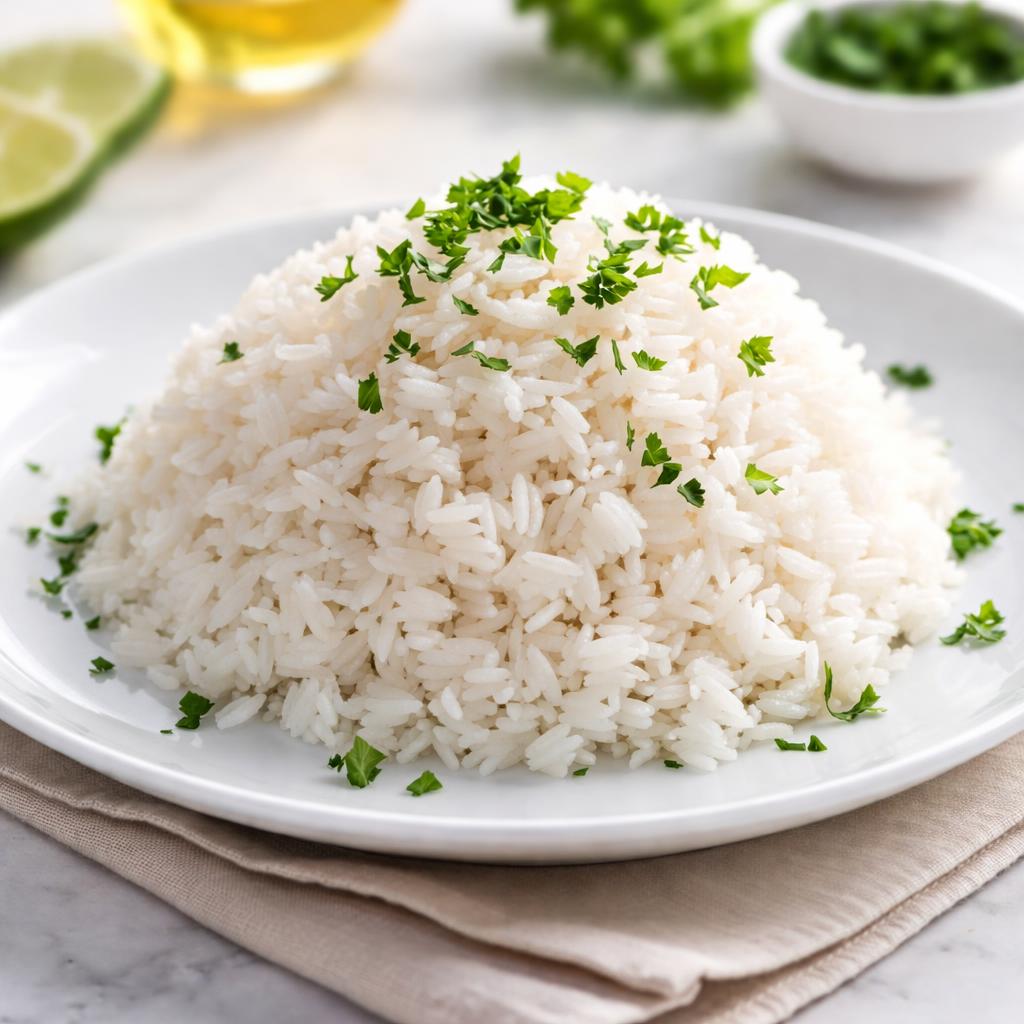
Rice
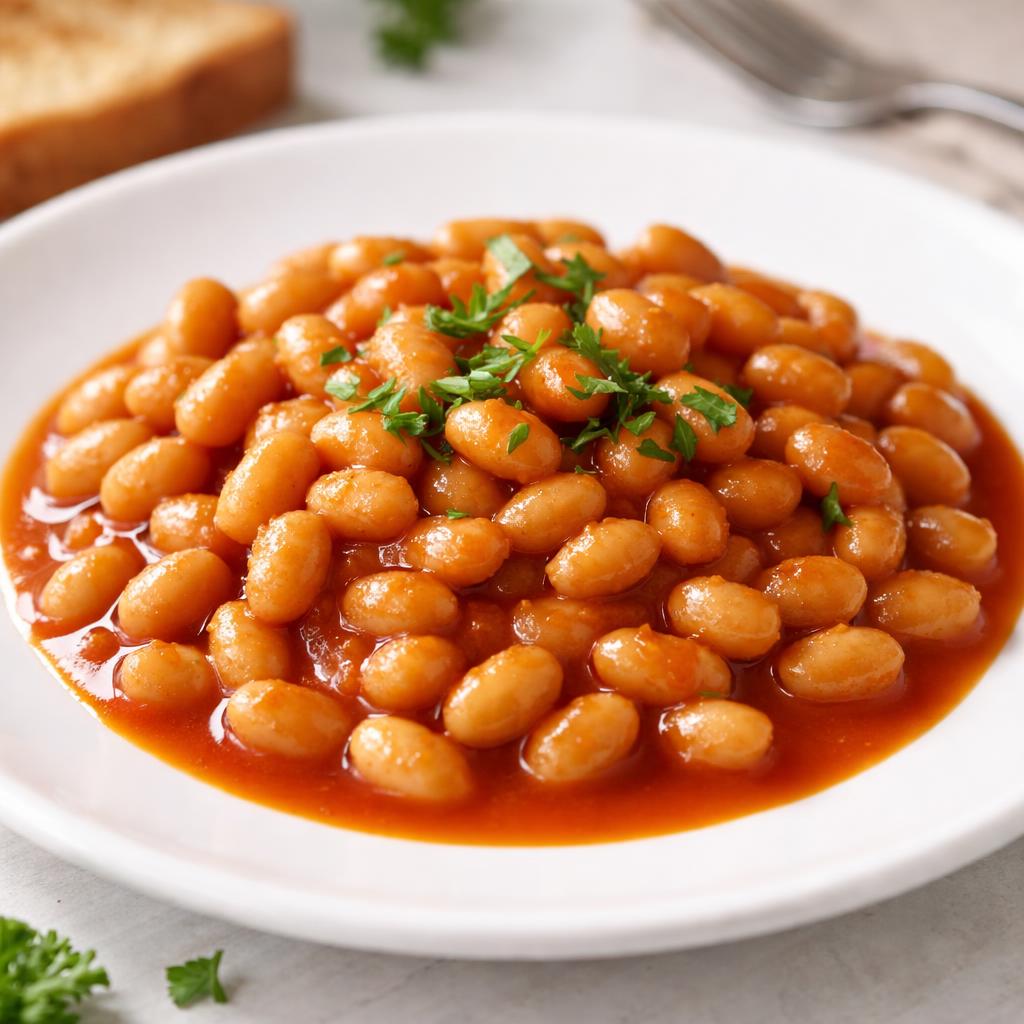
Baked Beans
🎯 Quick Verdict
Baked beans offer higher protein (5.5g vs 2.7g) and more fiber (5.5g vs 0.3g) per 100g compared to white rice. However, rice is lower in calories (130 vs 155 per 100g) and carbohydrates, making it a better option for calorie-focused diets. Each food has distinct benefits, with rice being ideal for energy needs and baked beans excelling in overall nutrient density and heart health support.

Smart Nutrition Tracking with SnapCalorie

📊 Nutritional Comparison
Macronutrients
| Nutrient | Food 1 | Food 2 | Winner |
|---|---|---|---|
| Calories | 130 | 155 | ✓ |
| Protein | 2.7g | 5.5g | ✓ |
| Carbs | 28g | 27g | ✓ |
| Fat | 0.3g | 0.6g | ✓ |
| Fiber | 0.3g | 5.5g | ✓ |
Vitamins & Minerals
| Nutrient | Food 1 | Food 2 | Winner |
|---|---|---|---|
| Vitamin D | 0mcg | 0mcg | − |
| Calcium | 10mg | 56mg | ✓ |
| Iron | 0.2mg | 1.4mg | ✓ |
🏆 Category Winners
Protein
Baked beans deliver 5.5g of protein per 100g, significantly higher than rice’s 2.7g.
Fiber
Baked beans are rich in fiber (5.5g), compared to rice’s negligible fiber content (0.3g).
Calories
Rice is 25 calories lower than baked beans per 100g.
🥗 Diet Compatibility
Keto
Food 1: Not Compatible
Food 2: Not Compatible
Both foods are high in carbs and unsuitable for keto diets.
Vegan
Food 1: Compatible
Food 2: Compatible
Both rice and baked beans are plant-based.
Gluten Free
Food 1: Compatible
Food 2: Compatible
Neither rice nor baked beans contain gluten (verify baked beans’ seasoning).
Paleo
Food 1: Not Compatible
Food 2: Not Compatible
Rice and baked beans are not considered paleo due to their agricultural origins.
Low Carb
Food 1: Not Compatible
Food 2: Not Compatible
Both foods are high-carb, with over 27g per 100g.
💪 Health Benefits Comparison
Food 1 Benefits
- Rich source of quick-digesting carbohydrates for energy
- Low in fat, ideal for calorie-conscious diets
- Provides small amounts of B vitamins important for metabolism
Food 2 Benefits
- High in dietary fiber, supporting gut health and preventing constipation
- Good source of plant-based protein for muscle maintenance
- Contains iron and calcium for bone health and oxygen transport
- Low-fat option packed with antioxidants (depending on sauce ingredients)
✅ The Bottom Line
Rice is a versatile, lower-calorie food that suits energy-focused and simple diets. Baked beans, on the other hand, shine in protein, fiber, and nutrient density, making them ideal for heart health and sustained energy. Choose rice for clean carb sources and baked beans for a nutritious, filling meal accompaniment.
Choose Food 1 for: Energy boost, calorie-controlled diets, simple meals
Choose Food 2 for: Heart health, plant-based diets, nutrient-dense meals


