Rice VS Apple Cider Vinegar
A detailed nutritional comparison
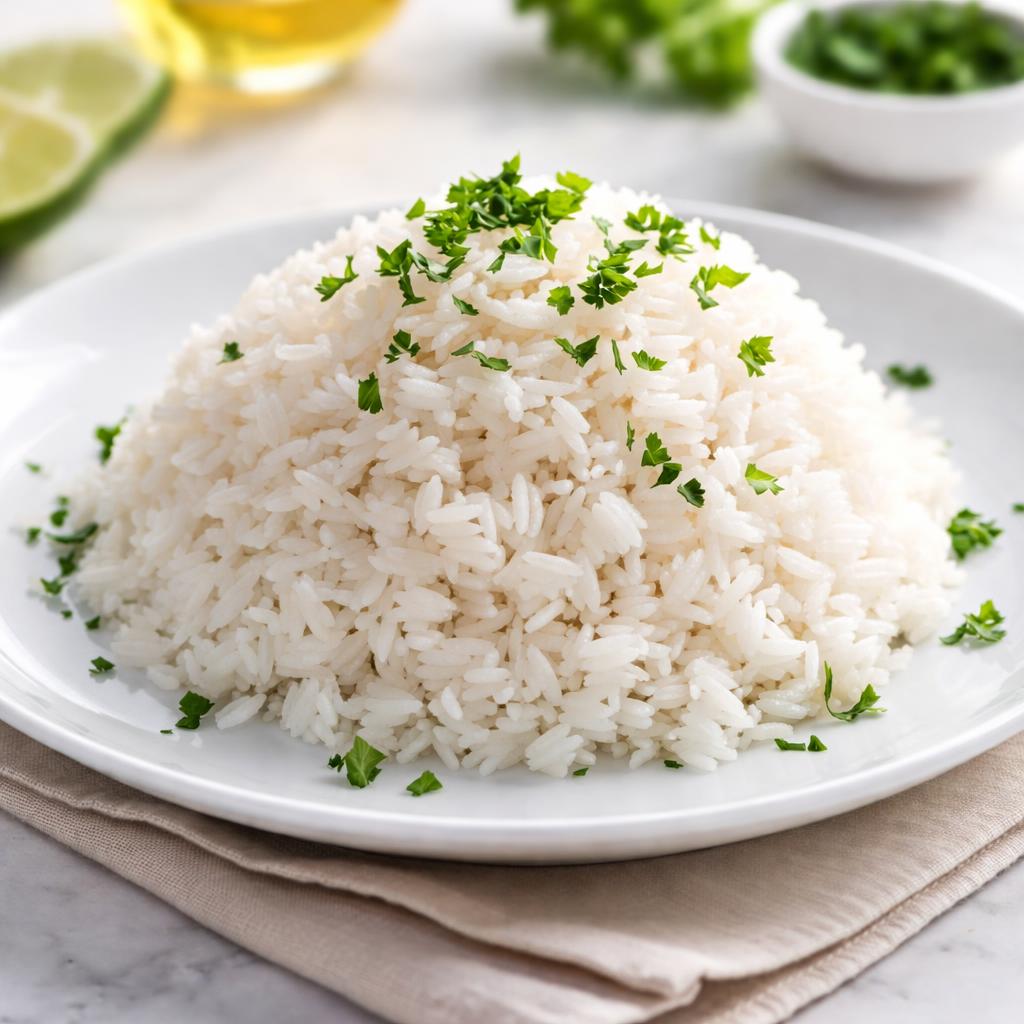
Rice
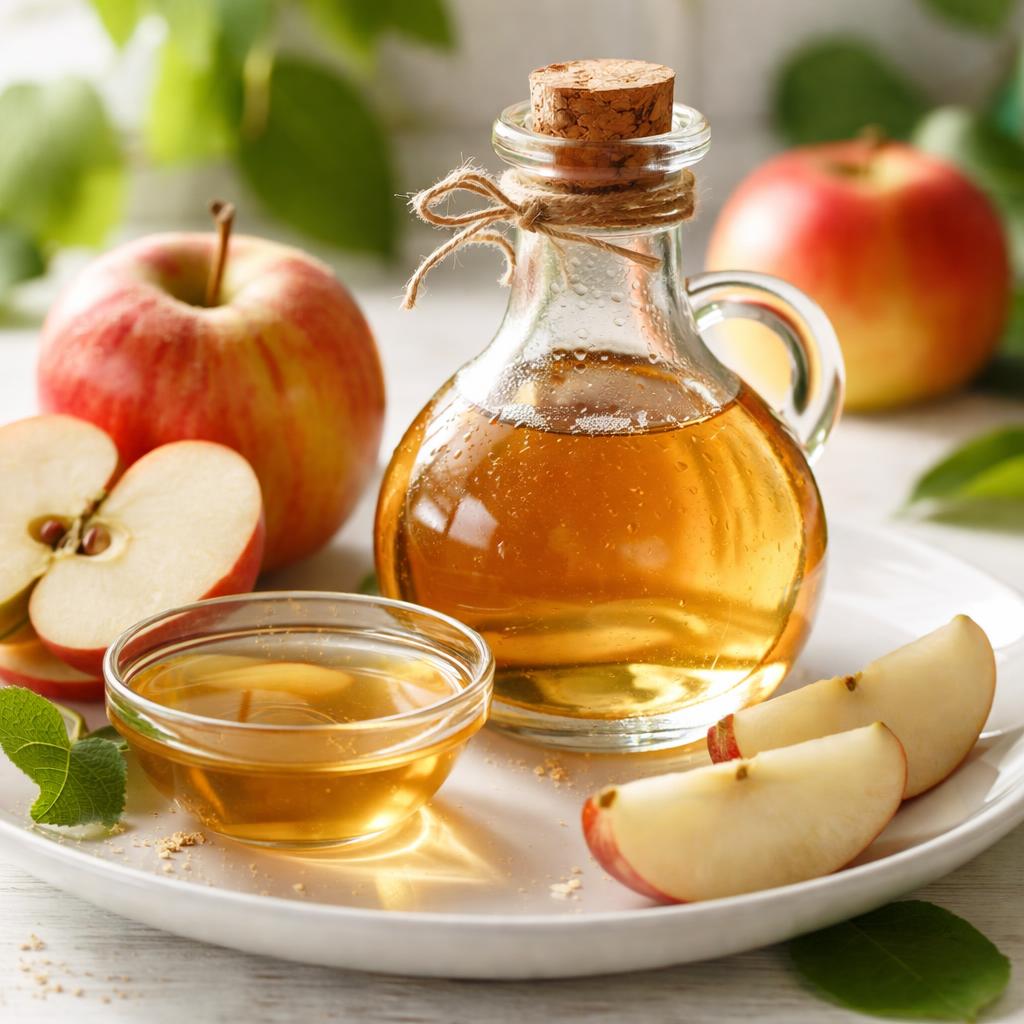
Apple Cider Vinegar
🎯 Quick Verdict
Rice and apple cider vinegar serve very different purposes in a diet. Rice is a higher-calorie option and provides more protein and fiber, making it suitable for energy needs or as a carbohydrate base. Apple cider vinegar has minimal calories and contains trace minerals, making it ideal for those pursuing weight management or digestion support when used sparingly as a condiment or drink ingredient.

Smart Nutrition Tracking with SnapCalorie

📊 Nutritional Comparison
Macronutrients
| Nutrient | Food 1 | Food 2 | Winner |
|---|---|---|---|
| Calories | 130 per 100g (cooked) | 3 per Tbsp (15ml) | − |
| Protein | 2.7g | 0g | − |
| Carbs | 28g | 0g | − |
| Fat | 0.3g | 0g | − |
| Fiber | 0.4g | 0g | − |
Vitamins & Minerals
| Nutrient | Food 1 | Food 2 | Winner |
|---|---|---|---|
| Vitamin D | 0mcg | 0mcg | − |
| Calcium | 10mg | 1mg | − |
| Iron | 0.2mg | trace amounts (<0.1mg) | − |
🏆 Category Winners
Protein
Rice contains 2.7g of protein per 100g, while apple cider vinegar has 0g.
Fiber
Rice offers 0.4g of fiber per 100g, whereas apple cider vinegar offers none.
Calories
Apple cider vinegar has nearly negligible calories (3 per Tbsp) compared to rice’s 130 calories per 100g.
🥗 Diet Compatibility
Keto
Food 1: Not Compatible
Food 2: Compatible
Rice is high-carb (28g), while apple cider vinegar is low-carb and fits ketogenic guidelines.
Vegan
Food 1: Compatible
Food 2: Compatible
Both foods are plant-based and suitable for vegan diets.
Gluten Free
Food 1: Compatible
Food 2: Compatible
Both rice and apple cider vinegar are naturally gluten-free.
Paleo
Food 1: Not Compatible
Food 2: Compatible
Rice is not permitted on paleo diets, while apple cider vinegar is paleo-friendly.
Low Carb
Food 1: Not Compatible
Food 2: Compatible
Rice is high-carb, whereas apple cider vinegar is carb-free.
💪 Health Benefits Comparison
Food 1 Benefits
- Provides sustained energy from complex carbohydrates
- Low in fat and cholesterol-free
- Contributes to muscle function with small amounts of protein
Food 2 Benefits
- Supports digestion and gut health due to acetic acid content
- May help regulate blood sugar levels
- Contains antioxidants for combating free radicals
- Promotes weight management when used responsibly
✅ The Bottom Line
Rice is ideal for those needing an energy-dense carbohydrate source, particularly in athletic settings or balanced diets. Apple cider vinegar is a low-calorie option suitable for digestion support, blood sugar management, and as part of a low-carb or ketogenic lifestyle. Choose rice for meals requiring bulk and sustenance, and apple cider vinegar for flavor enhancement or functional health benefits in small amounts.
Choose Food 1 for: Energy needs, post-workout carb replenishment, plant-based meal bases
Choose Food 2 for: Weight management, digestion support, adding flavor to low-calorie diets


