Rice VS Almond Milk
A detailed nutritional comparison
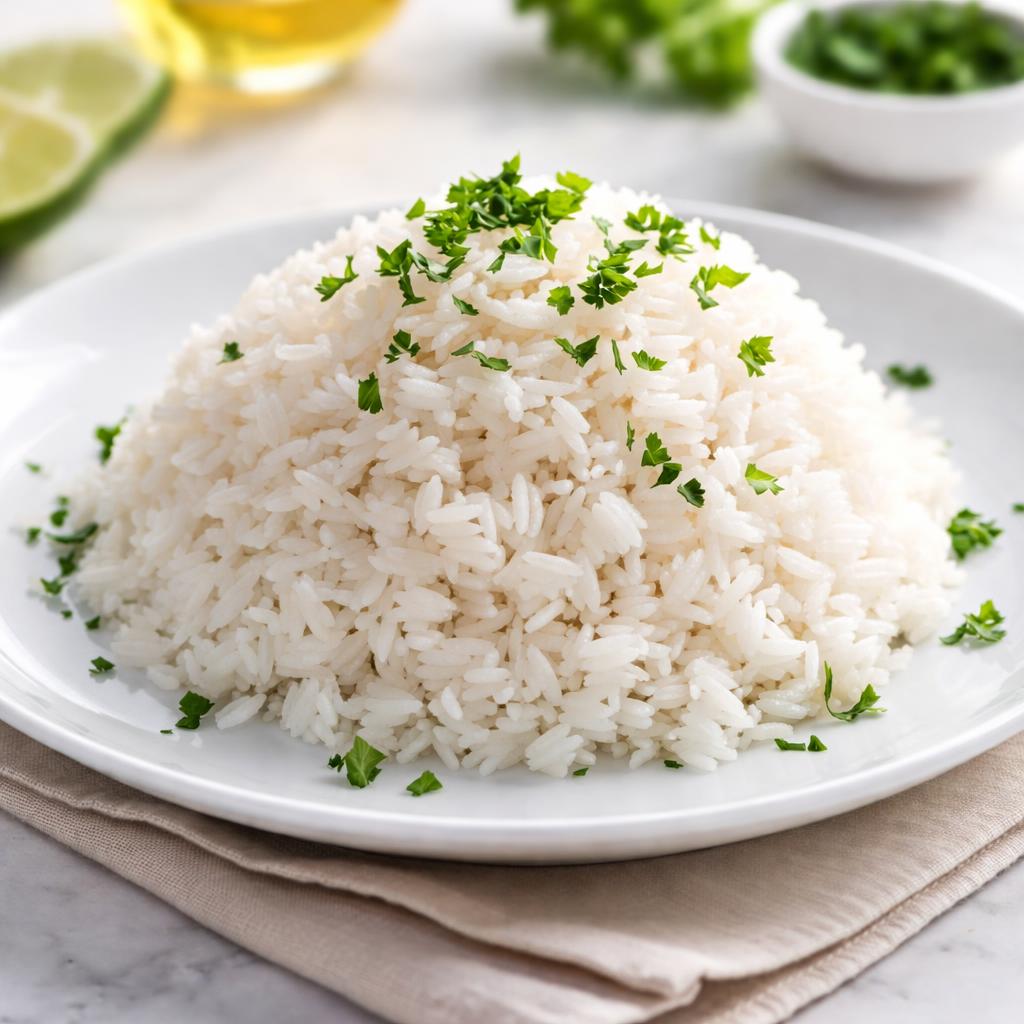
Rice
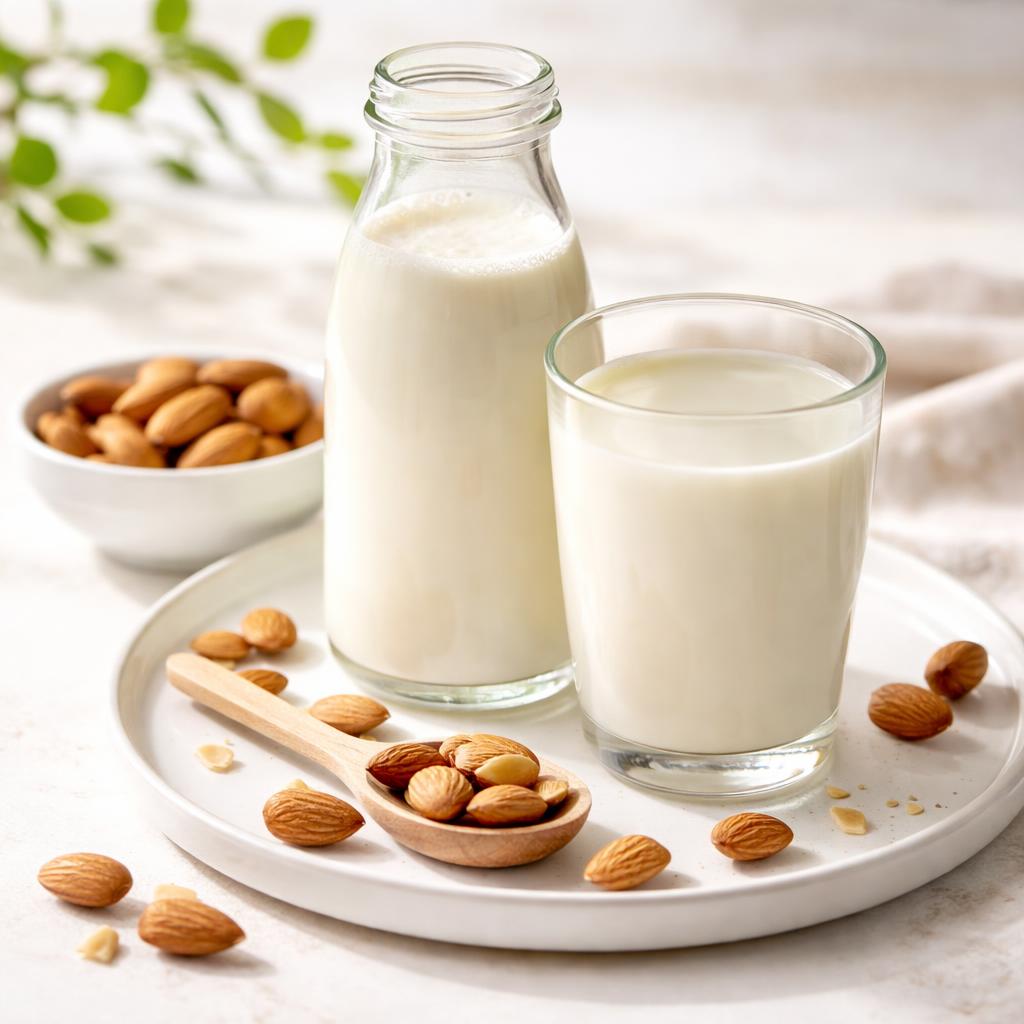
Almond Milk
🎯 Quick Verdict
Rice provides more protein, fiber, and calories compared to almond milk, making it a more energy-dense food suited for fueling active lifestyles. Almond milk is lower in calories and fat, making it a better choice for light drinks or calorie-conscious diets. Both are versatile, but their purposes differ based on dietary priorities.

Smart Nutrition Tracking with SnapCalorie

📊 Nutritional Comparison
Macronutrients
| Nutrient | Food 1 | Food 2 | Winner |
|---|---|---|---|
| Calories | 206 (1 cup cooked) | 30 (1 cup unsweetened) | ✓ |
| Protein | 4g | 1g | ✓ |
| Carbs | 45g | 1g | ✓ |
| Fat | 0.4g | 2.5g | ✓ |
| Fiber | 1g | 0g | ✓ |
Vitamins & Minerals
| Nutrient | Food 1 | Food 2 | Winner |
|---|---|---|---|
| Vitamin D | 0mcg | 2.5mcg (fortified) | ✓ |
| Calcium | 20mg | 450mg (fortified) | ✓ |
| Iron | 0.8mg | 0mg | ✓ |
🏆 Category Winners
Protein
Rice contains 4g of protein per serving, which is four times the amount found in almond milk (1g).
Fiber
Rice contains 1g of fiber compared to no fiber in almond milk.
Calories
Almond milk contains significantly fewer calories per serving (30 vs. 206).
Vitamins
Fortified almond milk contains more vitamin D and significantly higher calcium compared to rice.
🥗 Diet Compatibility
Keto
Food 1: Not Compatible
Food 2: Compatible
Rice is high-carb, while almond milk is low-carb and fits keto diets.
Vegan
Food 1: Compatible
Food 2: Compatible
Both are plant-based and vegan-friendly.
Gluten Free
Food 1: Compatible
Food 2: Compatible
Rice and almond milk are naturally gluten-free.
Paleo
Food 1: Compatible
Food 2: Compatible
Both foods align with the paleo diet when consumed in their natural state.
Low Carb
Food 1: Not Compatible
Food 2: Compatible
Rice is carbohydrate-rich, while almond milk is low in carbohydrates.
💪 Health Benefits Comparison
Food 1 Benefits
- Provides a quick source of energy with its carbohydrate content.
- Contains small amounts of protein for metabolism support.
- Naturally gluten-free and easy to digest.
Food 2 Benefits
- Fortified almond milk provides a good amount of calcium for bone health.
- Low in calories and fat, making it suitable for weight management.
- Vitamin D content supports immune and bone health.
✅ The Bottom Line
Rice is a calorie-dense source of energy and ideal for active individuals looking for fuel or adding substance to meals. Almond milk, on the other hand, is a low-calorie, nutrient-fortified drink perfect for hydration, lighter uses, and those focusing on calcium and vitamin intake.
Choose Food 1 for: Athletes, high-energy meals, carb refueling
Choose Food 2 for: Low-calorie diets, bone health, plant-based beverages


