Rice VS Adobo
A detailed nutritional comparison
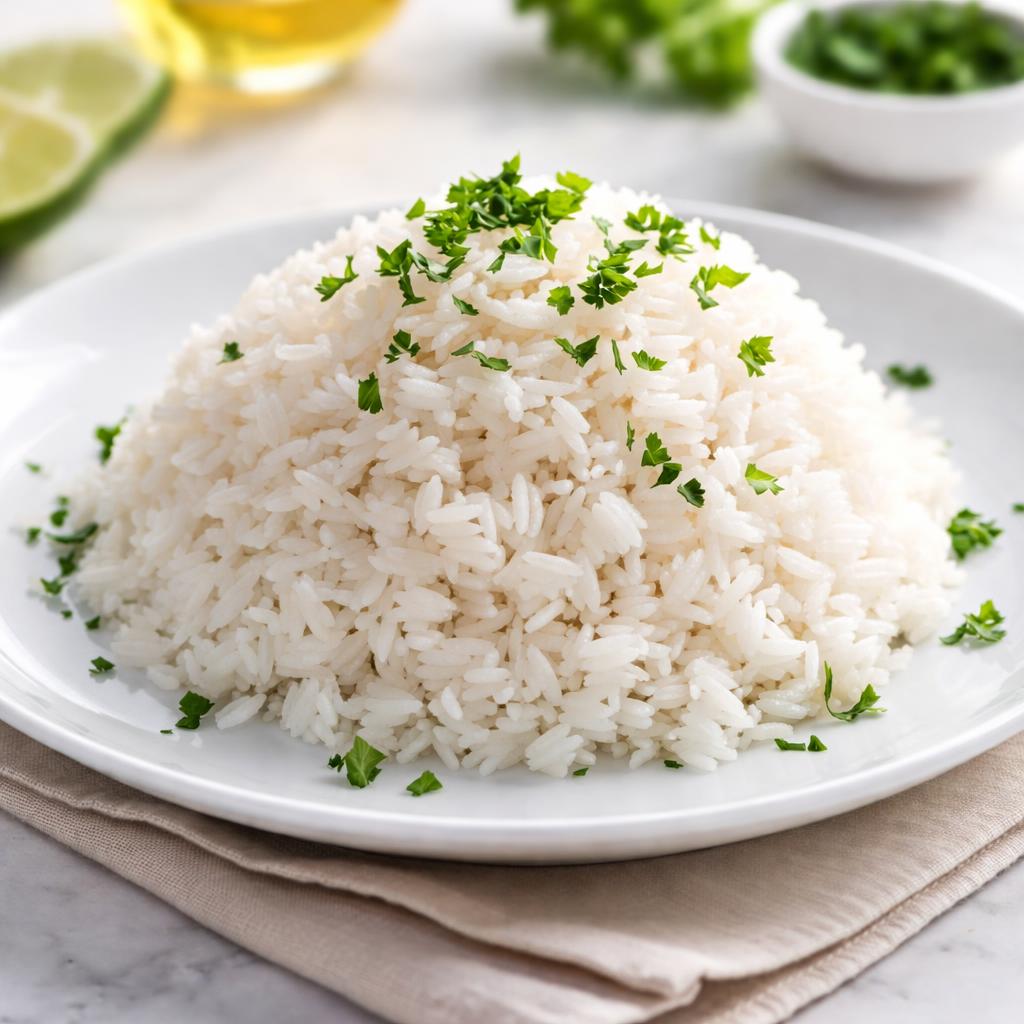
Rice
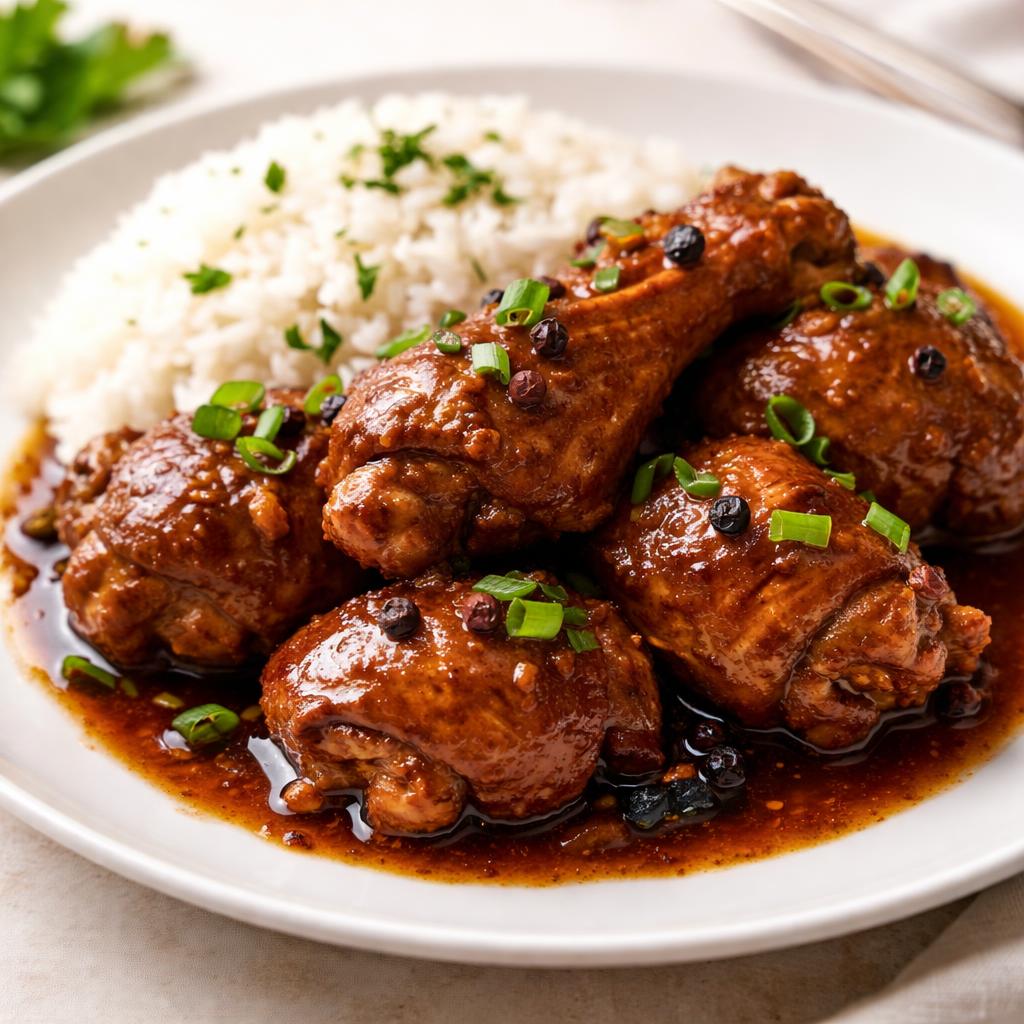
Adobo
🎯 Quick Verdict
Rice (Food1) is primarily a carbohydrate source with lower calories but minimal protein and fiber. Filipino adobo (Food2), typically made with chicken or pork, is richer in protein, fats, and micronutrients, but higher in calories. While rice works well as a base or side dish with low calorie density, adobo stands out as a nutrient-dense main dish for its protein and flavor complexity.

Smart Nutrition Tracking with SnapCalorie

📊 Nutritional Comparison
Macronutrients
| Nutrient | Food 1 | Food 2 | Winner |
|---|---|---|---|
| Calories | 130 | 270 | ✓ |
| Protein | 2.7g | 14g | ✓ |
| Carbs | 28.7g | 8g | ✓ |
| Fat | 0.3g | 18g | ✓ |
| Fiber | 0.4g | 2g | ✓ |
Vitamins & Minerals
| Nutrient | Food 1 | Food 2 | Winner |
|---|---|---|---|
| Vitamin D | 0mcg | 1mcg | ✓ |
| Calcium | 10mg | 20mg | ✓ |
| Iron | 0.2mg | 1mg | ✓ |
🏆 Category Winners
Protein
Food2 (adobo) has over five times the protein content compared to Food1 (rice).
Fiber
Food2 provides five times more fiber than Food1.
Calories
Food1 has lower calories due to its simpler composition.
🥗 Diet Compatibility
Keto
Food 1: Not Compatible
Food 2: Compatible
Food1 is high in carbs, while Food2 is low-carb and high-fat.
Vegan
Food 1: Compatible
Food 2: Not Compatible
Food1 is plant-based, while Food2 contains animal protein.
Gluten Free
Food 1: Compatible
Food 2: Compatible
Neither contains gluten ingredients.
Paleo
Food 1: Not Compatible
Food 2: Compatible
Food1 is a grain, excluded in the paleo diet, while Food2 is protein-based and fits paleo guidelines.
Low Carb
Food 1: Not Compatible
Food 2: Compatible
Food1 is too high in carbohydrates for low-carb diets, whereas Food2 is suitable due to its low carb content.
💪 Health Benefits Comparison
Food 1 Benefits
- Provides a quick source of energy from carbohydrates
- Low in fat, suitable for low-fat diets
- Easy to digest and pairs well with a variety of dishes
Food 2 Benefits
- Rich in protein for muscle-building and repair
- Contains healthy fats for sustained energy
- Provides essential micronutrients like iron and calcium
- Flavorful and nutrient-dense main dish
✅ The Bottom Line
Choose Food1 (rice) for a low-calorie side dish or a carbohydrate source in high-energy diets. Opt for Food2 (adobo) - a protein-packed and flavorful main dish - for muscle-building, energy sustenance, or nutrient-dense meals.
Choose Food 1 for: Low-calorie diets, energy replenishment, side dish
Choose Food 2 for: Protein-focused meals, keto/paleo diets, flavorful main course


