Rice VS 2 Eggs
A detailed nutritional comparison
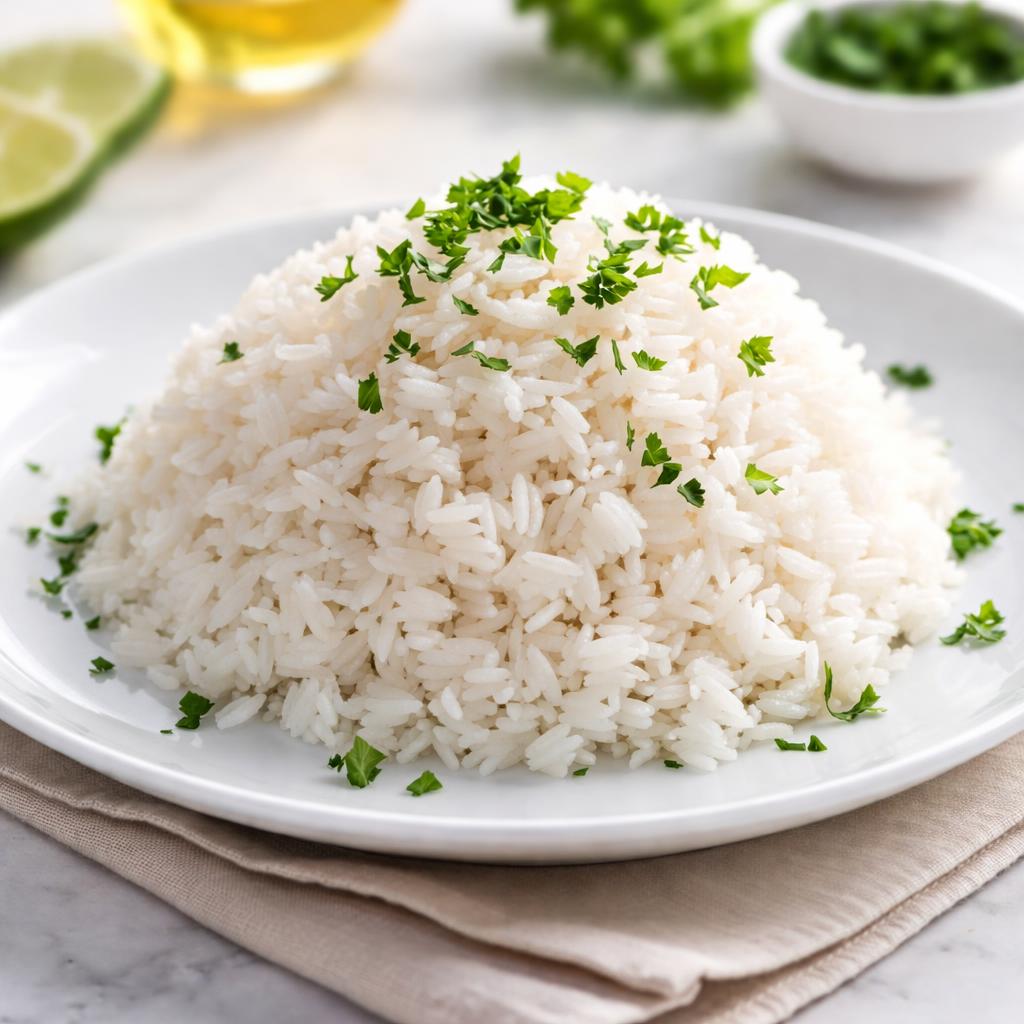
Rice

2 Eggs
🎯 Quick Verdict
Rice is primarily a carbohydrate source, while eggs are protein-rich with healthy fats. Choosing rice supports energy needs for high activity levels, whereas eggs aid in muscle maintenance and provide essential vitamins. Both foods serve different dietary purposes based on individual goals and preferences.

Smart Nutrition Tracking with SnapCalorie

📊 Nutritional Comparison
Macronutrients
| Nutrient | Food 1 | Food 2 | Winner |
|---|---|---|---|
| Calories | 206 | 140 | ✓ |
| Protein | 4.3g | 12g | ✓ |
| Carbs | 45g | 1g | ✓ |
| Fat | 0.4g | 10g | ✓ |
| Fiber | 0.6g | 0g | ✓ |
Vitamins & Minerals
| Nutrient | Food 1 | Food 2 | Winner |
|---|---|---|---|
| Vitamin D | 0mcg | 2mcg | ✓ |
| Calcium | 10mg | 50mg | ✓ |
| Iron | 1mg | 1.2mg | ✓ |
| Vitamin B12 | 0mcg | 1.4mcg | ✓ |
🏆 Category Winners
Protein
2 eggs have almost three times more protein than a serving of rice.
Fiber
Rice provides trace fiber, while eggs contain no fiber.
Calories
Eggs have 66 fewer calories per serving than rice.
Vitamins
Eggs supply significant amounts of vitamin D, B12, and calcium, which rice lacks.
🥗 Diet Compatibility
Keto
Food 1: Not Compatible
Food 2: Compatible
Rice is high in carbs, making it unsuitable for keto. Eggs are low-carb and fit perfectly.
Vegan
Food 1: Compatible
Food 2: Not Compatible
Rice is plant-based, while eggs are animal-derived.
Gluten Free
Food 1: Compatible
Food 2: Compatible
Neither rice nor eggs contain gluten.
Paleo
Food 1: Compatible
Food 2: Compatible
Both are whole, minimally processed foods suitable for paleo diets.
Low-Carb
Food 1: Not Compatible
Food 2: Compatible
Rice is high in carbs, whereas eggs are extremely low-carb.
💪 Health Benefits Comparison
Food 1 Benefits
- Provides sustained energy due to complex carbohydrates
- Low fat content, suitable for low-fat diets
- Mild flavor pairs well with diverse dishes
Food 2 Benefits
- High-quality protein supports muscle repair and maintenance
- Contains healthy fats for heart and brain health
- Rich in vitamin B12, important for energy and nerve function
- Good source of vitamin D for bone health
✅ The Bottom Line
Rice and eggs serve different nutritional purposes. Choose rice for energy and carb-focused meals; prefer eggs for protein, vitamins, and low-carb options. Both can complement each other in balanced meals.
Choose Food 1 for: High-energy meals, vegan diets, affordable carb source
Choose Food 2 for: Low-carb diets, high-protein meals, vitamin-rich snacks


