Rice Pilaf VS Spicy Rice
A detailed nutritional comparison
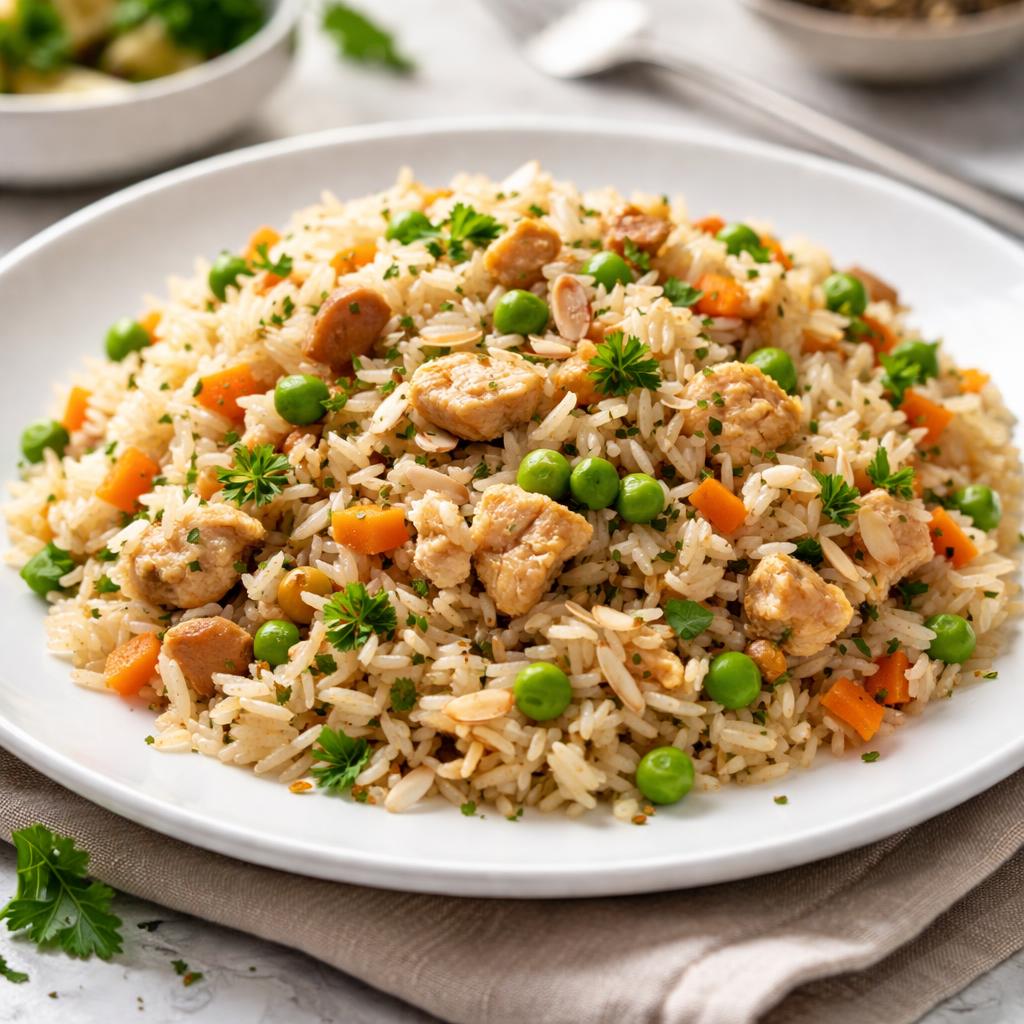
Rice Pilaf
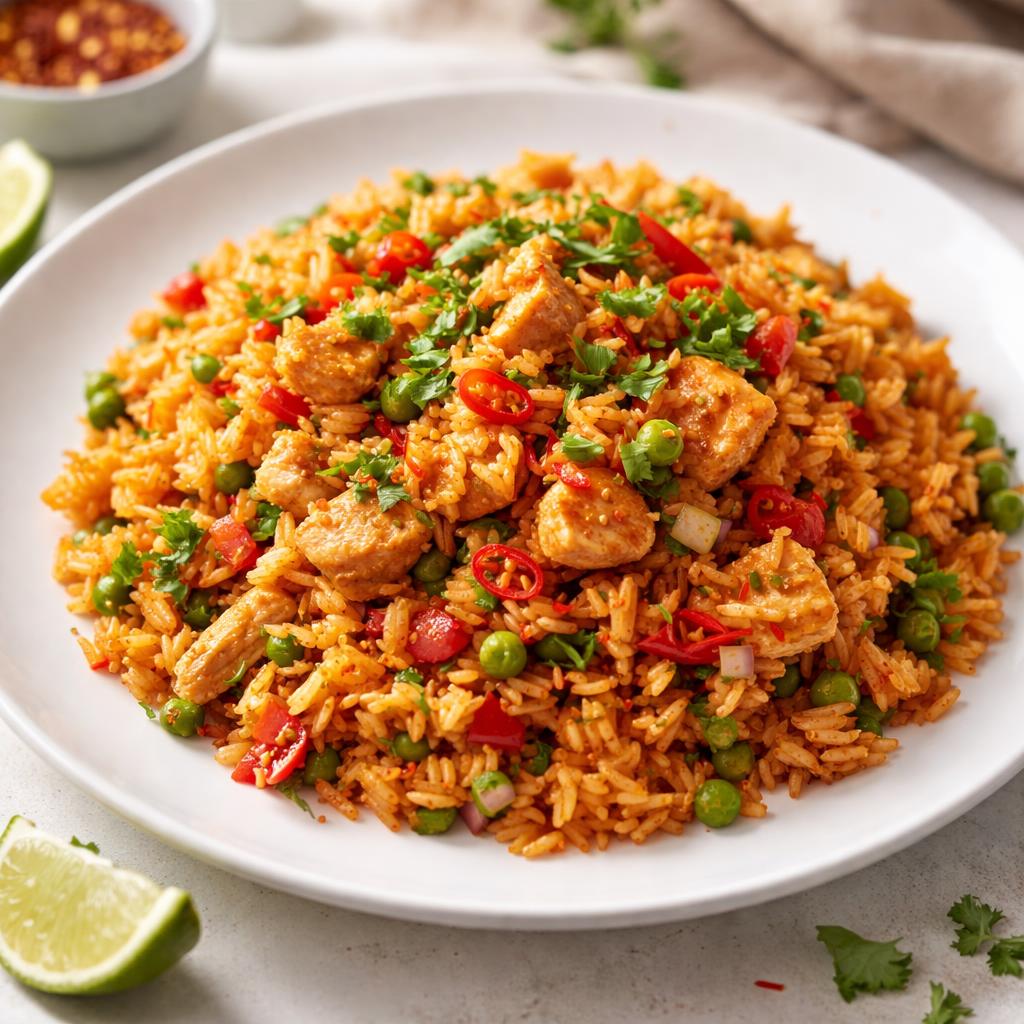
Spicy Rice
🎯 Quick Verdict
Rice pilaf and spicy rice both offer unique flavors and nutritional benefits. Rice pilaf is lower in calories and provides balanced macros, making it ideal for weight-conscious diets. Spicy rice contains slightly more fiber and can add variety and flavor, but tends to be higher in sodium and calories depending on preparation methods. Choose based on dietary goals and flavor preferences.

Smart Nutrition Tracking with SnapCalorie

📊 Nutritional Comparison
Macronutrients
| Nutrient | Food 1 | Food 2 | Winner |
|---|---|---|---|
| Calories | 200 | 250 | ✓ |
| Protein | 5g | 5g | − |
| Carbs | 35g | 40g | ✓ |
| Fat | 3g | 6g | ✓ |
| Fiber | 2g | 4g | ✓ |
Vitamins & Minerals
| Nutrient | Food 1 | Food 2 | Winner |
|---|---|---|---|
| Vitamin A | 0mcg | 50mcg | ✓ |
| Vitamin C | 0mg | 6mg | ✓ |
| Iron | 1mg | 2mg | ✓ |
🏆 Category Winners
Protein
Both foods provide equivalent amounts of protein per serving.
Fiber
Spicy rice contains 100% more fiber, aiding digestion.
Calories
Rice pilaf is 20% lower in calories, suitable for calorie-conscious diets.
Vitamins
Spicy rice has higher amounts of vitamin A, vitamin C, and iron compared to rice pilaf.
🥗 Diet Compatibility
Keto
Food 1: Not Compatible
Food 2: Not Compatible
Both foods are high in carbohydrates.
Paleo
Food 1: Not Compatible
Food 2: Not Compatible
Prepared rice dishes do not align with paleo principles.
Vegan
Food 1: Varies by preparation
Food 2: Varies by preparation
Both foods can be made vegan depending on ingredients like broth or seasoning used.
Gluten Free
Food 1: Varies by preparation
Food 2: Varies by preparation
Depends on seasonings or additives; plain rice is naturally gluten-free.
Low Carb
Food 1: Not Compatible
Food 2: Not Compatible
Both are carbohydrate-rich foods.
💪 Health Benefits Comparison
Food 1 Benefits
- Lower in calories for weight management
- Provides balanced macros for energy
- Contains moderate protein for muscle maintenance
Food 2 Benefits
- Higher fiber content supports digestion
- Rich in vitamin C and iron for immunity and energy
- Spices may offer anti-inflammatory benefits
✅ The Bottom Line
Rice pilaf is the better choice for lower calorie meals and balanced macros, making it suitable for weight management and general diets. Spicy rice, with its higher fiber and vitamin content, is ideal for those looking to enhance gut health and add a flavorful twist to their meals.
Choose Food 1 for: Weight management, balanced diet, lighter meals
Choose Food 2 for: Gut health, flavorful dishes, nutrient-packed options


