Rice Pilaf VS Saffron Rice
A detailed nutritional comparison
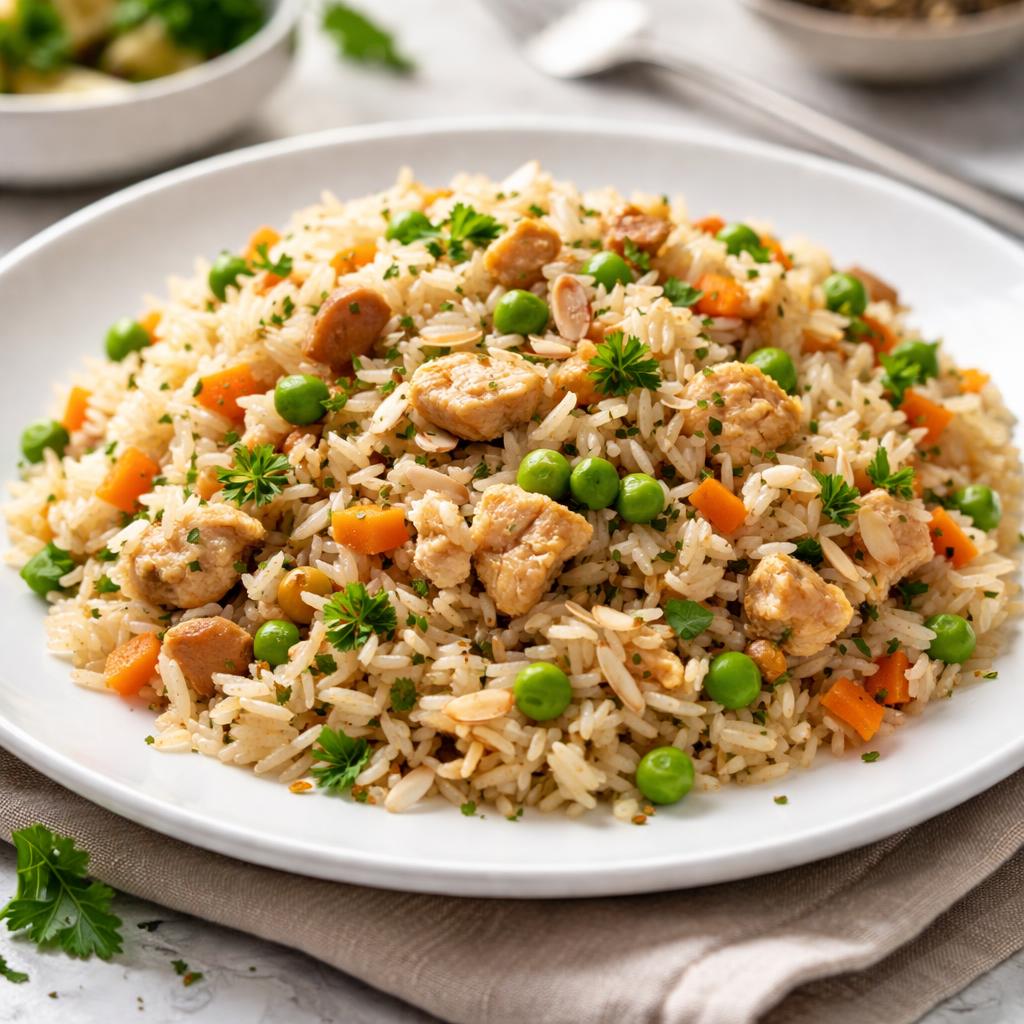
Rice Pilaf
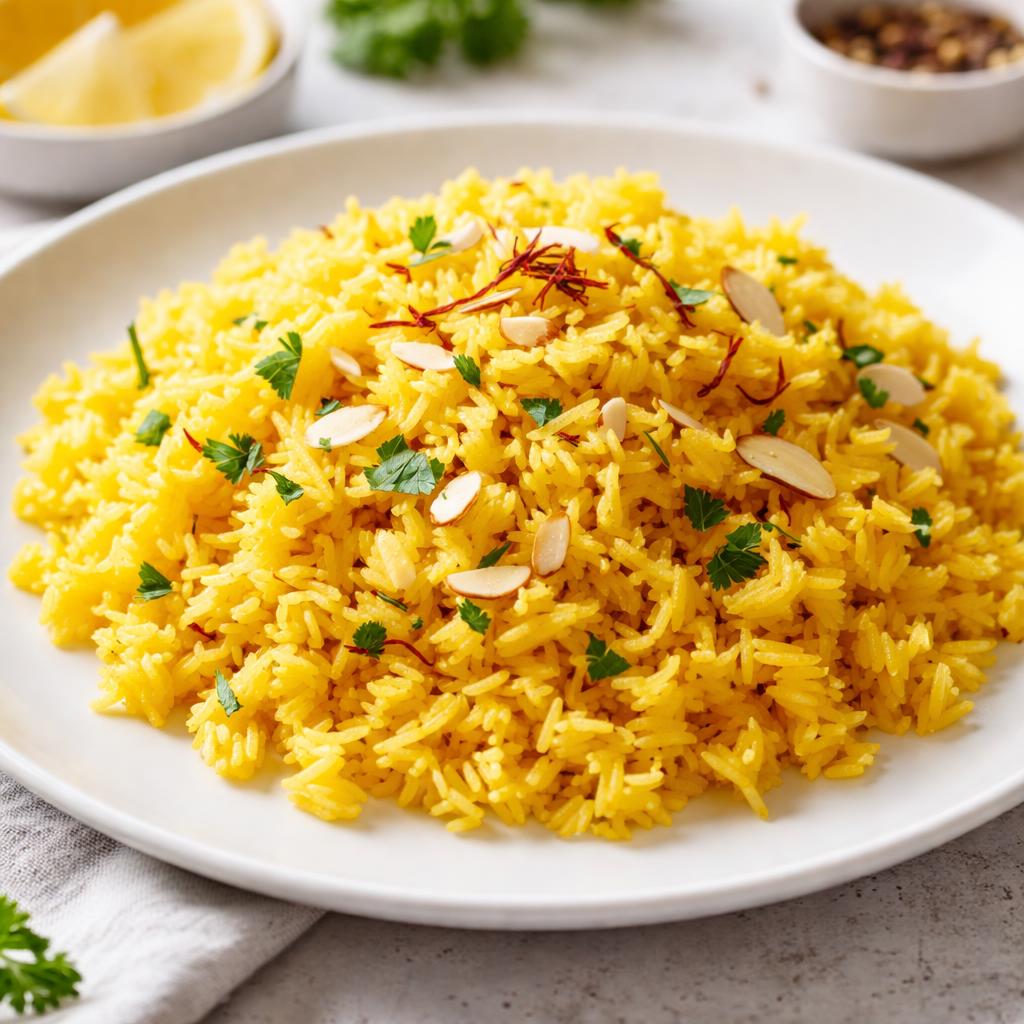
Saffron Rice
🎯 Quick Verdict
Rice pilaf is more nutrient-dense, boasting higher protein, fiber, and lower calorie content compared to saffron rice. Saffron rice, however, has unique aromatic flavors and can be a luxurious choice for special occasions. Choose rice pilaf for everyday meals focused on nutrition, and saffron rice for a flavorful treat.

Smart Nutrition Tracking with SnapCalorie

📊 Nutritional Comparison
Macronutrients
| Nutrient | Food 1 | Food 2 | Winner |
|---|---|---|---|
| Calories | 200 | 250 | ✓ |
| Protein | 6g | 4g | ✓ |
| Carbs | 36g | 45g | ✓ |
| Fat | 4g | 3g | ✓ |
| Fiber | 3g | 1g | ✓ |
Vitamins & Minerals
| Nutrient | Food 1 | Food 2 | Winner |
|---|---|---|---|
| Vitamin D | 0mcg | 0mcg | − |
| Calcium | 20mg | 10mg | ✓ |
| Iron | 2mg | 1mg | ✓ |
🏆 Category Winners
Protein
Rice pilaf has 50% more protein per serving.
Fiber
Rice pilaf contains 3x more fiber for digestive health.
Calories
Rice pilaf has 20% fewer calories, making it better for weight management.
🥗 Diet Compatibility
Keto
Food 1: Not Compatible
Food 2: Not Compatible
Both are high in carbs and not suitable for keto diets.
Vegan
Food 1: Compatible
Food 2: Compatible
Both are plant-based side dishes.
Gluten Free
Food 1: Compatible
Food 2: Compatible
Neither contains gluten based on preparation with rice.
Paleo
Food 1: Compatible
Food 2: Compatible
Both fit within paleo guidelines if made with whole, clean ingredients.
Low Carb
Food 1: Not Compatible
Food 2: Not Compatible
Both are high in carbohydrates, exceeding typical low-carb thresholds.
💪 Health Benefits Comparison
Food 1 Benefits
- Higher protein content supports muscle maintenance.
- Contains fiber for better digestion and gut health.
- Provides iron for energy and improved oxygen transport in the body.
Food 2 Benefits
- Rich in antioxidants from saffron to reduce inflammation.
- Lower fat content supports heart health.
- Aromatic spices promote overall sensory and digestive benefits.
✅ The Bottom Line
Rice pilaf is the better choice for everyday nutrition, offering more protein, fiber, and fewer calories. Saffron rice stands out for its unique flavor and antioxidant properties, making it ideal for special occasions or pairing with rich main courses.
Choose Food 1 for: Weight management, protein-rich diets, balanced daily meals
Choose Food 2 for: Flavorful gourmet meals, antioxidant benefits, luxurious dining experiences


