Rice Pilaf VS Rice With Herbs
A detailed nutritional comparison
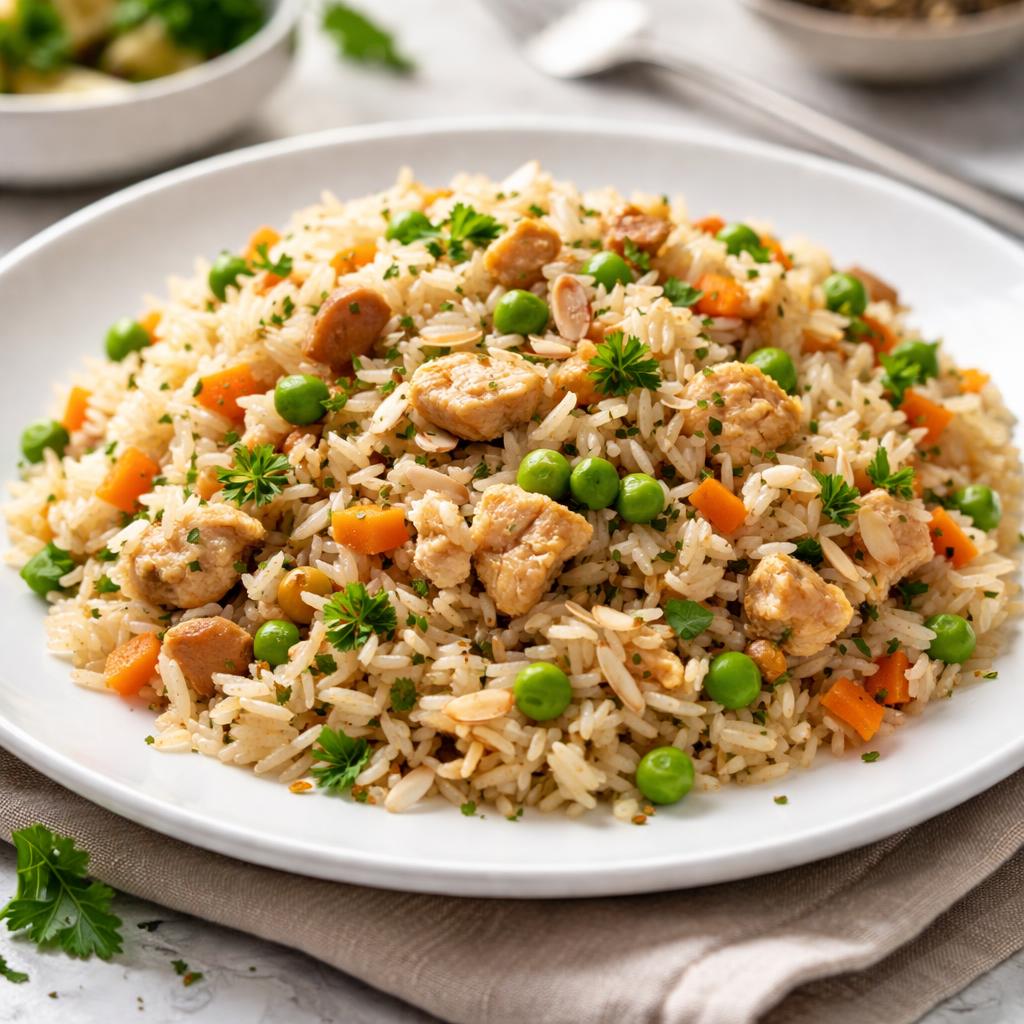
Rice Pilaf
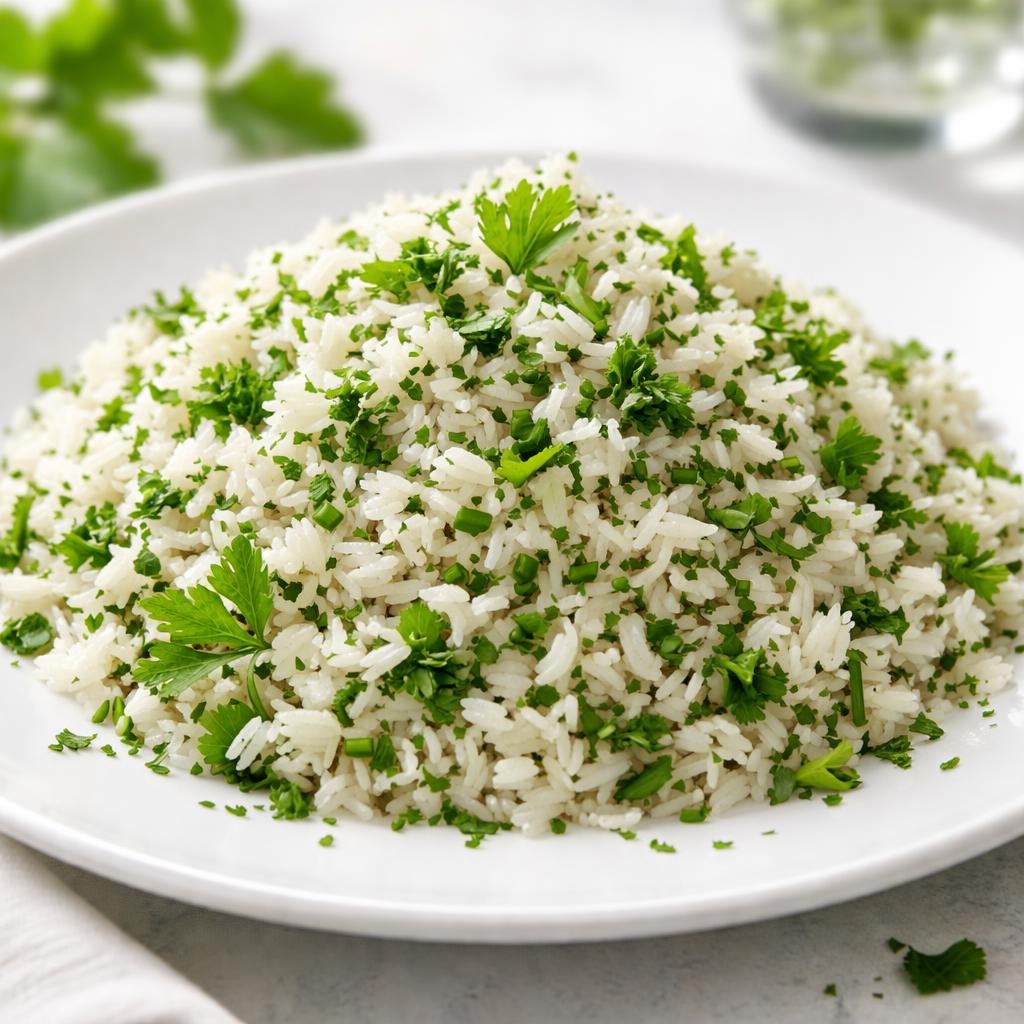
Rice With Herbs
🎯 Quick Verdict
Rice pilaf and rice with herbs have similar macronutrient profiles, but rice with herbs edges out with higher fiber and slightly fewer calories. Rice pilaf is great for those seeking hearty flavors from added oils and spices, while rice with herbs is ideal for lighter meals focusing on higher fiber content and lower calorie density.

Smart Nutrition Tracking with SnapCalorie

📊 Nutritional Comparison
Macronutrients
| Nutrient | Food 1 | Food 2 | Winner |
|---|---|---|---|
| Calories | 200 | 180 | ✓ |
| Protein | 4g | 4g | − |
| Carbs | 35g | 36g | ✓ |
| Fat | 7g | 3g | ✓ |
| Fiber | 1g | 2g | ✓ |
Vitamins & Minerals
| Nutrient | Food 1 | Food 2 | Winner |
|---|---|---|---|
| Vitamin C | 0mg | 5mg | ✓ |
| Vitamin A | 0mcg | 150mcg | ✓ |
| Iron | 1mg | 1.5mg | ✓ |
🏆 Category Winners
Protein
Both foods contain equal protein content at 4g per serving.
Fiber
Food2 contains twice the fiber (2g vs 1g).
Calories
Food2 is 10% lower in calories, making it a better choice for lighter meals.
🥗 Diet Compatibility
Keto
Food 1: Not Compatible
Food 2: Not Compatible
Both are high-carb foods due to the rice base.
Vegan
Food 1: Compatible
Food 2: Compatible
Both dishes are plant-based.
Gluten Free
Food 1: Compatible
Food 2: Compatible
Neither food contains gluten inherently.
Paleo
Food 1: Not Compatible
Food 2: Not Compatible
Rice is not considered paleo.
Low Carb
Food 1: Not Compatible
Food 2: Not Compatible
Both foods are naturally high in carbohydrates.
💪 Health Benefits Comparison
Food 1 Benefits
- Provides quick energy due to high carbohydrate content
- Contains added fats, which can help absorb fat-soluble vitamins
- Rich and hearty flavor profile for satiating meals
Food 2 Benefits
- Higher fiber content supports digestion
- Lower calorie density for weight management
- Herbs provide antioxidants for cellular health
✅ The Bottom Line
Choose rice pilaf for indulgent, hearty meals where taste is the priority. Opt for rice with herbs when seeking a lighter dish with higher fiber and fewer calories. Both are versatile side options, but rice with herbs is slightly more nutrition-forward.
Choose Food 1 for: Flavorful, hearty meals, energy-dense plates, comfort foods
Choose Food 2 for: Lighter meals, weight management, digestion support


