Rice Pilaf VS Lentil Pasta
A detailed nutritional comparison
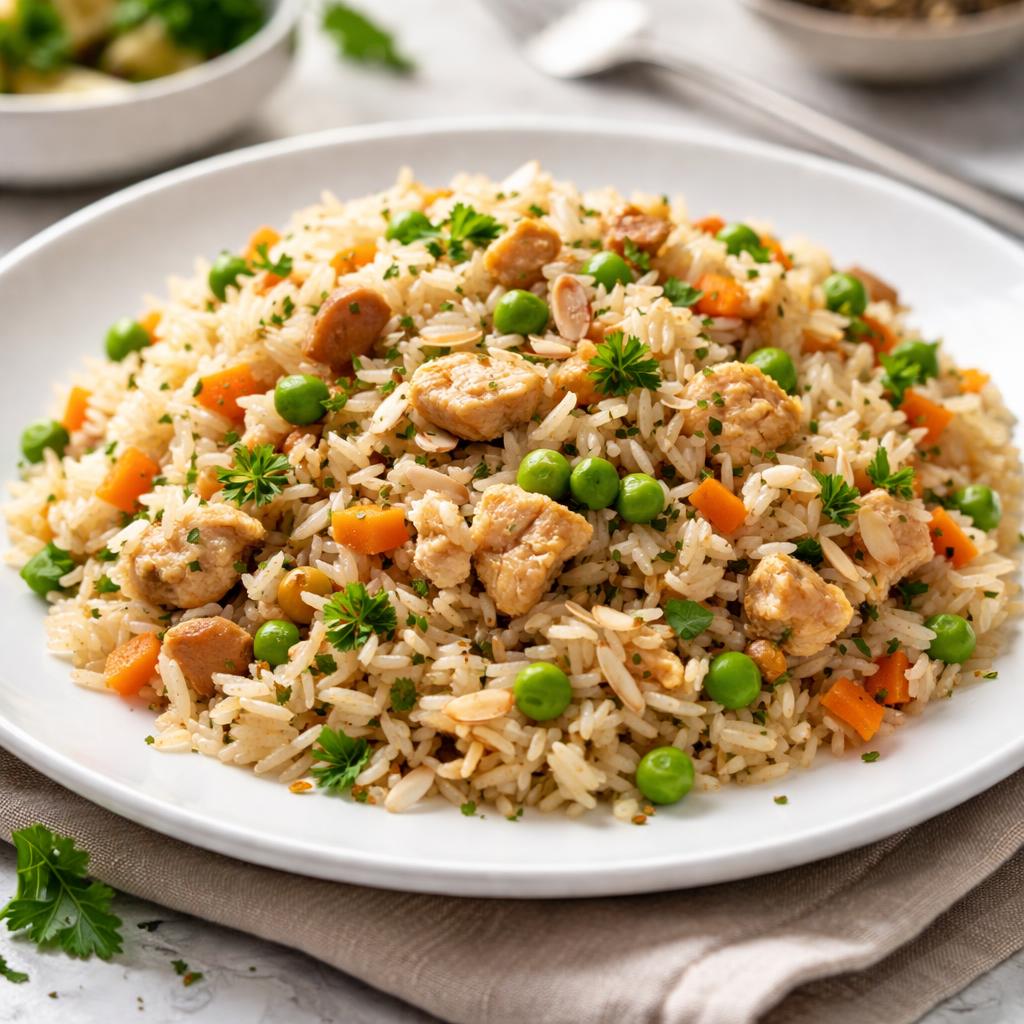
Rice Pilaf
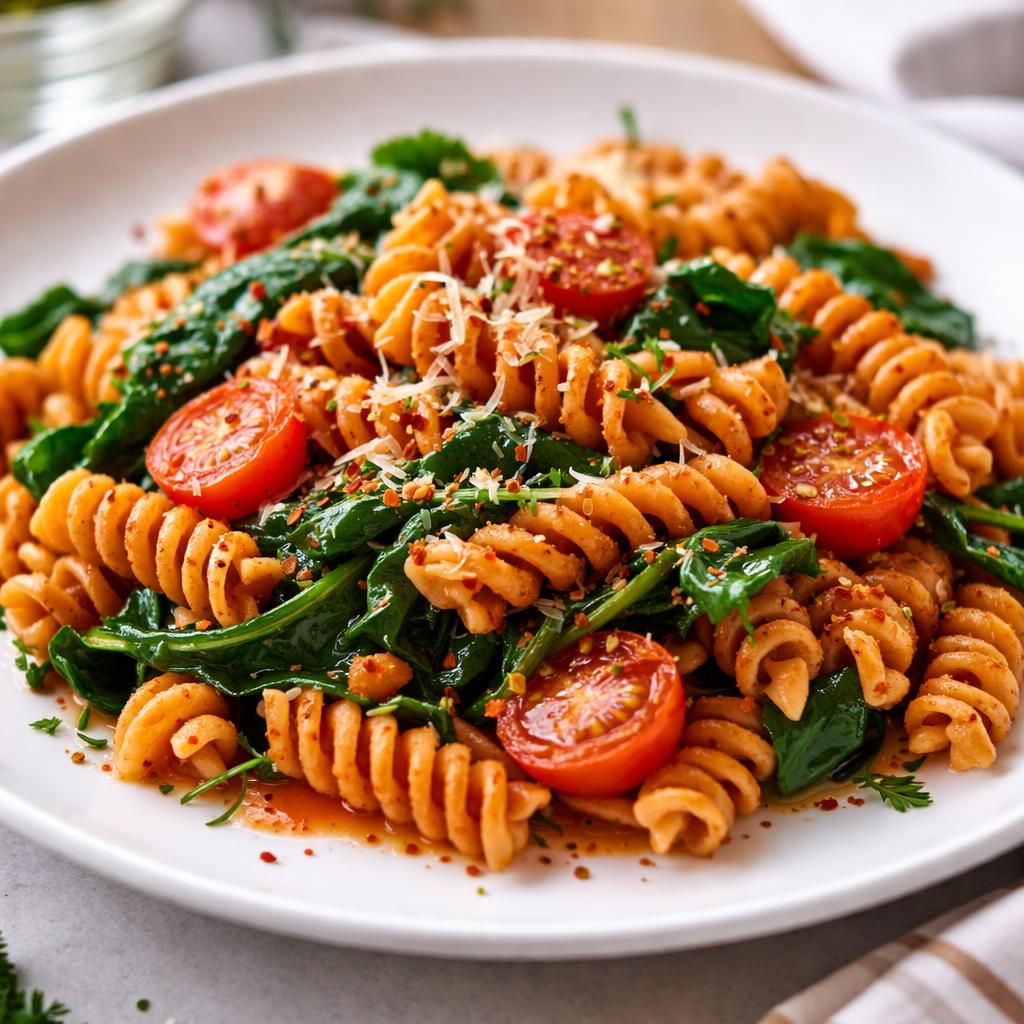
Lentil Pasta
🎯 Quick Verdict
Lentil pasta is significantly higher in protein and fiber compared to rice pilaf, making it a more nutrient-dense choice for individuals focused on muscle-building and digestive health. Rice pilaf, on the other hand, is lower in calories and can be a better option for lighter meals or weight management purposes. Both are vegan and gluten-free, suiting various diets and lifestyles.

Smart Nutrition Tracking with SnapCalorie

📊 Nutritional Comparison
Macronutrients
| Nutrient | Food 1 | Food 2 | Winner |
|---|---|---|---|
| Calories | 190 | 210 | ✓ |
| Protein | 5g | 13g | ✓ |
| Carbs | 30g | 35g | ✓ |
| Fat | 6g | 2g | ✓ |
| Fiber | 1g | 6g | ✓ |
Vitamins & Minerals
| Nutrient | Food 1 | Food 2 | Winner |
|---|---|---|---|
| Vitamin D | 0mcg | 0mcg | − |
| Calcium | 10mg | 60mg | ✓ |
| Iron | 0.2mg | 3mg | ✓ |
🏆 Category Winners
Protein
Lentil pasta has 160% more protein than rice pilaf, making it a superior choice for muscle-building.
Fiber
Lentil pasta is much higher in dietary fiber, offering six times more than rice pilaf.
Calories
Rice pilaf is lighter in calories, making it preferable for lower-calorie diets.
Vitamins
Lentil pasta has notably more calcium and iron, contributing better to bone health and energy levels.
🥗 Diet Compatibility
Keto
Food 1: Not Compatible
Food 2: Not Compatible
Both are relatively high-carb and unsuitable for keto diets.
Vegan
Food 1: Compatible
Food 2: Compatible
Both foods are plant-based, making them well-suited for vegan diets.
Gluten Free
Food 1: Depends (check recipe)
Food 2: Compatible
Lentil pasta is inherently gluten-free, while rice pilaf depends on preparation (e.g., stock or added ingredients).
Paleo
Food 1: Not Compatible
Food 2: Compatible
Rice pilaf is processed and grain-based, while lentil pasta aligns better with paleo guidelines as it’s made from legumes.
Low-Carb
Food 1: Not Compatible
Food 2: Not Compatible
Both foods are high in carbohydrates and do not qualify for low-carb diets.
💪 Health Benefits Comparison
Food 1 Benefits
- Low calorie option for weight management
- Provides carbs for quick energy
- Gentler on digestion
Food 2 Benefits
- Rich in protein for muscle repair and growth
- High in fiber to promote digestive health
- Excellent source of iron for improved oxygen delivery
✅ The Bottom Line
Lentil pasta is the better choice for protein, fiber, and overall nutrient density, making it ideal for athletes or individuals seeking sustained energy and digestive support. Rice pilaf is lower in calories and can be a convenient side dish for lighter meals. Both are versatile and fit well into vegan diets but differ significantly in their use cases based on dietary priorities.
Choose Food 1 for: Low-calorie meals, quick energy, side dishes
Choose Food 2 for: Muscle-building, digestive health, nutrient-dense meals


