Rice Pilaf VS Jasmine Rice
A detailed nutritional comparison
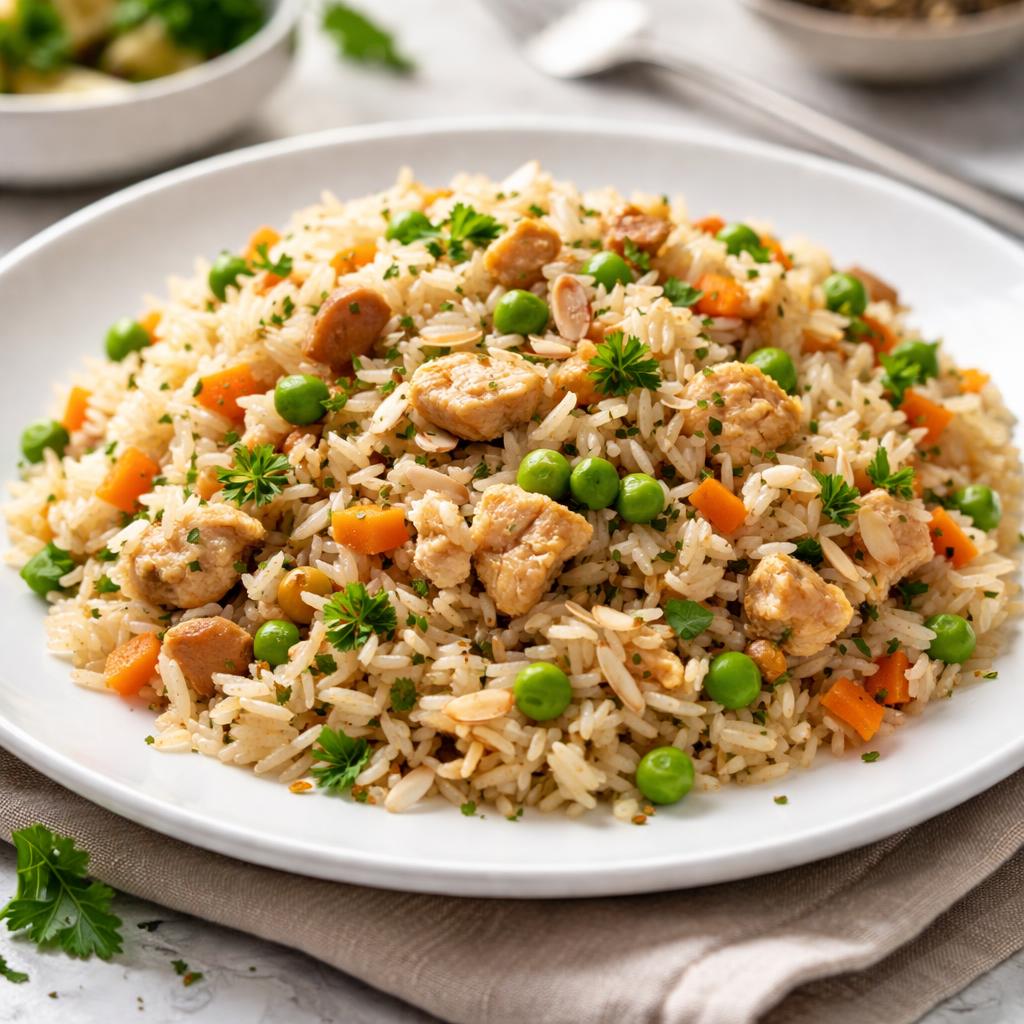
Rice Pilaf
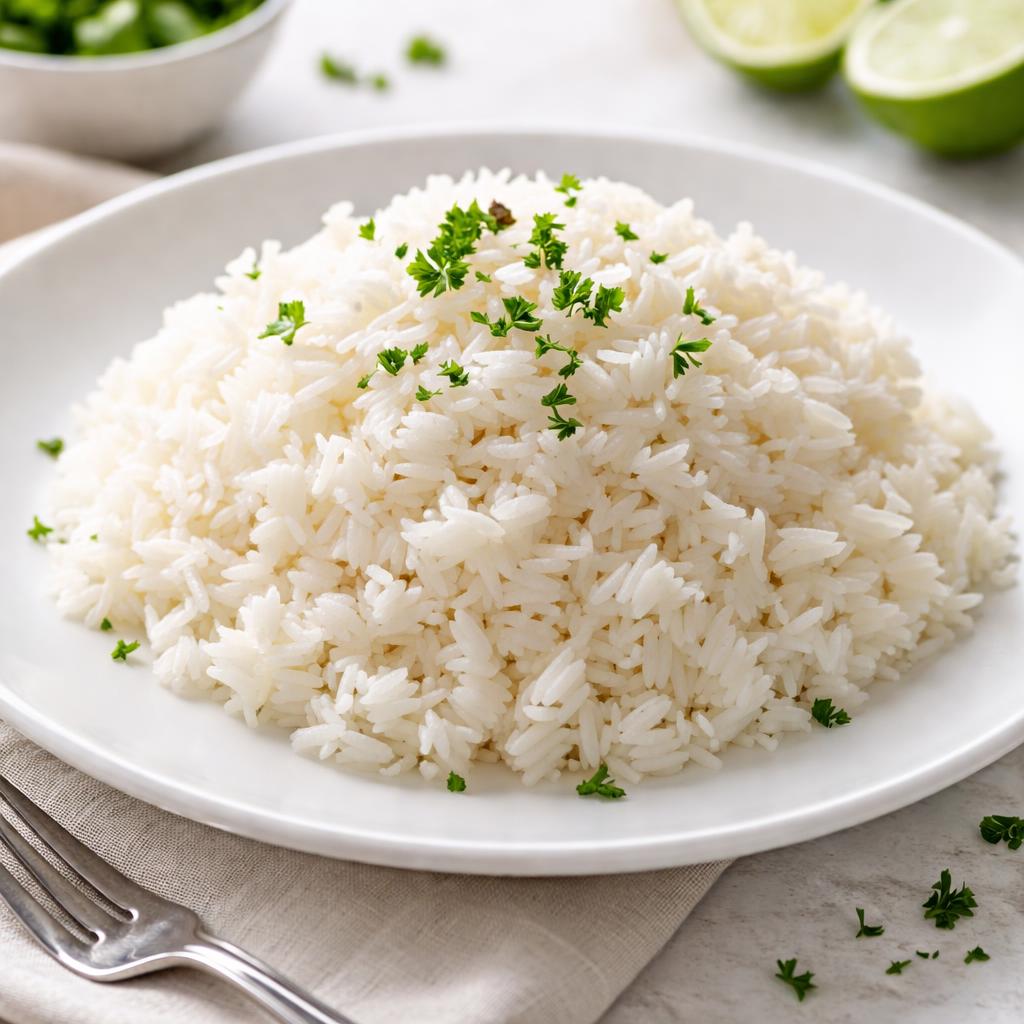
Jasmine Rice
🎯 Quick Verdict
Rice pilaf typically offers a more diverse nutrient profile with higher protein and fiber content compared to jasmine rice, which tends to be lower in calories but contributes primarily carbohydrates. Choose rice pilaf for balanced meals and jasmine rice for simple carb sources or lighter dishes.

Smart Nutrition Tracking with SnapCalorie

📊 Nutritional Comparison
Macronutrients
| Nutrient | Food 1 | Food 2 | Winner |
|---|---|---|---|
| Calories | 200 | 180 | ✓ |
| Protein | 5g | 3g | ✓ |
| Carbs | 35g | 40g | ✓ |
| Fat | 3g | 0.5g | ✓ |
| Fiber | 2g | 0.3g | ✓ |
Vitamins & Minerals
| Nutrient | Food 1 | Food 2 | Winner |
|---|---|---|---|
| Vitamin B6 | 0.1mg | 0.05mg | ✓ |
| Magnesium | 25mg | 11mg | ✓ |
| Iron | 1mg | 0.2mg | ✓ |
🏆 Category Winners
Protein
Rice pilaf provides 66% more protein per serving compared to jasmine rice.
Fiber
Rice pilaf contains significantly more fiber at 2g vs jasmine rice's 0.3g.
Calories
Jasmine rice is slightly lower in calories, ideal for lighter meals.
🥗 Diet Compatibility
Keto
Food 1: Not Compatible
Food 2: Not Compatible
Both are high in carbohydrates and not suitable for keto diets.
Vegan
Food 1: Compatible
Food 2: Compatible
Both foods are plant-based.
Gluten Free
Food 1: Compatible
Food 2: Compatible
Both foods are naturally gluten-free.
Paleo
Food 1: Compatible
Food 2: Compatible
Both fit within paleo guidelines as whole foods.
Low-Carb
Food 1: Not Compatible
Food 2: Not Compatible
Both are rich in carbs and not suitable for low-carb diets.
💪 Health Benefits Comparison
Food 1 Benefits
- Higher protein content supports muscle repair and maintenance.
- Contains fiber for improved digestion and gut health.
- Offers vitamins and minerals like magnesium and iron.
Food 2 Benefits
- Lower calorie option for lighter meals.
- Easily digestible, making it suitable for sensitive stomachs.
- Good source of quick energy from carbohydrates.
✅ The Bottom Line
Choose rice pilaf for nutrient-rich meals with more protein, fiber, and vitamins. It pairs well with protein sources like chicken or tofu for balanced dishes. Pick jasmine rice if you are looking for a lighter, simple carbohydrate option for quick energy or as a base for light Asian-style meals.
Choose Food 1 for: Balanced meals, higher protein and fiber needs, digestion support.
Choose Food 2 for: Light meals, energy boosts, simplicity and versatility in dishes.


