Rice Pilaf VS Couscous Salad
A detailed nutritional comparison
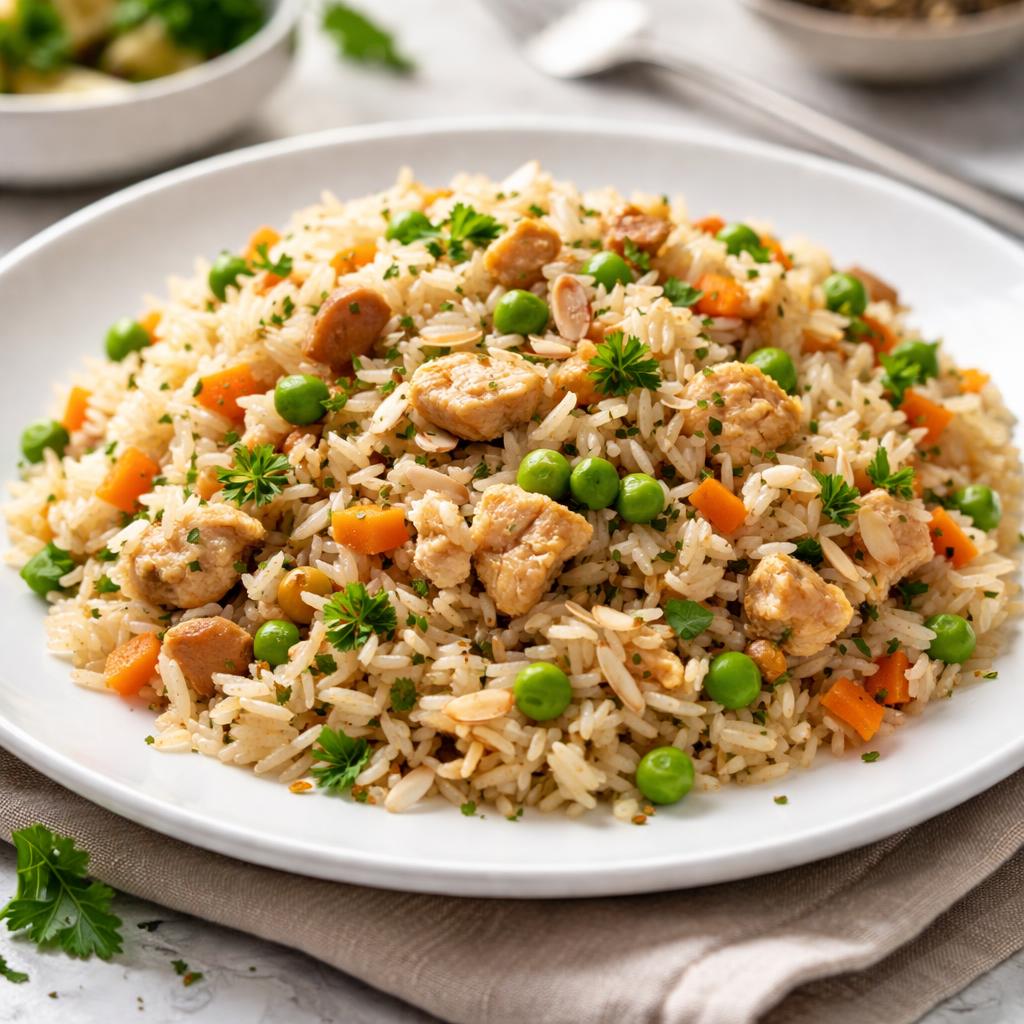
Rice Pilaf
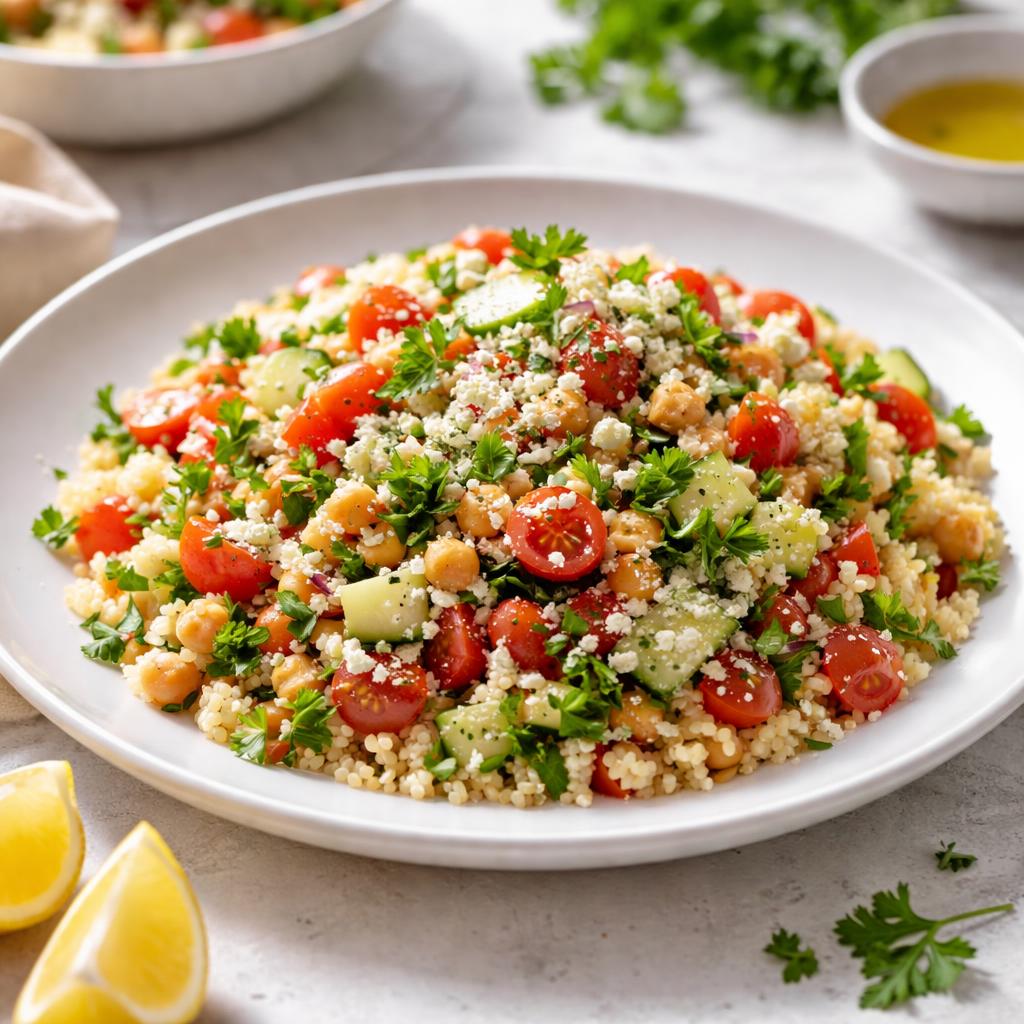
Couscous Salad
🎯 Quick Verdict
Couscous salad outperforms rice pilaf nutritionally with higher protein, fiber, and fewer overall calories per serving. Rice pilaf is richer in carbohydrates and slightly higher in fat, making it a better option for energy-dense meals. Couscous salad is ideal for lighter, nutrient-packed meals or as a component in Mediterranean diets.

Smart Nutrition Tracking with SnapCalorie

📊 Nutritional Comparison
Macronutrients
| Nutrient | Food 1 | Food 2 | Winner |
|---|---|---|---|
| Calories | 250 | 200 | ✓ |
| Protein | 5g | 7g | ✓ |
| Carbs | 42g | 37g | ✓ |
| Fat | 5g | 3g | ✓ |
| Fiber | 1g | 3g | ✓ |
Vitamins & Minerals
| Nutrient | Food 1 | Food 2 | Winner |
|---|---|---|---|
| Vitamin C | 1mg | 7mg | ✓ |
| Vitamin A | 0mcg | 50mcg | ✓ |
| Iron | 1mg | 2mg | ✓ |
| Calcium | 20mg | 40mg | ✓ |
🏆 Category Winners
Protein
Couscous salad has 40% more protein than rice pilaf per serving.
Fiber
Couscous salad provides three times as much fiber, improving digestion.
Calories
Couscous salad contains 20% fewer calories per serving.
Vitamins
Couscous salad is higher in Vitamin C, Vitamin A, and other essential minerals like iron and calcium.
🥗 Diet Compatibility
Keto
Food 1: Not Compatible
Food 2: Not Compatible
Both are high in carbohydrates and not keto-friendly.
Vegan
Food 1: Compatible
Food 2: Compatible
Both are plant-based and suitable for vegan diets.
Gluten Free
Food 1: Compatible
Food 2: Not Compatible
Rice pilaf is gluten-free, whereas traditional couscous contains gluten.
Paleo
Food 1: Not Compatible
Food 2: Not Compatible
Neither is paleo-compliant due to the use of processed grains.
Low-Carb
Food 1: Not Compatible
Food 2: Not Compatible
Both have substantial carb content, making them unsuitable for low-carb diets.
💪 Health Benefits Comparison
Food 1 Benefits
- Provides sustained energy due to high carbohydrate content
- Contains small amounts of iron for oxygen transport
- Can be fortified with additional nutrients if prepared with broth
Food 2 Benefits
- Higher protein aids in muscle repair and development
- Rich in antioxidants from added vegetables (e.g., bell peppers, parsley)
- More fiber improves digestion and promotes gut health
- Lower calorie density makes it ideal for weight management
✅ The Bottom Line
While both rice pilaf and couscous salad have their merits, couscous salad is the more nutrient-dense option with fewer calories, higher protein, and more fiber. Choose couscous salad for lighter, healthier meals and rice pilaf for energy-rich dishes or when gluten-free options are needed.
Choose Food 1 for: Sustained energy, gluten-free diets, family meals
Choose Food 2 for: Weight management, nutrient-packed meals, Mediterranean-inspired dishes


