Rice Pilaf VS Corn Bread
A detailed nutritional comparison
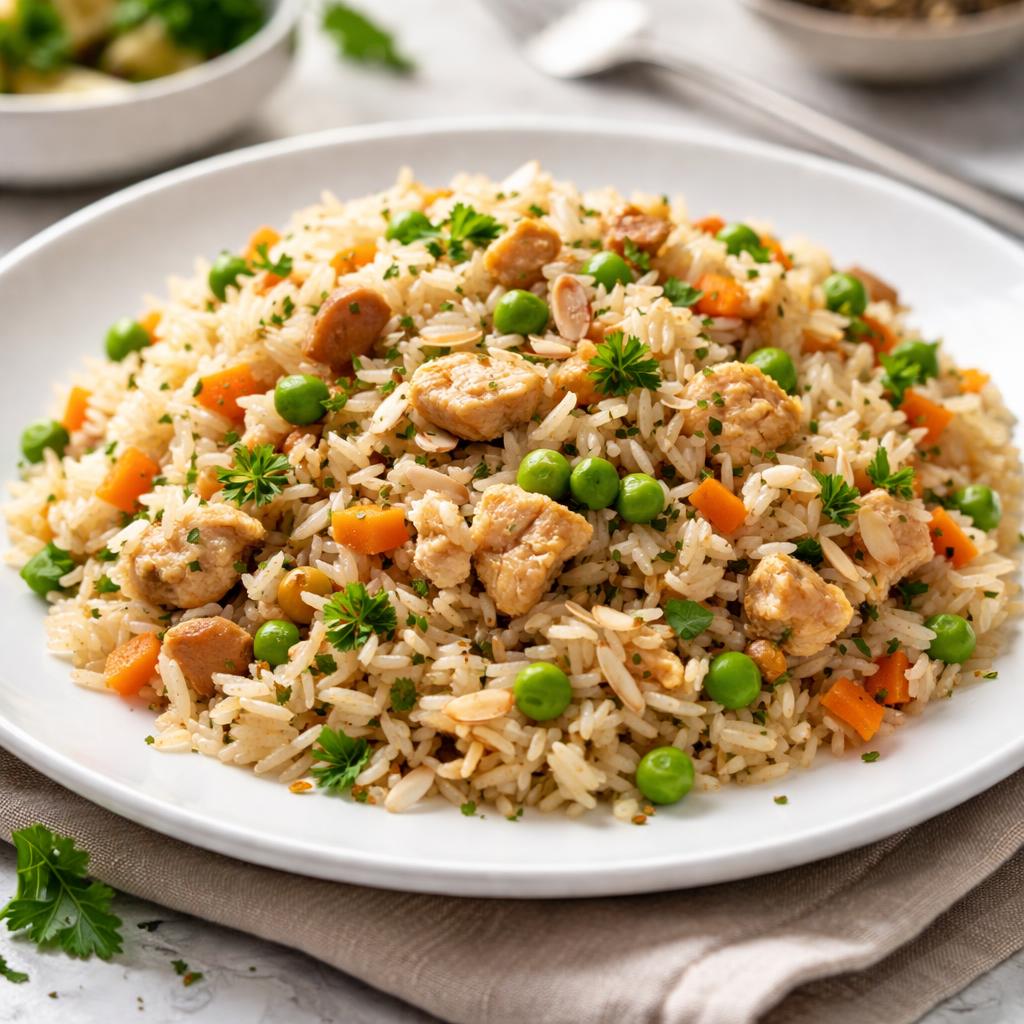
Rice Pilaf
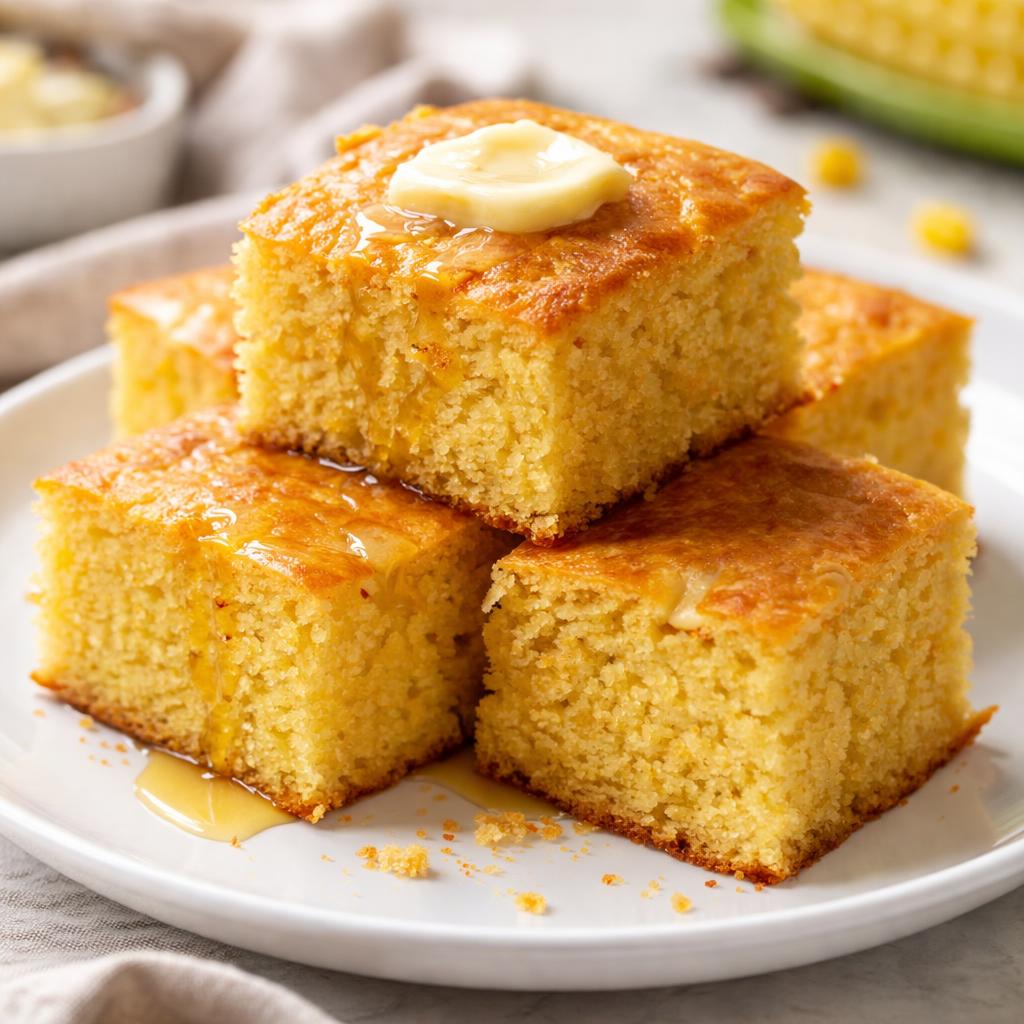
Corn Bread
🎯 Quick Verdict
Rice pilaf has fewer calories, more protein, and higher fiber content compared to cornbread. Cornbread, however, is richer in healthy fats and provides slightly more minerals. Rice pilaf is better for weight management and digestion, while cornbread is ideal for energy-dense meals or pairing with stews and soups for added flavor and texture.

Smart Nutrition Tracking with SnapCalorie

📊 Nutritional Comparison
Macronutrients
| Nutrient | Food 1 | Food 2 | Winner |
|---|---|---|---|
| Calories | 200 | 250 | ✓ |
| Protein | 5g | 3g | ✓ |
| Carbs | 35g | 33g | ✓ |
| Fat | 4g | 11g | ✓ |
| Fiber | 2g | 1g | ✓ |
Vitamins & Minerals
| Nutrient | Food 1 | Food 2 | Winner |
|---|---|---|---|
| Vitamin D | 0mcg | 1mcg | ✓ |
| Calcium | 20mg | 90mg | ✓ |
| Iron | 1mg | 0.6mg | ✓ |
🏆 Category Winners
Protein
Rice pilaf has 66% more protein per serving compared to cornbread.
Fiber
Rice pilaf contains double the fiber of cornbread per serving.
Calories
Rice pilaf is 20% lower in calories, making it a lighter option.
🥗 Diet Compatibility
Keto
Food 1: Not Compatible
Food 2: Not Compatible
Both foods are high in carbohydrates.
Vegan
Food 1: Compatible
Food 2: Not Compatible
Rice pilaf can be made vegan, while cornbread often contains dairy or eggs.
Gluten Free
Food 1: Compatible
Food 2: Not Compatible
Rice is naturally gluten-free, while cornbread typically contains wheat flour.
Paleo
Food 1: Not Compatible
Food 2: Not Compatible
Neither fits paleo restrictions due to grains and refined ingredients.
Low-Carb
Food 1: Not Compatible
Food 2: Not Compatible
Both foods are high in carbohydrates and not suitable for a low-carb lifestyle.
💪 Health Benefits Comparison
Food 1 Benefits
- Lower in calories, aiding weight management
- Good source of iron for healthy blood function
- Provides moderate fiber for digestive health
- Versatile for multiple dishes, improving nutrient variety
Food 2 Benefits
- Energy-dense and ideal for physically active individuals
- Good source of calcium for bone health
- Contains fat-soluble vitamins for overall wellness
- Pairs well with protein-rich foods for balanced meals
✅ The Bottom Line
Rice pilaf is a better choice for those seeking a lower-calorie, higher-protein, and fiber-rich option for weight management and digestion. Cornbread, on the other hand, shines as an energy-dense food with healthy fats, calcium, and versatility for pairing with hearty dishes. Choose rice pilaf for lighter meals or balanced bowls and cornbread for energy-rich meals or as a flavorful side dish.
Choose Food 1 for: Weight management, digestion, lighter and balanced meals
Choose Food 2 for: Pairing with soups, energy-dense meals, and flavor-rich side dishes


