Rice Noodles VS Udon Noodles
A detailed nutritional comparison
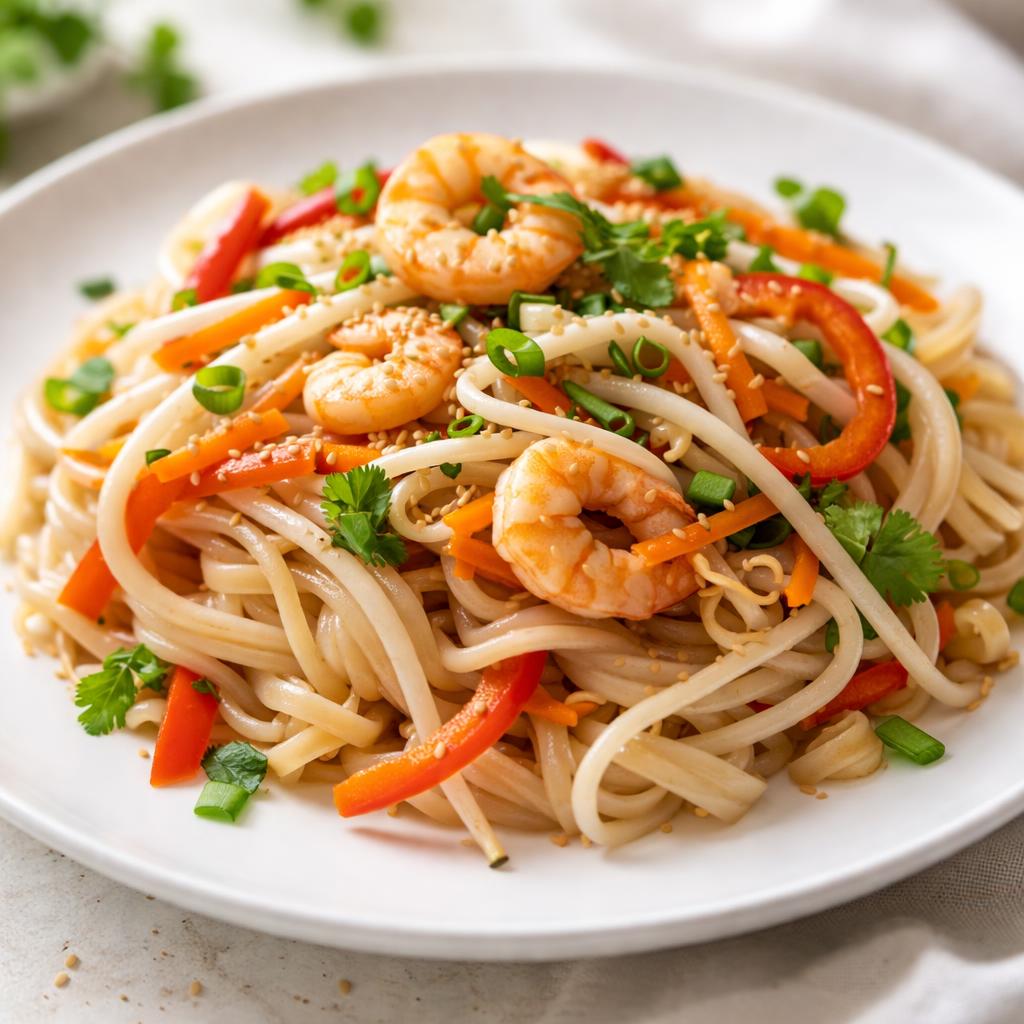
Rice Noodles
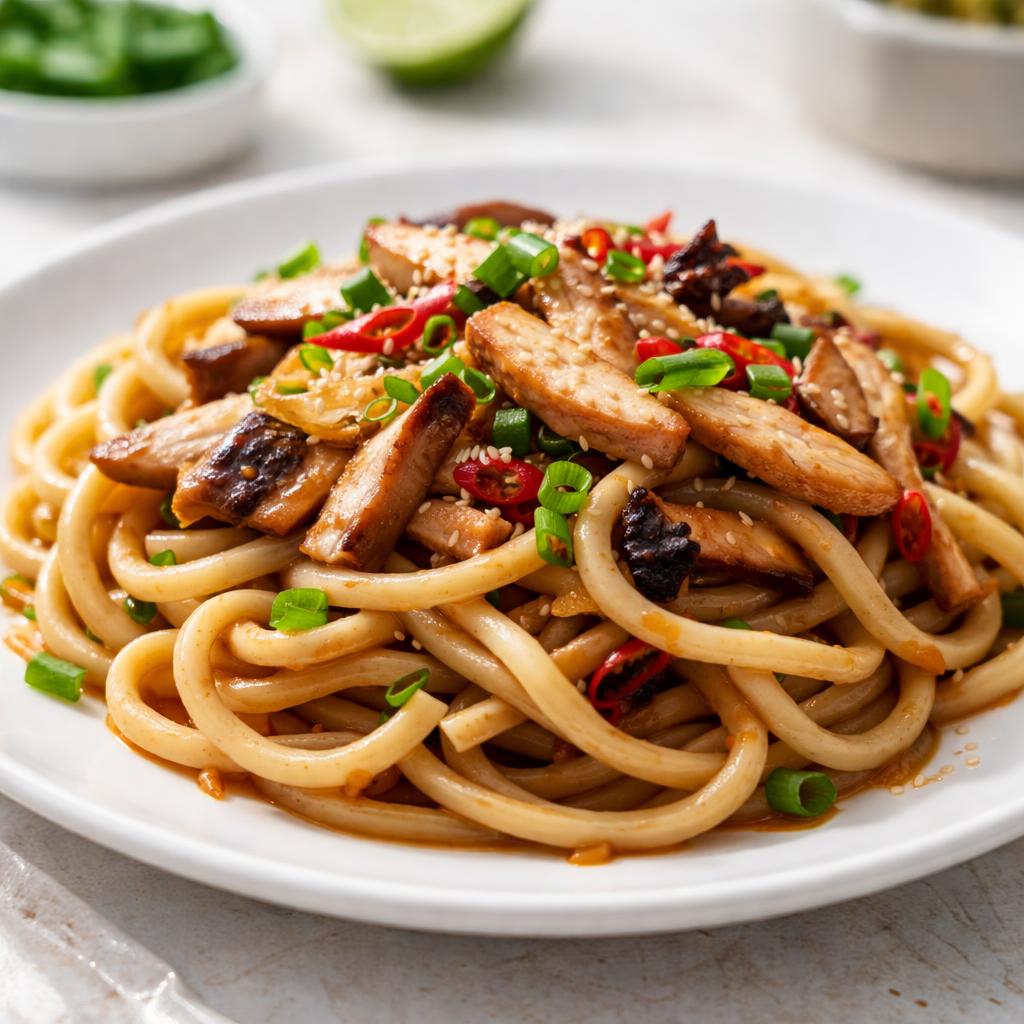
Udon Noodles
🎯 Quick Verdict
Rice noodles are lighter in calories and carbs, making them suitable for low-calorie and moderate-carb diets. Udon noodles offer slightly higher protein and fiber content, providing better satiety and digestive benefits for more balanced meals. Each stands out depending on the dietary goal and culinary use.

Smart Nutrition Tracking with SnapCalorie

📊 Nutritional Comparison
Macronutrients
| Nutrient | Food 1 | Food 2 | Winner |
|---|---|---|---|
| Calories | 192 kcal (per 1 cup, cooked) | 210 kcal (per 1 cup, cooked) | − |
| Protein | 2.8g | 6g | − |
| Carbs | 43g | 42g | − |
| Fat | 0.4g | 1g | − |
| Fiber | 0.9g | 2g | − |
Vitamins & Minerals
| Nutrient | Food 1 | Food 2 | Winner |
|---|---|---|---|
| Vitamin B6 | 0.02mg | 0.06mg | − |
| Iron | 0.1mg | 1mg | − |
| Magnesium | 4mg | 8mg | − |
🏆 Category Winners
Protein
Udon noodles contain over twice the protein content compared to rice noodles.
Fiber
Udon noodles have more than double the fiber content.
Calories
Rice noodles have a marginally lower calorie content per serving.
Vitamins
Udon noodles have greater iron, magnesium, and vitamin B6 levels.
🥗 Diet Compatibility
Keto
Food 1: Not Compatible
Food 2: Not Compatible
Both are high in carbs.
Vegan
Food 1: Compatible
Food 2: Compatible
Neither contains animal-based ingredients.
Gluten Free
Food 1: Compatible
Food 2: Not Compatible
Rice noodles are naturally gluten-free, but udon noodles are made with wheat flour.
Paleo
Food 1: Not Compatible
Food 2: Not Compatible
Neither fits paleo guidelines due to processed grains.
Low Carb
Food 1: Not Compatible
Food 2: Not Compatible
Both have high carbohydrate content.
💪 Health Benefits Comparison
Food 1 Benefits
- Lower in calories for weight management
- Easy to digest for sensitive stomachs
- Free of gluten for those with gluten intolerance
Food 2 Benefits
- Higher protein content to support muscle maintenance
- Contains fiber to aid digestion
- Rich in essential minerals such as iron and magnesium for overall health
✅ The Bottom Line
Rice noodles are ideal for lighter meals, especially for those on gluten-free diets or looking to reduce calorie intake. Udon noodles provide better protein and fiber, making them a more filling and nutrient-dense choice for balanced meals. Use rice noodles for quick stir-fries or lighter dishes, and opt for udon noodles in soups or energy-rich meals.
Choose Food 1 for: Weight loss, gluten-free diets, light stir-fries
Choose Food 2 for: Higher protein needs, heartier soups, nutrient-dense balanced meals


