Rice Noodles VS Quaker Oats
A detailed nutritional comparison
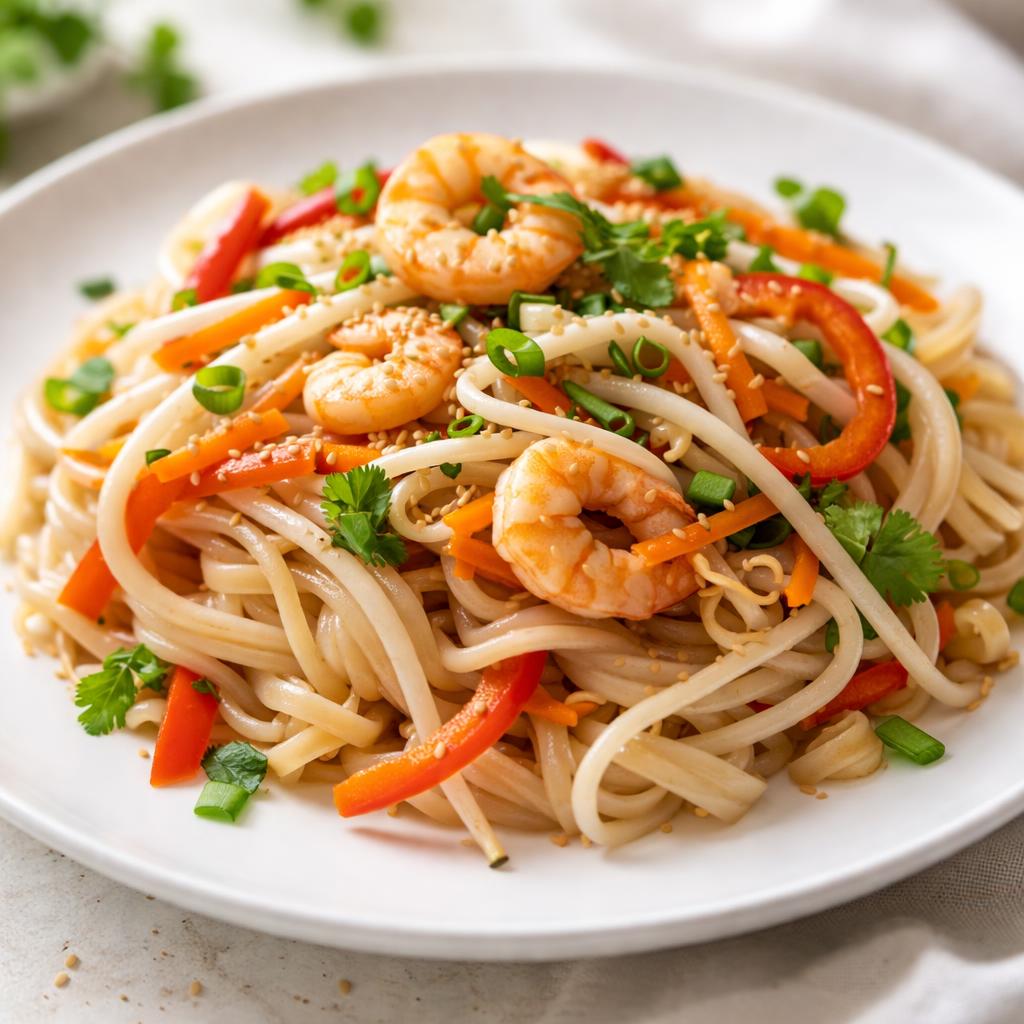
Rice Noodles
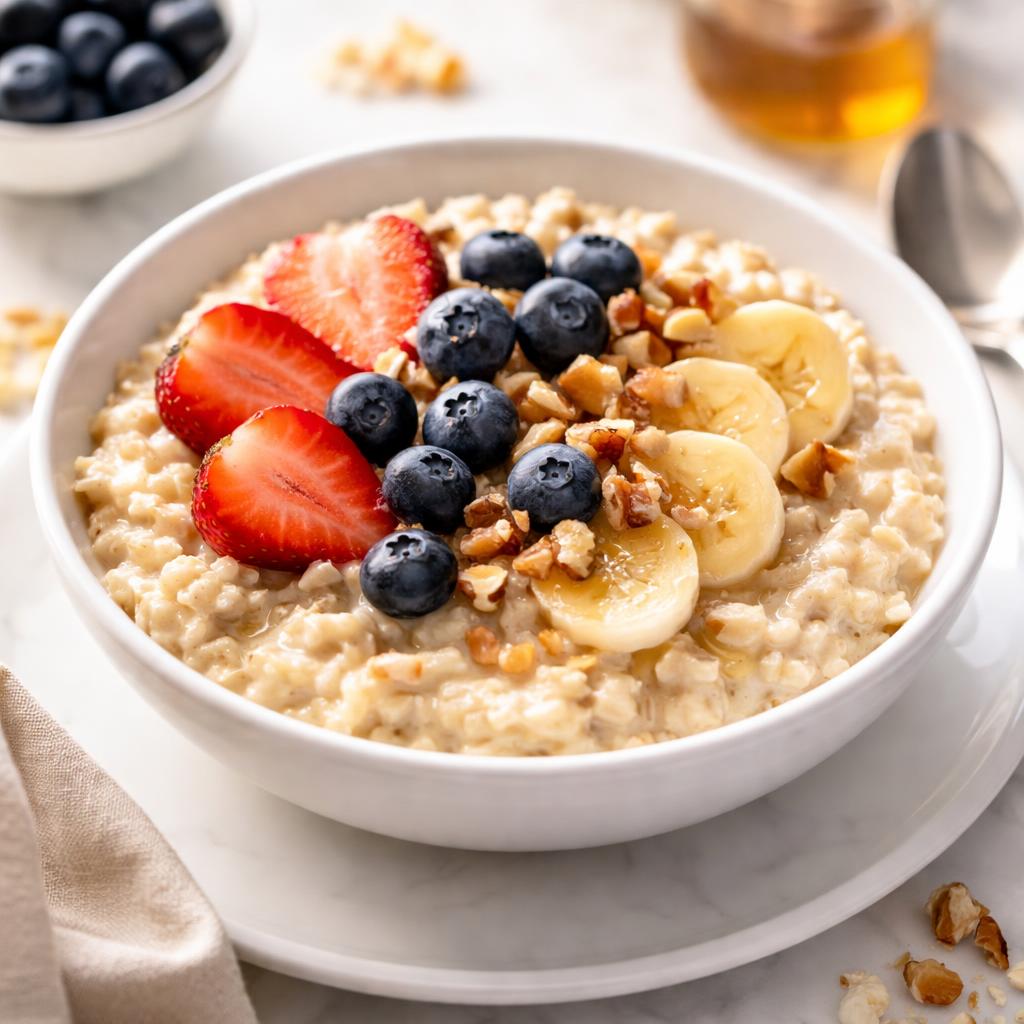
Quaker Oats
🎯 Quick Verdict
Rice noodles and Quaker oats are nutritionally distinct: oats are higher in protein, fiber, and various vitamins compared to rice noodles, which are primarily a source of simple carbohydrates. Rice noodles work well for quick, light meals or energy bursts, while Quaker oats are better for sustained energy, heart health, and overall nutrient density.

Smart Nutrition Tracking with SnapCalorie

📊 Nutritional Comparison
Macronutrients
| Nutrient | Food 1 | Food 2 | Winner |
|---|---|---|---|
| Calories | 210 (per 1 cup cooked) | 150 (per 1/2 cup dry) | ✓ |
| Protein | 3g | 5g | ✓ |
| Carbs | 45g | 27g | ✓ |
| Fat | 0.5g | 3g | ✓ |
| Fiber | 0.9g | 4g | ✓ |
Vitamins & Minerals
| Nutrient | Food 1 | Food 2 | Winner |
|---|---|---|---|
| Iron | 0.2mg | 1.7mg | ✓ |
| Magnesium | 6mg | 57mg | ✓ |
| Vitamin B6 | 0mg | 0.03mg | ✓ |
🏆 Category Winners
Protein
Oats provide 66% more protein per serving compared to rice noodles.
Fiber
Quaker oats have over 4x the fiber of rice noodles, aiding digestion.
Calories
Though oats have a smaller portion size, they contain fewer calories overall.
Vitamins
Oats offer higher levels of essential vitamins like iron and magnesium.
🥗 Diet Compatibility
Keto
Food 1: Not Compatible
Food 2: Not Compatible
Both are high-carb foods and unsuitable for ketogenic diets.
Vegan
Food 1: Compatible
Food 2: Compatible
Both foods are entirely plant-based.
Gluten Free
Food 1: Compatible
Food 2: May contain gluten
Rice noodles are inherently gluten-free, but oats may be cross-contaminated unless labeled gluten-free.
Paleo
Food 1: Not Compatible
Food 2: Not Compatible
Both are grain-based, which is not suitable for paleo diets.
Low-Carb
Food 1: Not Compatible
Food 2: Not Compatible
Both foods are carbohydrate-dense and unsuitable for low-carb diets.
💪 Health Benefits Comparison
Food 1 Benefits
- Quick energy source from carbohydrates
- Low in fat for lightweight meals
- Easy to digest, suitable for sensitive stomachs
Food 2 Benefits
- High fiber content supports digestive health
- Contains beta-glucans which promote heart health
- Good source of protein for muscle maintenance
- Rich in magnesium for bone and nerve health
✅ The Bottom Line
Choose rice noodles for fast, light meals or dishes requiring quick carbohydrate energy, like stir-fries or soups. Opt for Quaker oats to boost protein, fiber, and vitamin intake, especially for heart health and sustained energy. Oats are ideal for breakfast or snacks while rice noodles are better for main meals requiring versatility.
Choose Food 1 for: Quick meals, energy boost, sensitive stomachs
Choose Food 2 for: Heart health, sustained energy, nutrient density


