Rice Noodles VS Macaroni Pasta
A detailed nutritional comparison
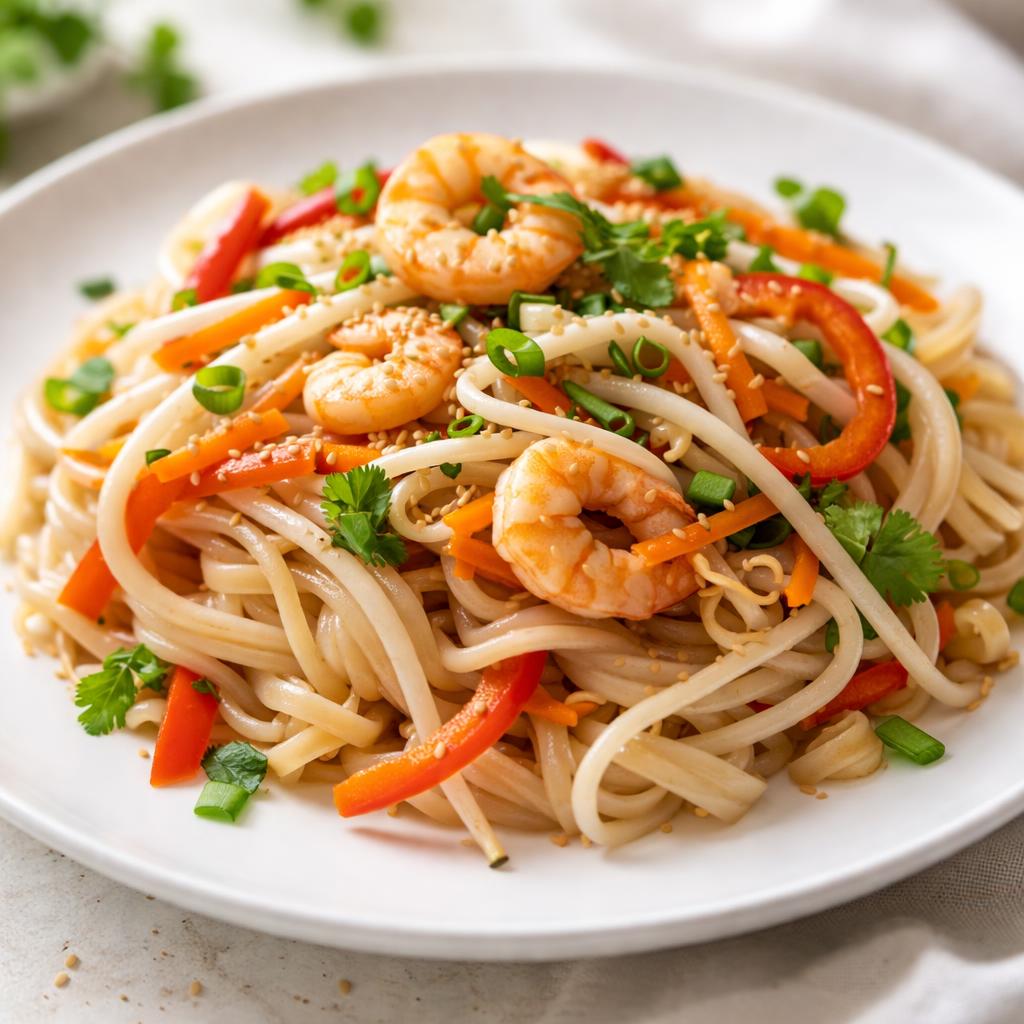
Rice Noodles
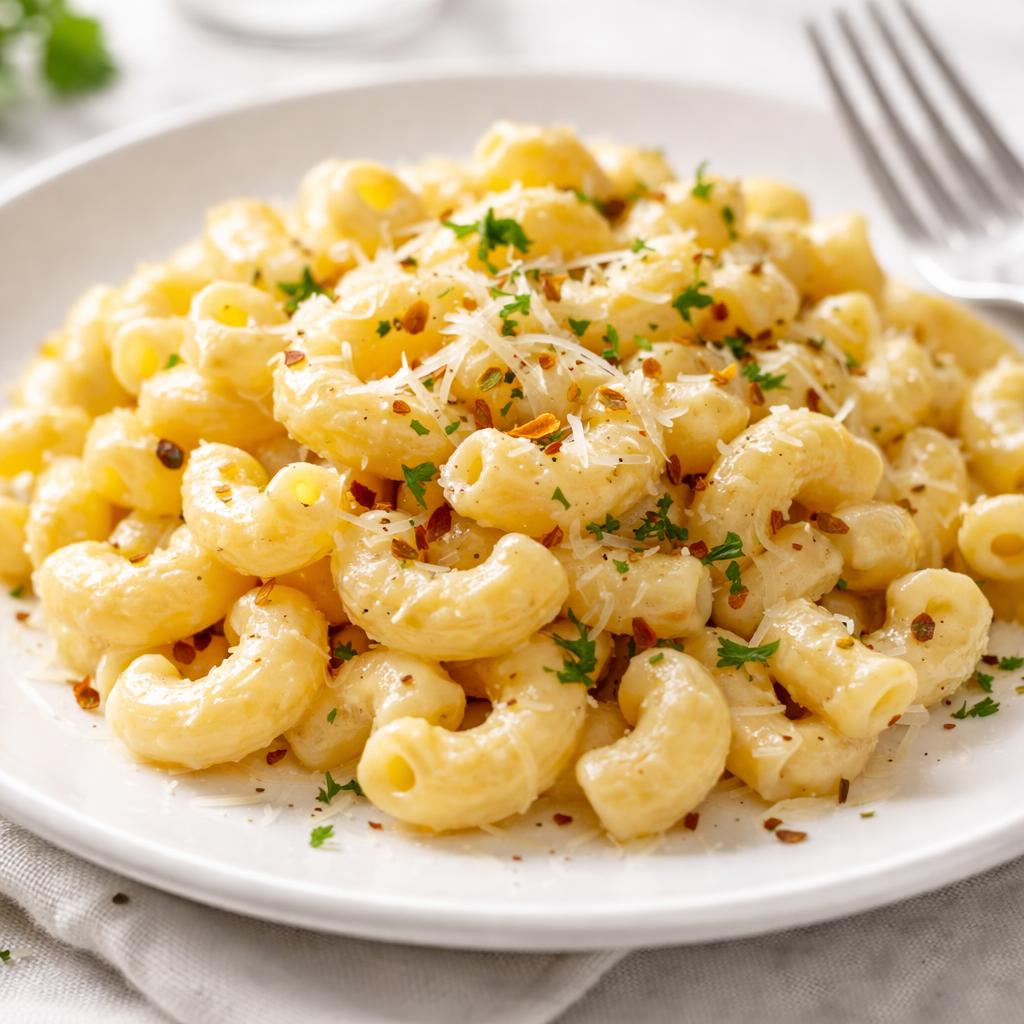
Macaroni Pasta
🎯 Quick Verdict
Macaroni pasta, made from wheat flour, generally offers more protein and fiber than rice noodles, which consist primarily of rice flour and are lower in both of these nutrients. However, rice noodles have fewer calories and are gluten-free, making them suitable for certain dietary restrictions. Macaroni pasta, on the other hand, is ideal for those seeking higher nutritional density and sustained energy during physical activities or busy days.

Smart Nutrition Tracking with SnapCalorie

📊 Nutritional Comparison
Macronutrients
| Nutrient | Food 1 | Food 2 | Winner |
|---|---|---|---|
| Calories | 190 per cup (cooked) | 220 per cup (cooked) | ✓ |
| Protein | 3g | 7g | ✓ |
| Carbs | 42g | 43g | − |
| Fat | 0.4g | 1.3g | ✓ |
| Fiber | 0.6g | 2g | ✓ |
Vitamins & Minerals
| Nutrient | Food 1 | Food 2 | Winner |
|---|---|---|---|
| Vitamin B1 (Thiamine) | 0mg | 0.2mg | ✓ |
| Folate | 0.4mcg | 48mcg | ✓ |
| Iron | 0.2mg | 1mg | ✓ |
🏆 Category Winners
Protein
Macaroni pasta has over twice the protein (7g vs 3g).
Fiber
Macaroni pasta is higher in fiber than rice noodles (2g vs 0.6g).
Calories
Rice noodles are lower in calories per serving (190 vs 220).
Vitamins
Macaroni pasta is fortified with B vitamins and iron, making it nutritionally denser.
🥗 Diet Compatibility
Keto
Food 1: Not Compatible
Food 2: Not Compatible
Both foods are high in carbohydrates.
Vegan
Food 1: Compatible
Food 2: Compatible
Both foods are plant-based.
Gluten Free
Food 1: Compatible
Food 2: Not Compatible
Rice noodles are naturally gluten-free, whereas macaroni pasta typically contains gluten.
Paleo
Food 1: Not Compatible
Food 2: Not Compatible
Both are processed foods unsuitable for paleo diets.
Low-Carb
Food 1: Not Compatible
Food 2: Not Compatible
Both are high in carbs, not ideal for low-carb diets.
💪 Health Benefits Comparison
Food 1 Benefits
- Lower calorie content for weight management
- Naturally gluten-free, suitable for celiac diets
- Light and gentle on digestion
Food 2 Benefits
- Rich in protein for muscle repair and energy
- Contains B vitamins for energy metabolism
- Higher fiber content for improved digestion
✅ The Bottom Line
Choose rice noodles for a lighter, gluten-free option or if you’re aiming to reduce calorie intake. Select macaroni pasta for higher protein and fiber, making it a better choice for active individuals and those seeking improved nutritional density.
Choose Food 1 for: Gluten-free diets, calorie reduction, light meals
Choose Food 2 for: Active lifestyles, nutrient-dense meals, post-workout recovery


