Rice Noodles VS Glass Noodles
A detailed nutritional comparison
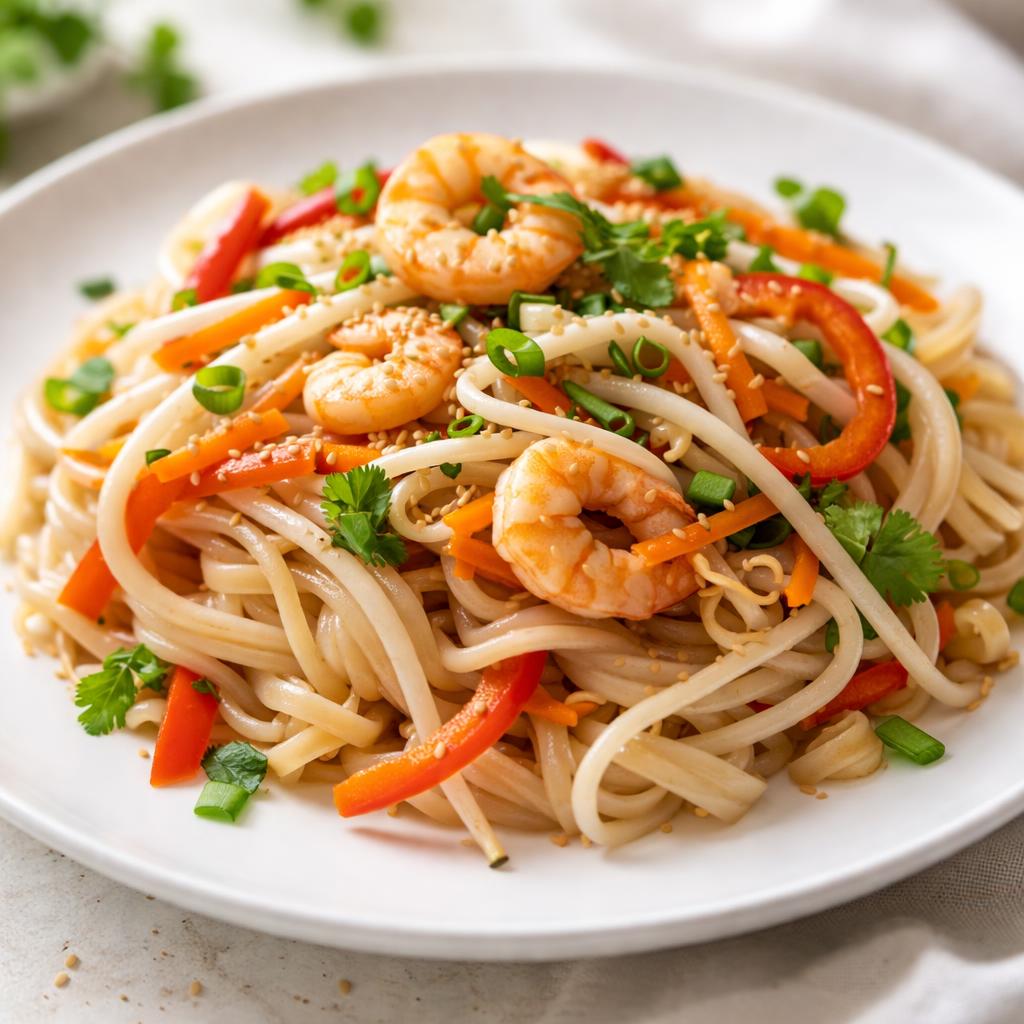
Rice Noodles
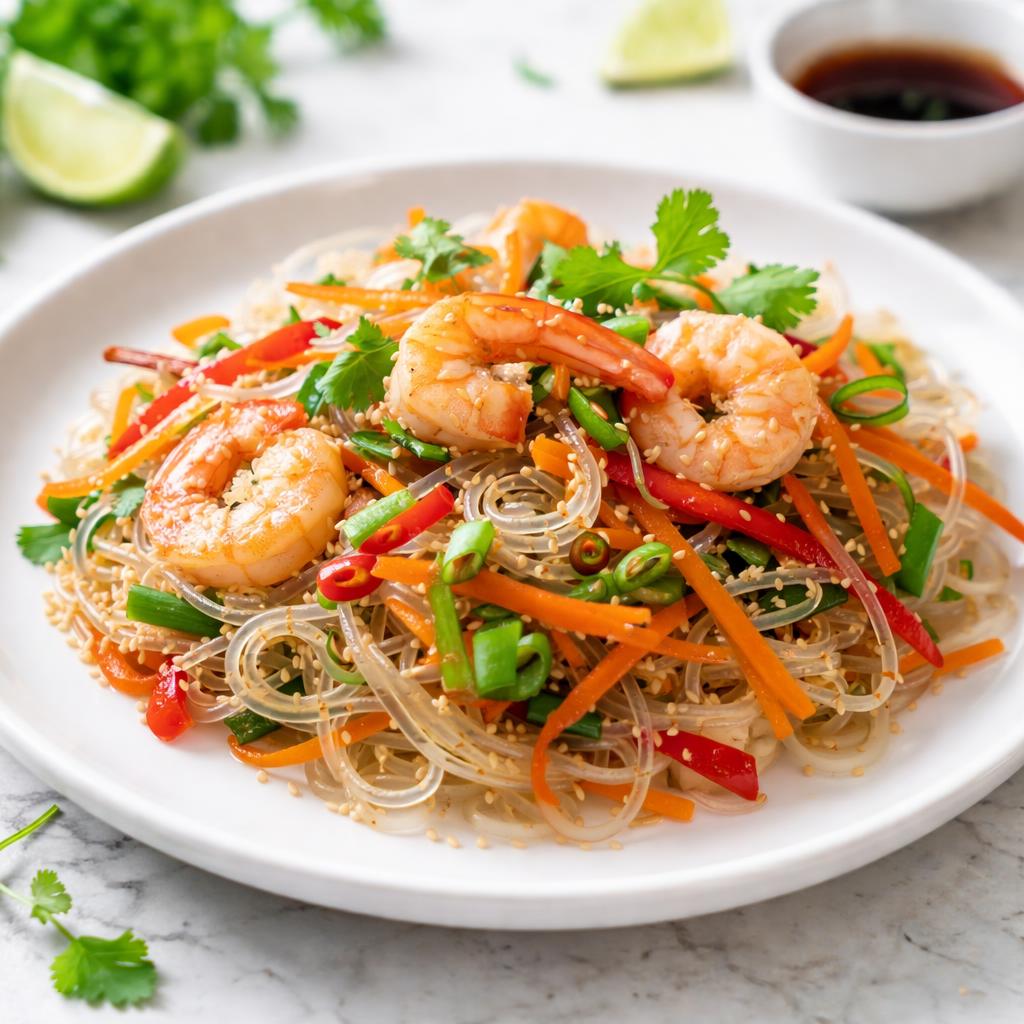
Glass Noodles
🎯 Quick Verdict
Rice noodles and glass noodles are both gluten-free, low-protein carb options, but they differ in calories, fiber, and use cases. Rice noodles have slightly more fiber and nutrients, making them better for digestion, while glass noodles are lower in calories and suitable for weight-conscious meals. Both are versatile choices for Asian dishes or gluten-free diets.

Smart Nutrition Tracking with SnapCalorie

📊 Nutritional Comparison
Macronutrients
| Nutrient | Food 1 | Food 2 | Winner |
|---|---|---|---|
| Calories | 190 | 160 | ✓ |
| Protein | 3g | 3g | − |
| Carbs | 42g | 39g | ✓ |
| Fat | 0.5g | 0g | ✓ |
| Fiber | 1g | 0.5g | ✓ |
Vitamins & Minerals
| Nutrient | Food 1 | Food 2 | Winner |
|---|---|---|---|
| Vitamin D | 0mcg | 0mcg | − |
| Calcium | 40mg | 30mg | ✓ |
| Iron | 0.8mg | 0.2mg | ✓ |
🏆 Category Winners
Protein
Both provide an equal amount of 3g of protein per serving, which is minimal.
Fiber
Rice noodles contain double the fiber of glass noodles (1g vs 0.5g).
Calories
Glass noodles are slightly lower in calories, making them better for weight management.
🥗 Diet Compatibility
Keto
Food 1: Not Compatible
Food 2: Not Compatible
Both are high-carb foods and not suitable for ketogenic diets.
Vegan
Food 1: Compatible
Food 2: Compatible
Both are plant-based and suitable for vegan diets.
Gluten Free
Food 1: Compatible
Food 2: Compatible
Neither food contains gluten, making both good options for gluten-free diets.
Paleo
Food 1: Not Compatible
Food 2: Not Compatible
Both are processed noodles, disqualifying them from strict paleo diets.
Low Carb
Food 1: Not Compatible
Food 2: Not Compatible
Neither food is low-carb given their high carbohydrate content per serving.
💪 Health Benefits Comparison
Food 1 Benefits
- Provides a source of easily digestible energy
- Contains small amounts of fiber for digestion
- Gluten-free for individuals with celiac disease or gluten sensitivity
Food 2 Benefits
- Very low in fat for heart health
- Lower calorie option for weight-conscious diets
- Gluten-free and gentle on the digestive system
✅ The Bottom Line
Both rice noodles and glass noodles are great choices for gluten-free diets. Rice noodles are slightly better for digestion due to their higher fiber and nutrient profile, while glass noodles are lower-calorie, making them ideal for lighter meals. Your choice depends on your priorities—digestive health or caloric balance.
Choose Food 1 for: Digestive health, fiber intake, balanced meals
Choose Food 2 for: Weight management, lower calorie diets, light dishes


