Rice Noodles VS Flat Bread
A detailed nutritional comparison
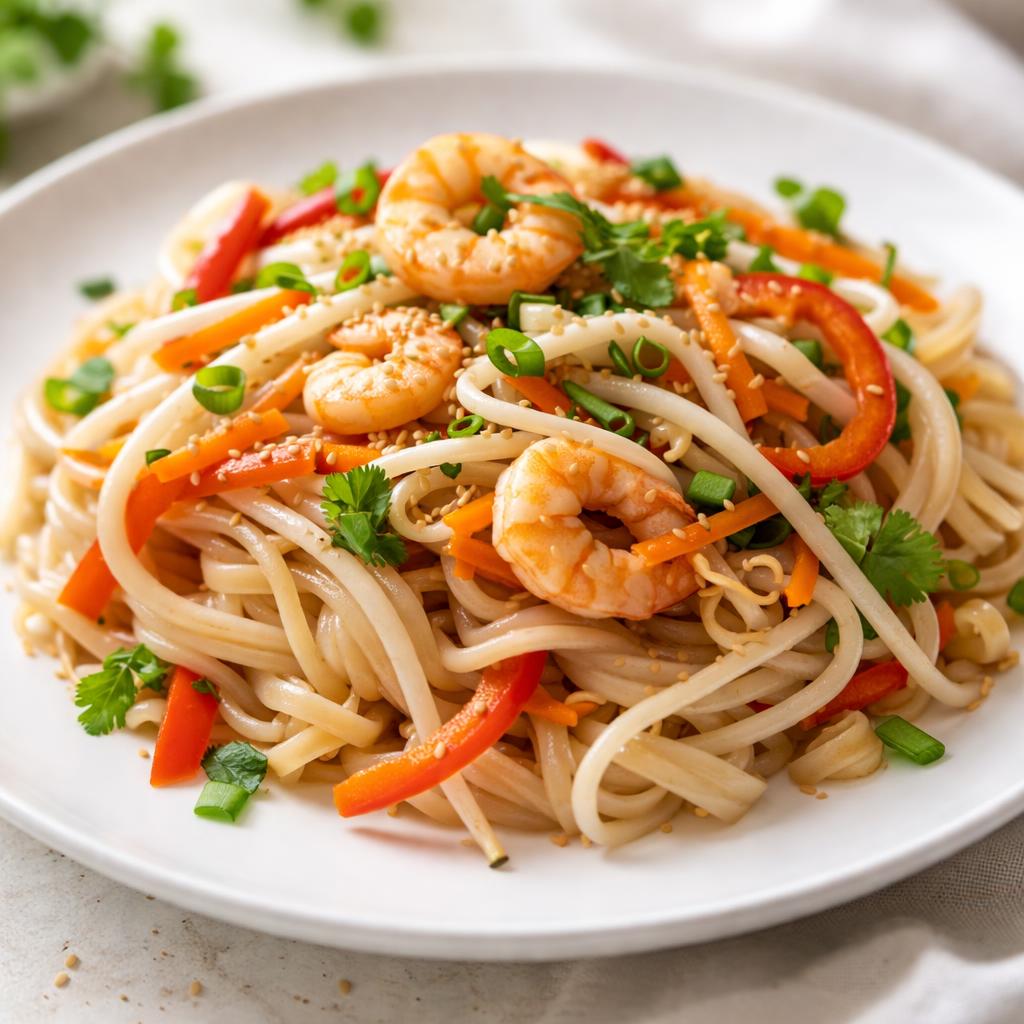
Rice Noodles
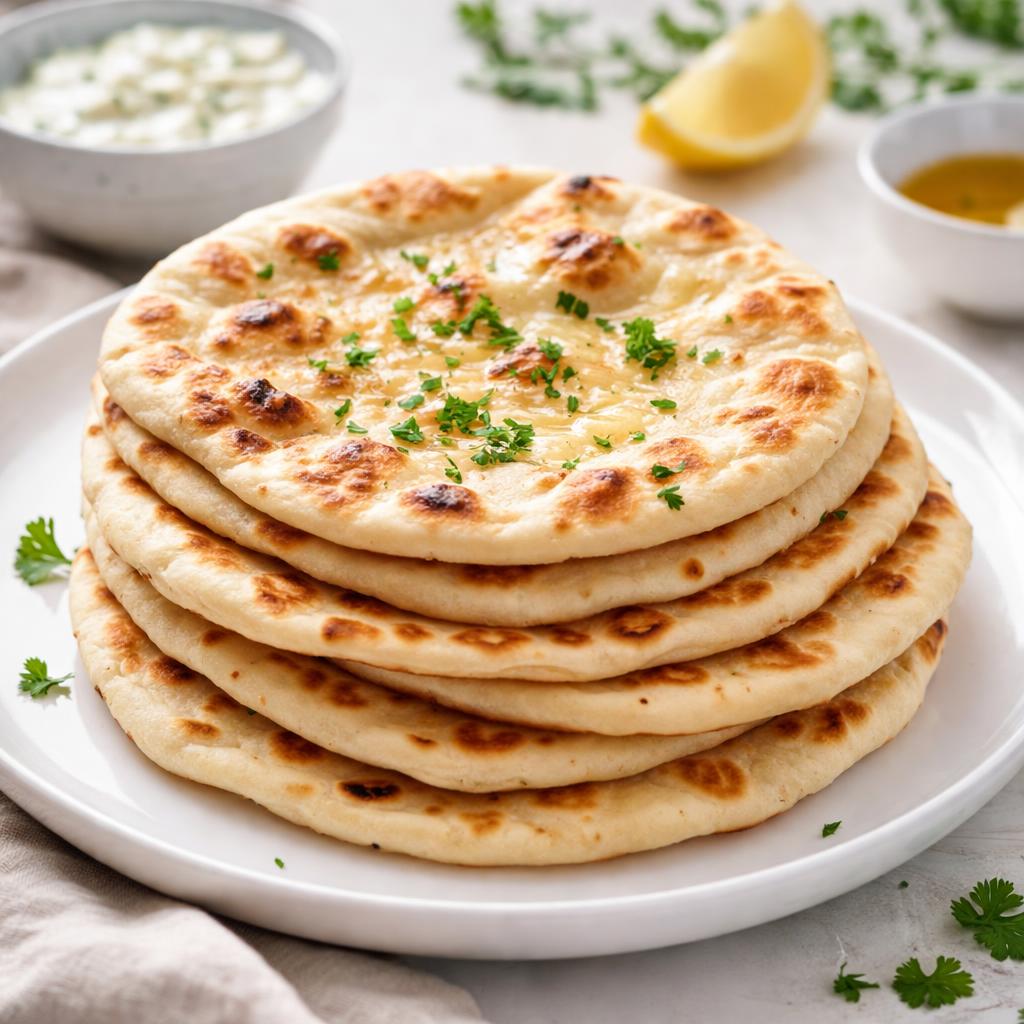
Flat Bread
🎯 Quick Verdict
Rice noodles contain fewer calories and carbs, making them a lighter option, while flat bread offers more protein and fiber. Rice noodles are best for gluten-free diets, while flat bread suits those seeking a higher nutrient density and satiety. Both are versatile choices depending on dietary goals.

Smart Nutrition Tracking with SnapCalorie

📊 Nutritional Comparison
Macronutrients
| Nutrient | Food 1 | Food 2 | Winner |
|---|---|---|---|
| Calories | 192 (per 100g) | 250 (per 100g) | ✓ |
| Protein | 3g | 8g | ✓ |
| Carbs | 43g | 45g | ✓ |
| Fat | 0.4g | 5g | ✓ |
| Fiber | 0.9g | 2.5g | ✓ |
Vitamins & Minerals
| Nutrient | Food 1 | Food 2 | Winner |
|---|---|---|---|
| Vitamin D | 0mcg | 0mcg | − |
| Calcium | 10mg | 20mg | ✓ |
| Iron | 0.3mg | 2mg | ✓ |
🏆 Category Winners
Protein
Flat bread has over twice the protein compared to rice noodles.
Fiber
Flat bread has nearly three times more fiber per serving.
Calories
Rice noodles are lower in calories, making them a lighter option.
Vitamins
Flat bread is more nutrient-dense with higher calcium and iron levels.
🥗 Diet Compatibility
Keto
Food 1: Not Compatible
Food 2: Not Compatible
Both are carb-heavy and not suitable for keto diets.
Vegan
Food 1: Compatible
Food 2: Compatible
Neither food contains animal products.
Gluten Free
Food 1: Compatible
Food 2: Not Compatible
Rice noodles are gluten-free, whereas flat bread typically contains gluten.
Paleo
Food 1: Not Compatible
Food 2: Not Compatible
Both are processed and do not fit paleo guidelines.
Low-Carb
Food 1: Not Compatible
Food 2: Not Compatible
Both foods are high in carbohydrates, exceeding low-carb thresholds.
💪 Health Benefits Comparison
Food 1 Benefits
- Low in calories for weight management
- Gluten-free for individuals with sensitivities
- Easily digestible for light meals
Food 2 Benefits
- Rich in protein to support muscle maintenance
- Contains healthy fats for satiety
- Higher fiber content aids in digestion
✅ The Bottom Line
Choose rice noodles for lighter, gluten-free meals, especially if focusing on weight management. Opt for flat bread if you need a nutrient-dense, filling option with higher protein and fiber. Both are versatile, so the choice depends on your dietary goals.
Choose Food 1 for: Weight management, gluten-free diets, light meals
Choose Food 2 for: Higher protein needs, digestion support, nutrient density


