Rice Noodles VS Chinese Noodles
A detailed nutritional comparison
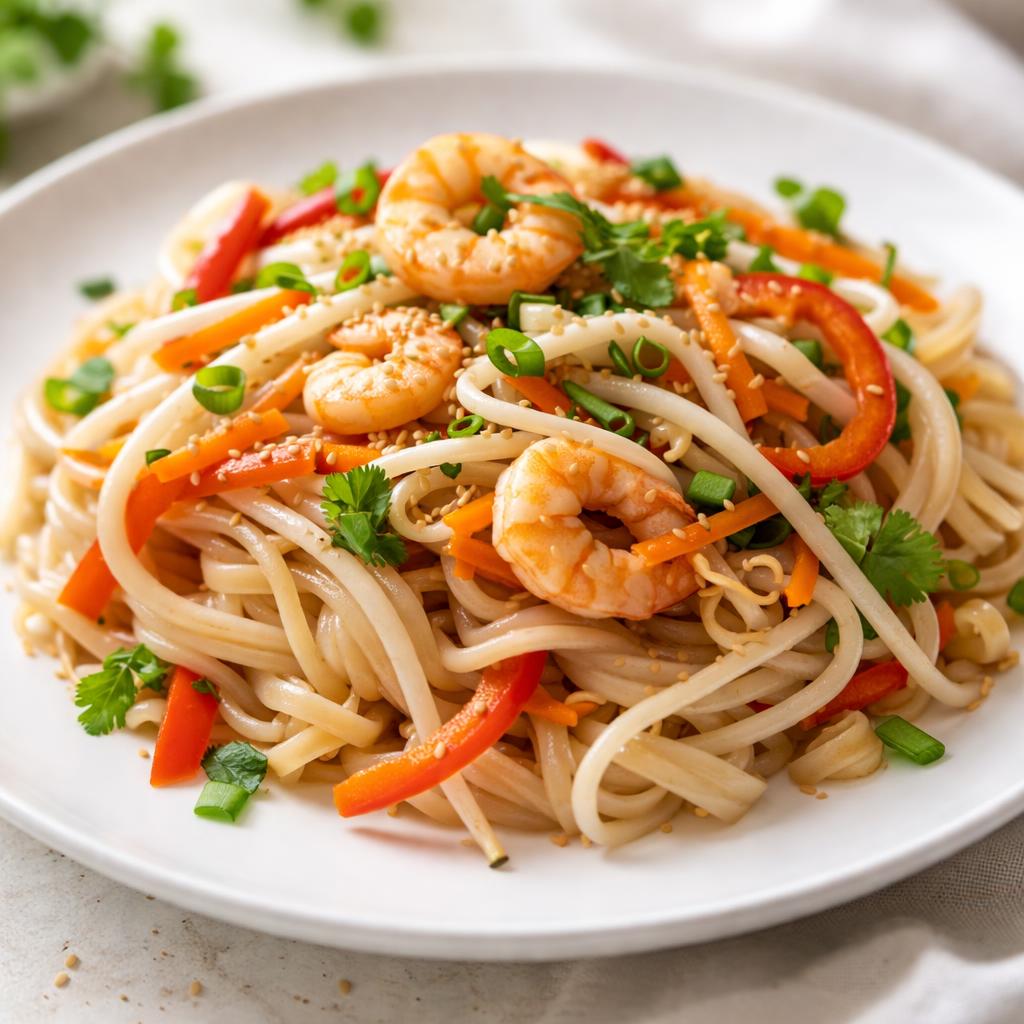
Rice Noodles
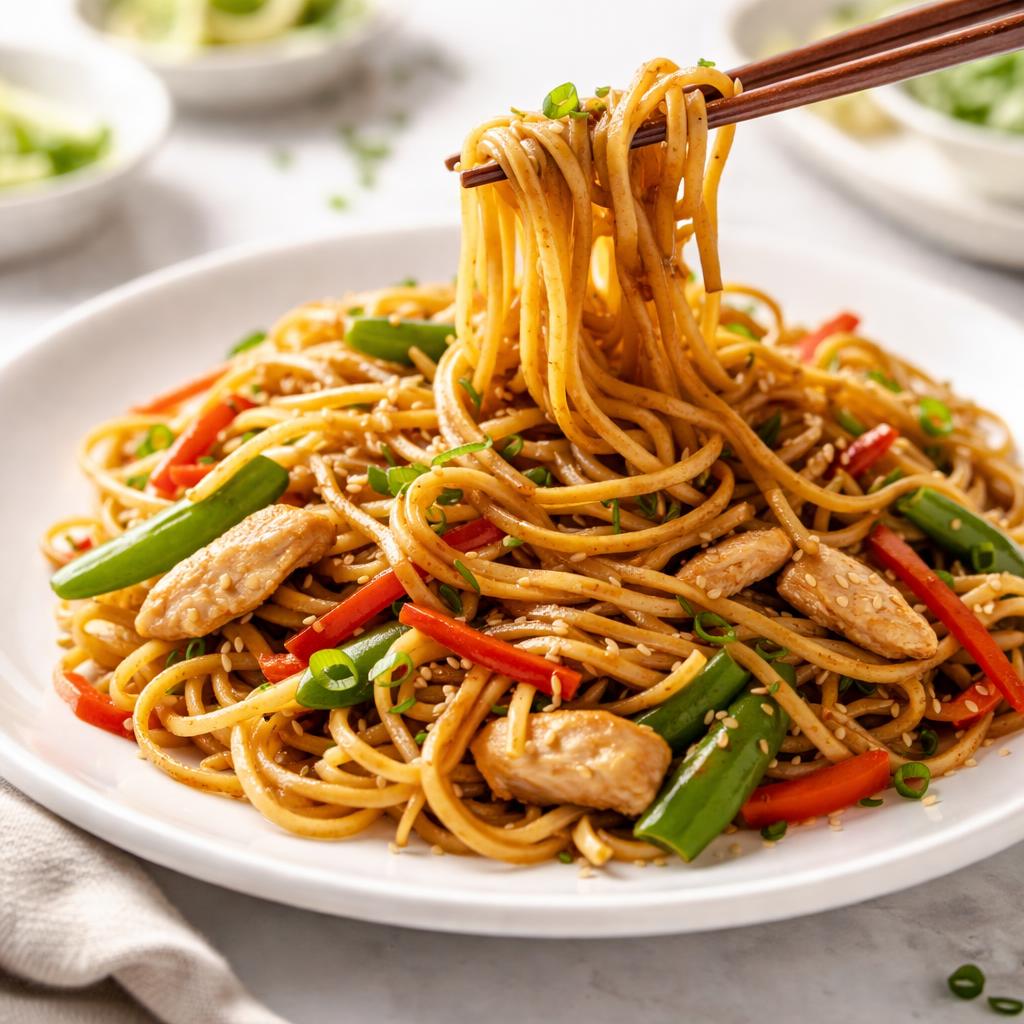
Chinese Noodles
🎯 Quick Verdict
Rice noodles and Chinese noodles differ significantly in their nutritional profiles. Rice noodles are lower in calories and free of gluten, making them a lighter choice. On the other hand, Chinese noodles offer more protein and fiber, making them a better option for sustained energy and digestion. Both have unique dietary applications depending on individual needs.

Smart Nutrition Tracking with SnapCalorie

📊 Nutritional Comparison
Macronutrients
| Nutrient | Food 1 | Food 2 | Winner |
|---|---|---|---|
| Calories | 190 | 220 | − |
| Protein | 3g | 7g | − |
| Carbs | 43g | 40g | − |
| Fat | 0.5g | 3g | − |
| Fiber | 1g | 2.5g | − |
Vitamins & Minerals
| Nutrient | Food 1 | Food 2 | Winner |
|---|---|---|---|
| Vitamin B6 | 0.1mg | 0.3mg | − |
| Folate | 10mcg | 30mcg | − |
| Iron | 0.3mg | 1.5mg | − |
🏆 Category Winners
Protein
Chinese noodles have over twice the protein compared to rice noodles.
Fiber
Chinese noodles contain 2.5g of fiber versus only 1g in rice noodles.
Calories
Rice noodles are 30 calories lower per serving than Chinese noodles.
🥗 Diet Compatibility
Keto
Food 1: Not Compatible
Food 2: Not Compatible
Both foods are high-carb and not suitable for keto.
Vegan
Food 1: Compatible
Food 2: Compatible
Both are plant-based options.
Gluten Free
Food 1: Compatible
Food 2: Not Compatible
Rice noodles are made from rice flour, while Chinese noodles typically contain wheat.
Paleo
Food 1: Not Compatible
Food 2: Not Compatible
Neither aligns fully with Paleo principles due to processed grains.
Low Carb
Food 1: Not Compatible
Food 2: Not Compatible
Both are primarily composed of carbohydrates.
💪 Health Benefits Comparison
Food 1 Benefits
- Lower calorie option for weight management
- Gluten-free for individuals with celiac or gluten intolerance
- Easy to digest for sensitive stomachs
Food 2 Benefits
- Higher protein content aids in muscle repair and energy
- Richer in fiber for improved digestion
- Provides more iron and folate for healthy red blood cell production
✅ The Bottom Line
Rice noodles are ideal for those seeking a gluten-free, low-calorie option, while Chinese noodles are a better choice for those needing extra protein and fiber. The choice depends on dietary goals and food tolerance.
Choose Food 1 for: Gluten-free diets, lower-calorie meals, light dishes
Choose Food 2 for: High-protein meals, energy sustenance, nutrient density


