Rice Cakes VS Pasta With Pesto
A detailed nutritional comparison
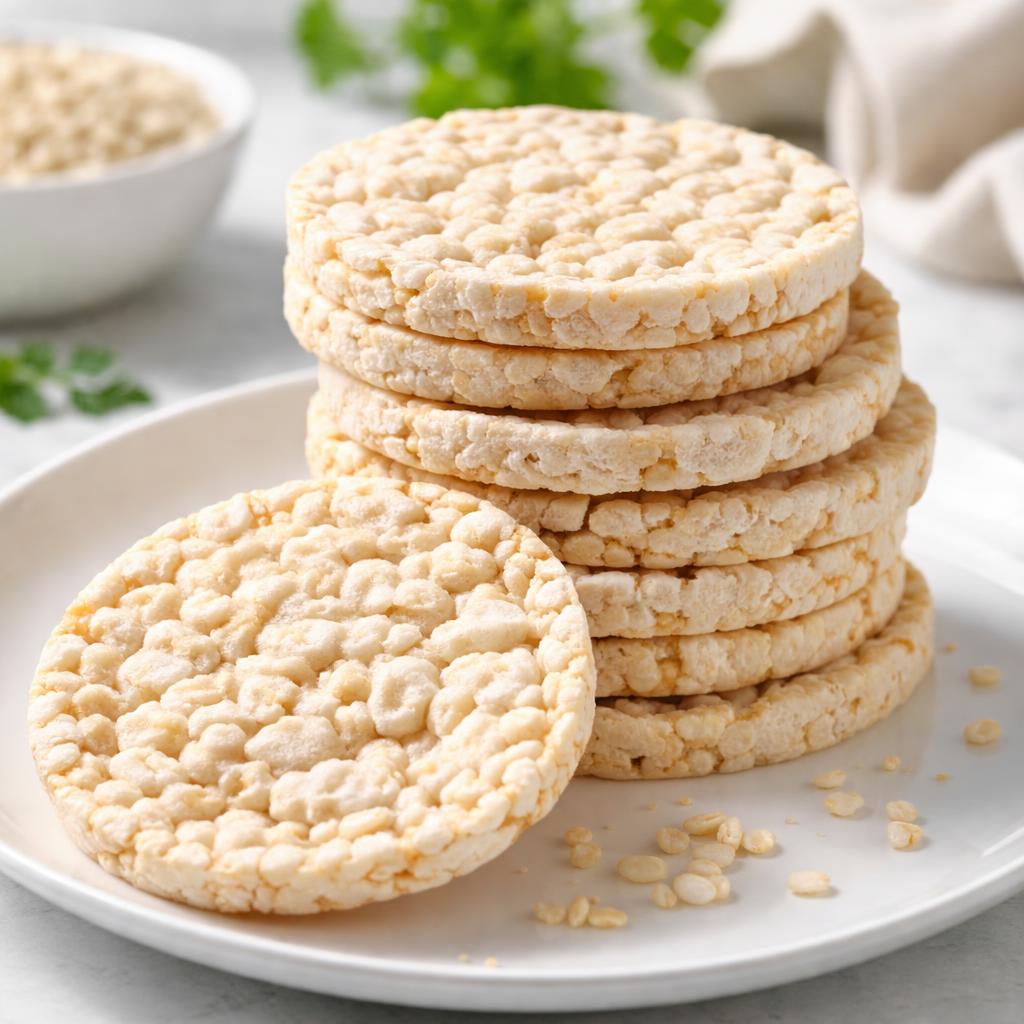
Rice Cakes
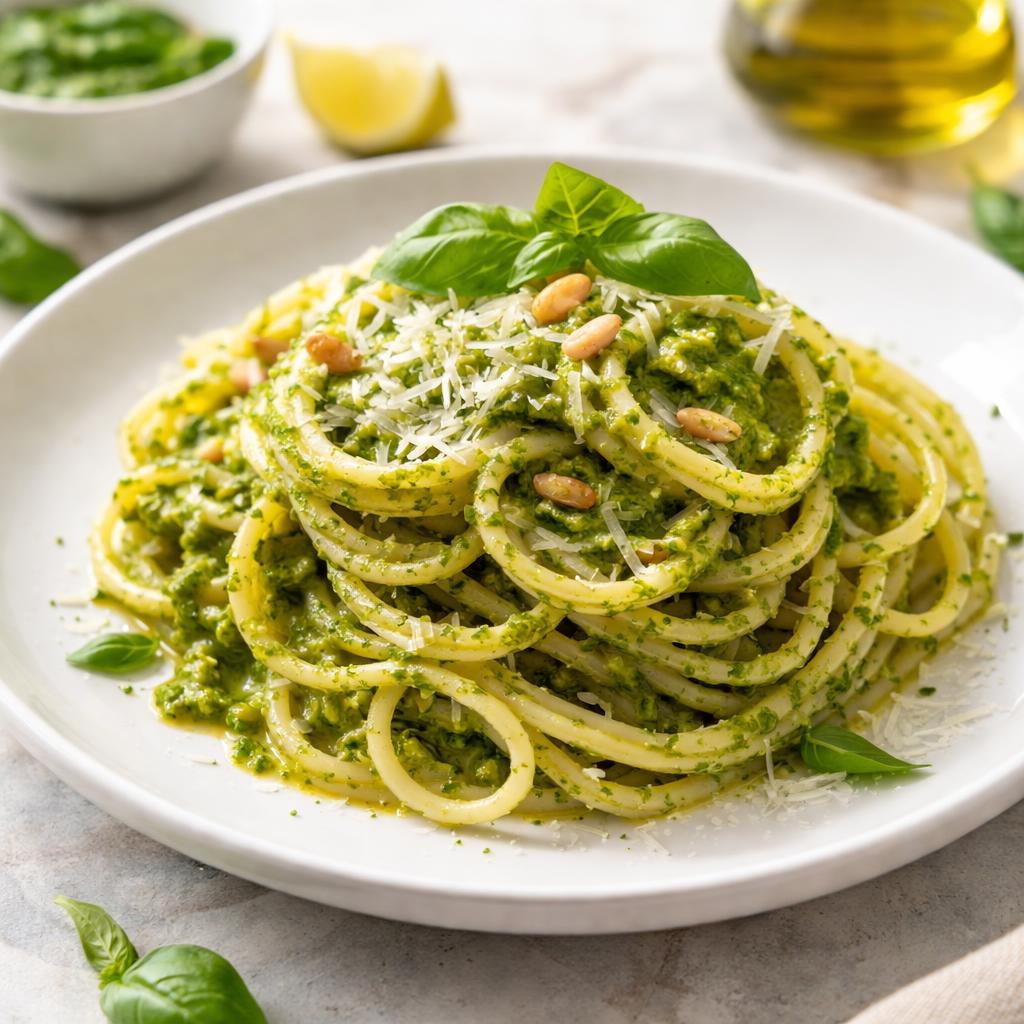
Pasta With Pesto
🎯 Quick Verdict
Rice cakes are lower in calories, making them a lightweight snack option, while pasta with pesto is calorie-dense but better for sustained energy due to higher protein, fiber, and fat content. Rice cakes are versatile for light meals or toppings, whereas pasta with pesto is more suitable for nutrient-rich, satisfying meals.

Smart Nutrition Tracking with SnapCalorie

📊 Nutritional Comparison
Macronutrients
| Nutrient | Food 1 | Food 2 | Winner |
|---|---|---|---|
| Calories | 35 per cake | 325 per serving (1 cup pasta + 2 tbsp pesto) | ✓ |
| Protein | 1g | 10g | ✓ |
| Carbs | 7g | 40g | ✓ |
| Fat | 0g | 15g | ✓ |
| Fiber | 0.2g | 2g | ✓ |
Vitamins & Minerals
| Nutrient | Food 1 | Food 2 | Winner |
|---|---|---|---|
| Vitamin D | 0mcg | 0mcg | − |
| Calcium | 5mg | 50mg | ✓ |
| Iron | 0mg | 1.5mg | ✓ |
🏆 Category Winners
Protein
Pasta with pesto has 10 times more protein compared to rice cakes.
Fiber
Pasta with pesto contains 10 times more fiber than rice cakes.
Calories
Rice cakes are significantly lower in calories, with only 35 per cake.
Vitamins
Pasta with pesto is higher in calcium and iron content.
🥗 Diet Compatibility
Keto
Food 1: Not Compatible
Food 2: Not Compatible
Both are high-carb and do not fit keto requirements.
Vegan
Food 1: Compatible
Food 2: Depends on pesto ingredients
Rice cakes are vegan, but pasta with pesto may contain cheese or other animal-based ingredients.
Gluten Free
Food 1: Depends on specific variety
Food 2: Not Compatible
Rice cakes can be gluten-free if made with rice only; traditional pasta contains gluten.
Paleo
Food 1: Not Compatible
Food 2: Not Compatible
Both foods are processed and not suitable for strict paleo diets.
Low-Carb
Food 1: Compatible
Food 2: Not Compatible
Rice cakes provide only 7g of carbs per unit, compared to 40g in pasta with pesto.
💪 Health Benefits Comparison
Food 1 Benefits
- Low in calories, ideal for weight loss
- Versatile snack option with additional toppings
- Minimal fat content for lighter meals
Food 2 Benefits
- Rich in protein for muscle maintenance
- Higher fiber content supports digestive health
- Contains healthy fats from pesto, beneficial for heart health
✅ The Bottom Line
Choose rice cakes for a low-calorie, quick snack that adapts to various dietary needs. Opt for pasta with pesto when you need a nutrient-dense, satisfying meal with balanced macros, suited for active individuals or post-workout recovery.
Choose Food 1 for: Weight loss, light snacks, calorie-controlled diets
Choose Food 2 for: Energy-demanding activities, balanced meals, muscle recovery


