Rice Cakes VS Cooked Quinoa
A detailed nutritional comparison
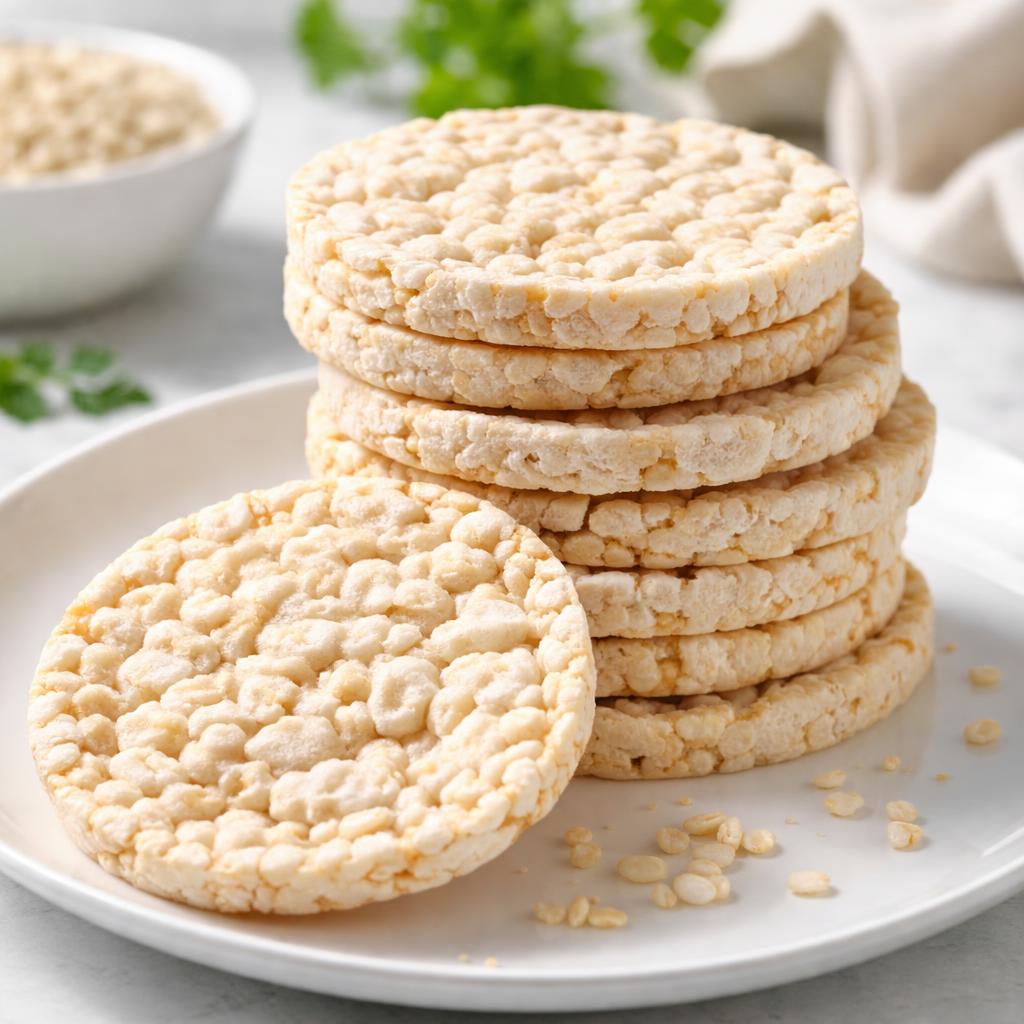
Rice Cakes
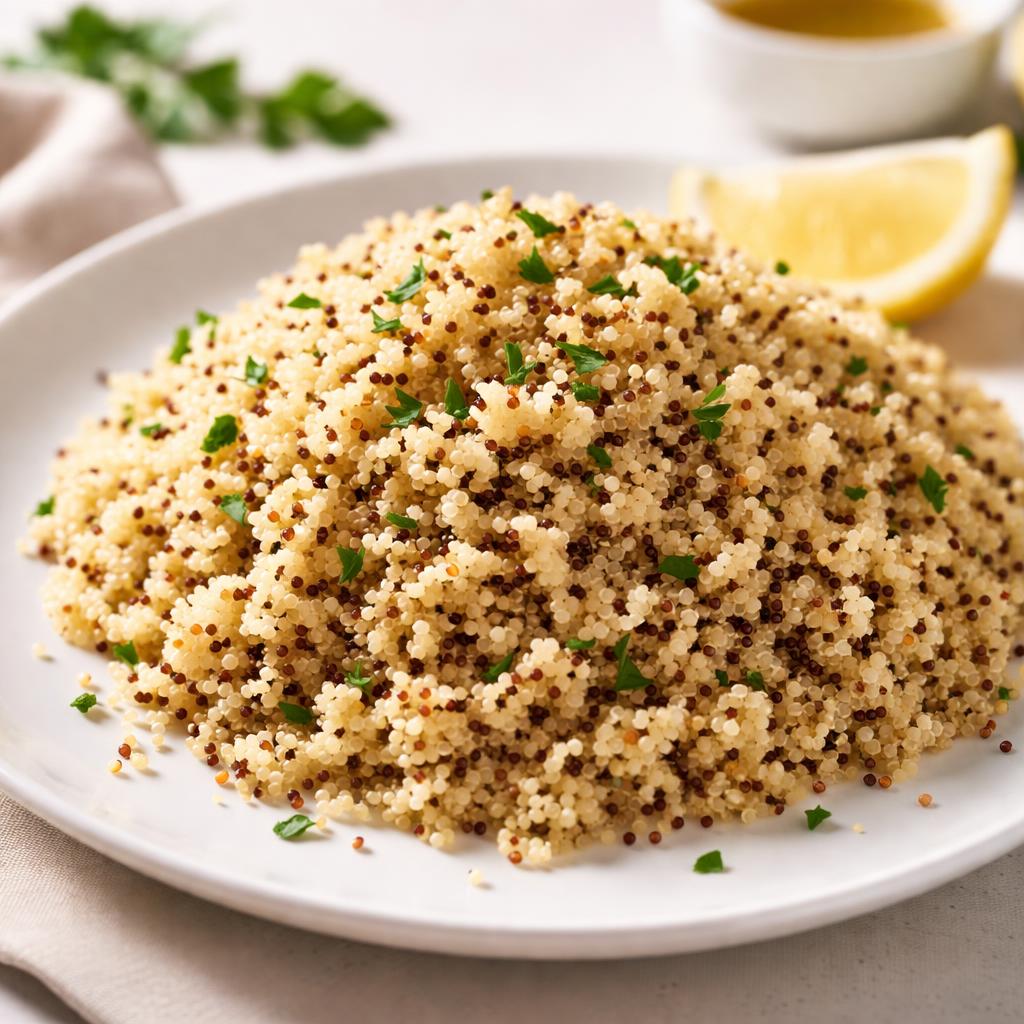
Cooked Quinoa
🎯 Quick Verdict
While rice cakes are a low-calorie snack option, quinoa offers more protein, fiber, and essential nutrients like iron and magnesium per serving. Rice cakes may be better for calorie-conscious snackers, whereas quinoa is ideal for those seeking a more nutrient-dense food with energy-sustaining benefits.

Smart Nutrition Tracking with SnapCalorie

📊 Nutritional Comparison
Macronutrients
| Nutrient | Food 1 | Food 2 | Winner |
|---|---|---|---|
| Calories | 35 per cake (8g) | 120 per 1/2 cup (92g) | ✓ |
| Protein | 0.7g | 4g | ✓ |
| Carbs | 7g | 21g | ✓ |
| Fat | 0g | 2g | ✓ |
| Fiber | 0g | 2.6g | ✓ |
Vitamins & Minerals
| Nutrient | Food 1 | Food 2 | Winner |
|---|---|---|---|
| Iron | 0mg | 1.4mg | ✓ |
| Magnesium | 0mg | 64mg | ✓ |
| Potassium | 0mg | 172mg | ✓ |
🏆 Category Winners
Protein
Cooked quinoa provides significantly more protein than rice cakes.
Fiber
Quinoa offers over 2g of fiber per serving, whereas rice cakes have none.
Calories
Rice cakes are lower in calories with only 35 per cake.
Vitamins
Quinoa is richer in iron, magnesium, and potassium, making it nutritionally superior.
🥗 Diet Compatibility
Keto
Food 1: Not Compatible
Food 2: Not Compatible
Both are relatively high in carbs.
Vegan
Food 1: Compatible
Food 2: Compatible
Both are plant-based and suitable for vegans.
Gluten Free
Food 1: Compatible
Food 2: Compatible
Neither contains gluten, making them safe for gluten-free diets.
Paleo
Food 1: Compatible
Food 2: Not Compatible
Rice cakes are minimally processed and paleo-friendly, whereas quinoa is excluded on paleo diets.
Low Carb
Food 1: Compatible
Food 2: Not Compatible
Rice cakes are lower in carbs compared to quinoa.
💪 Health Benefits Comparison
Food 1 Benefits
- Low-calorie snack option for weight management
- Quick and portable for on-the-go snacking
- No fat or added sugars, making it suitable for calorie-conscious diets
Food 2 Benefits
- High in protein for muscle maintenance and repair
- Good source of fiber for improved digestion and gut health
- Rich in minerals like iron and magnesium, supporting energy levels and relaxation
✅ The Bottom Line
Rice cakes are great for those seeking a lightweight, low-calorie snack ideal for weight loss or intermittent fasting days. On the other hand, quinoa is better suited for meals requiring complete nutrition, offering protein, fiber, and critical vitamins and minerals. Choose rice cakes for convenience; opt for quinoa for nutrient density and long-lasting energy.
Choose Food 1 for: Weight loss, portable snacks, low-carb diets
Choose Food 2 for: Energy-sustaining meals, post-workout recovery, nutrient-dense diets


