Rice Cakes VS Chinese Noodles
A detailed nutritional comparison
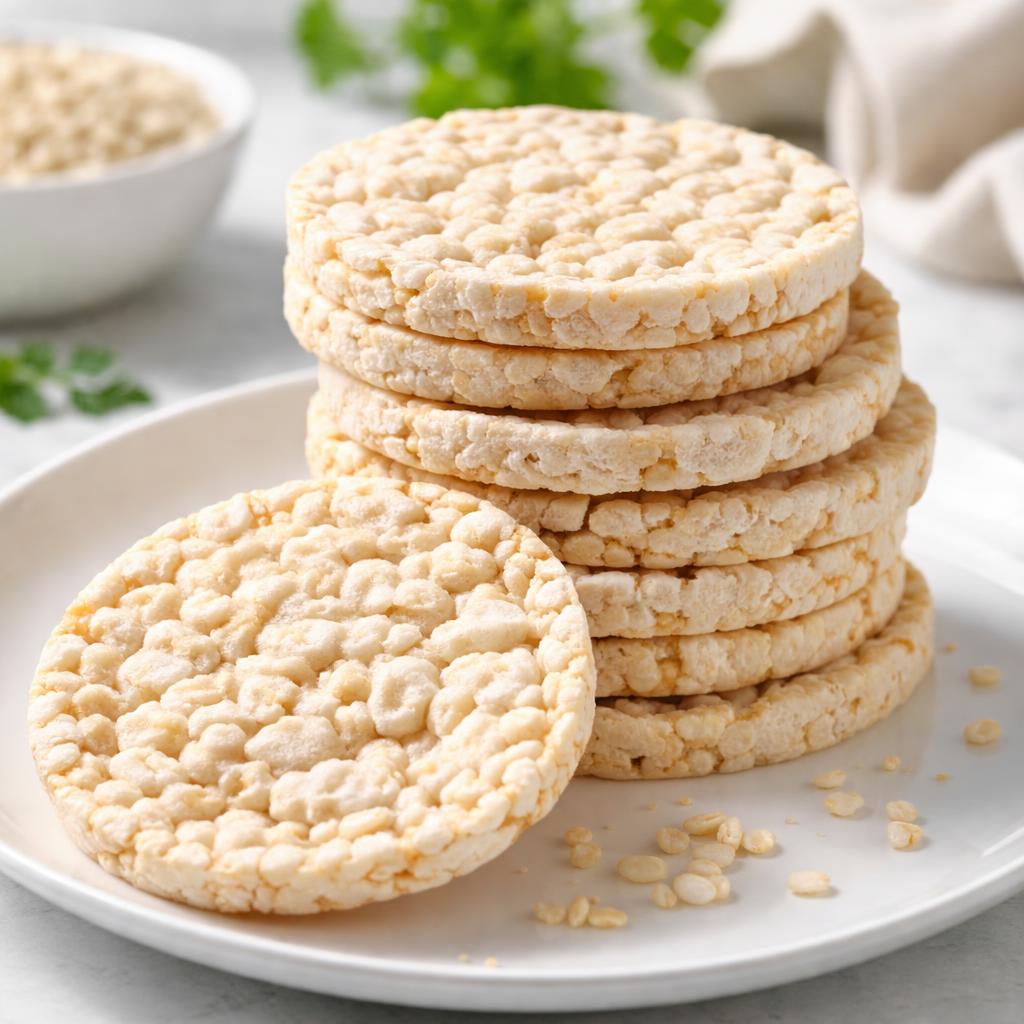
Rice Cakes
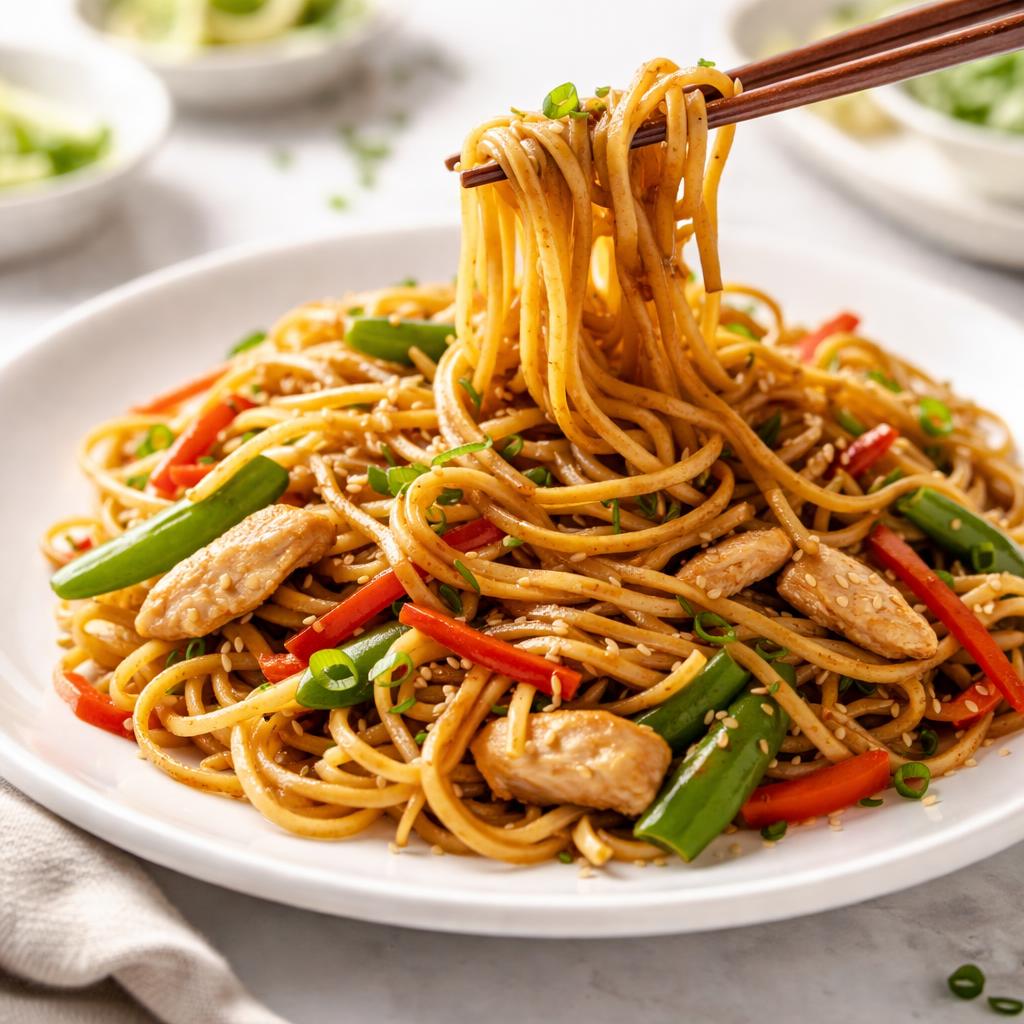
Chinese Noodles
🎯 Quick Verdict
Rice cakes are lower in calories and ideal for portion control snacks, while Chinese noodles are more nutrient-dense, offering higher protein and vitamins. Rice cakes are better suited for weight loss or low-calorie diets, while noodles provide sustained energy and are great for balanced meals and post-workout refueling.

Smart Nutrition Tracking with SnapCalorie

📊 Nutritional Comparison
Macronutrients
| Nutrient | Food 1 | Food 2 | Winner |
|---|---|---|---|
| Calories | 35 | 200 | ✓ |
| Protein | 0.7g | 7g | ✓ |
| Carbs | 7.3g | 40g | ✓ |
| Fat | 0.2g | 3g | ✓ |
| Fiber | 0.3g | 0.4g | − |
Vitamins & Minerals
| Nutrient | Food 1 | Food 2 | Winner |
|---|---|---|---|
| Vitamin D | 0mcg | 0mcg | − |
| Calcium | 0mg | 25mg | ✓ |
| Iron | 0.2mg | 0.8mg | ✓ |
🏆 Category Winners
Protein
Chinese noodles contain 7g of protein, significantly higher than the 0.7g in rice cakes.
Fiber
Both foods offer minimal fiber, with rice cakes at 0.3g and noodles at 0.4g.
Calories
Rice cakes have just 35 calories per serving compared to 200 in noodles.
Vitamins
Chinese noodles provide more minerals like calcium and iron compared to rice cakes.
🥗 Diet Compatibility
Keto
Food 1: Not Compatible
Food 2: Not Compatible
Both foods are high in carbohydrates.
Vegan
Food 1: Compatible
Food 2: Depends
Rice cakes are vegan, while some noodles may contain egg.
Gluten Free
Food 1: Compatible
Food 2: Not Compatible
Rice cakes are typically gluten-free, while traditional noodles contain wheat.
Paleo
Food 1: Not Compatible
Food 2: Not Compatible
Both foods are processed and contain grains.
Low-Carb
Food 1: Not Compatible
Food 2: Not Compatible
Both foods are primarily carbohydrates and not low-carb friendly.
💪 Health Benefits Comparison
Food 1 Benefits
- Extremely low in calories, aiding in weight management
- Quick and versatile snacking option
- Gluten-free, suitable for individuals with gluten intolerance
Food 2 Benefits
- Relatively high in protein for a carbohydrate-rich food
- Provides sustained energy for active lifestyles
- Contains minerals like calcium and iron for muscle and bone health
✅ The Bottom Line
Rice cakes are ideal for weight-conscious individuals seeking a low-calorie, gluten-free snack, but lack significant nutrients. Chinese noodles, on the other hand, offer higher protein, energy, and minerals, making them more suitable for nutrient-dense meals and active lifestyles.
Choose Food 1 for: Weight loss, gluten-free diets, low-calorie snacks
Choose Food 2 for: Balanced meals, active lifestyles, higher protein requirements


