Rice Cake VS Tuna Pasta
A detailed nutritional comparison
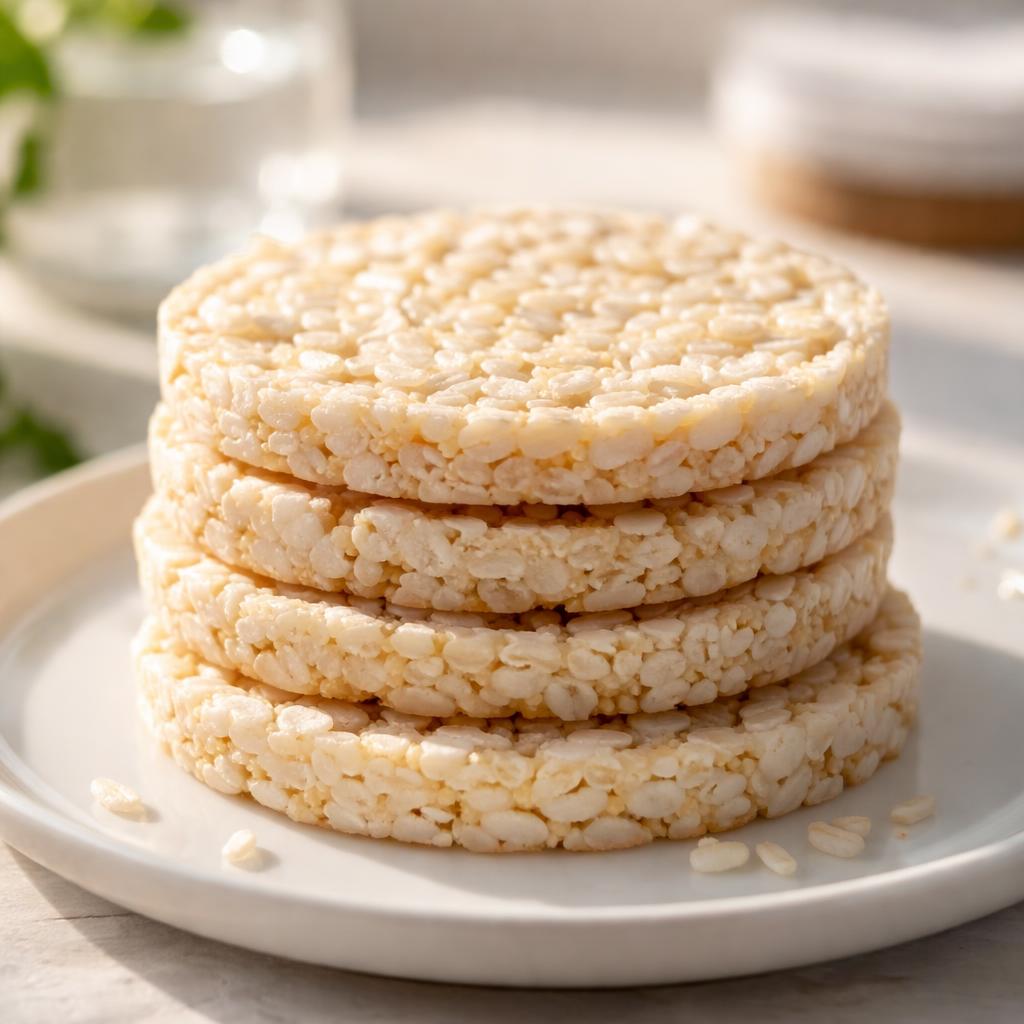
Rice Cake
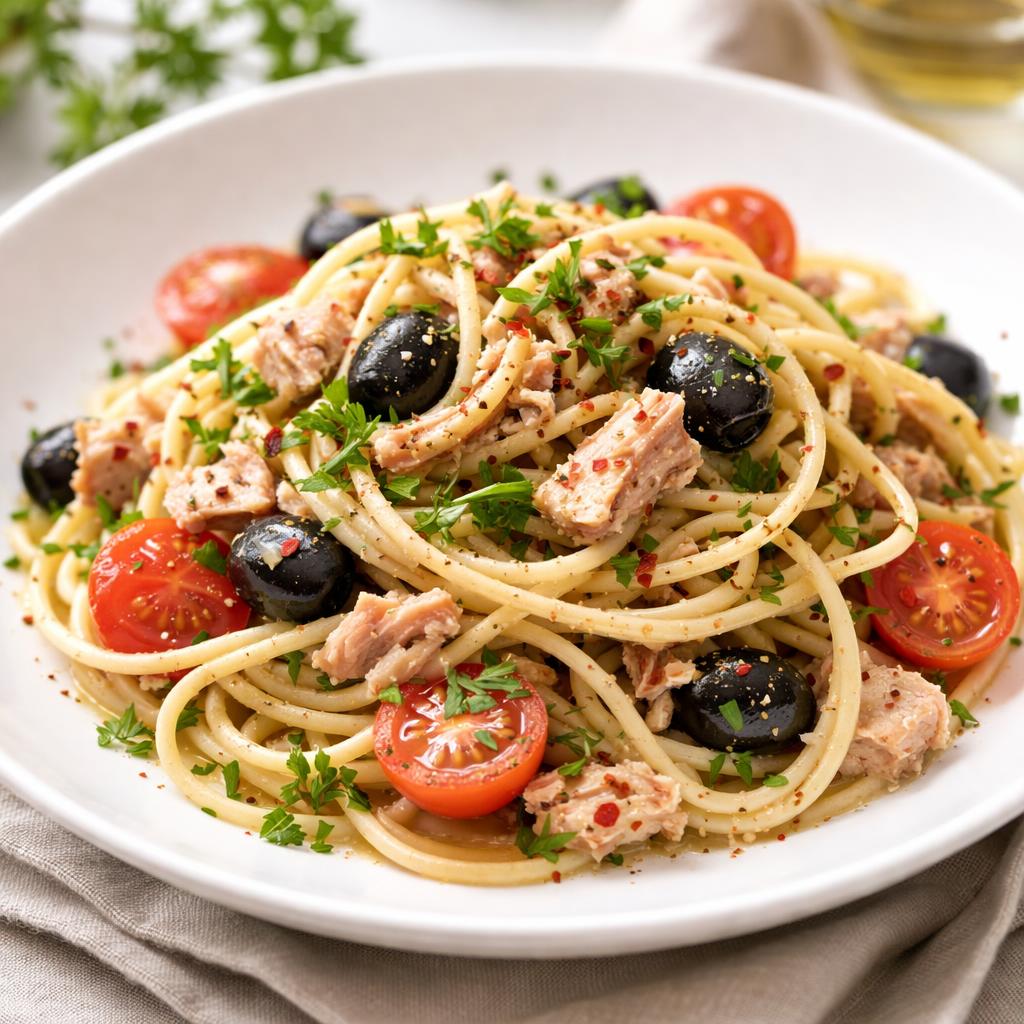
Tuna Pasta
🎯 Quick Verdict
Rice cakes are low in calories and carbs, making them a better choice for weight loss or snacking on a low-carb diet, but they lack significant protein and fiber. Tuna pasta is much richer in protein, fiber, and vitamins, making it a more nutrient-dense and filling option suitable for balanced meals or active lifestyles.

Smart Nutrition Tracking with SnapCalorie

📊 Nutritional Comparison
Macronutrients
| Nutrient | Food 1 | Food 2 | Winner |
|---|---|---|---|
| Calories | 35 per cake | 250 per serving (1 cup) | ✓ |
| Protein | 0.5g | 15g | ✓ |
| Carbs | 7g | 28g | ✓ |
| Fat | 0g | 5g | ✓ |
| Fiber | 0g | 3g | ✓ |
Vitamins & Minerals
| Nutrient | Food 1 | Food 2 | Winner |
|---|---|---|---|
| Vitamin D | 0mcg | 1mcg | ✓ |
| Calcium | 0mg | 20mg | ✓ |
| Iron | 0mg | 1.2mg | ✓ |
🏆 Category Winners
Protein
Tuna pasta provides 15g of protein per serving, significantly higher than rice cakes.
Fiber
Tuna pasta contains 3g of fiber per serving compared to none in rice cakes.
Calories
Rice cakes are very low-calorie, only 35 calories per cake versus 250 in tuna pasta.
🥗 Diet Compatibility
Keto
Food 1: Compatible
Food 2: Not Compatible
Rice cakes are very low-carb, while tuna pasta contains 28g of carbohydrates.
Vegan
Food 1: Compatible
Food 2: Not Compatible
Rice cakes are plant-based, whereas tuna pasta contains animal protein.
Gluten Free
Food 1: Compatible
Food 2: Not Compatible
Rice cakes are naturally gluten-free, but pasta typically contains gluten unless a gluten-free alternative is used.
Paleo
Food 1: Compatible
Food 2: Not Compatible
Rice cakes fit a paleo diet, while tuna pasta does not due to the pasta component.
Low Carb
Food 1: Compatible
Food 2: Not Compatible
Rice cakes are low-carb (7g per cake), while tuna pasta is high-carb (28g per serving).
💪 Health Benefits Comparison
Food 1 Benefits
- Low in calories, suitable for weight management
- Gluten-free and easily digestible
- Convenient for light, portable snacking
Food 2 Benefits
- Rich source of protein for muscle growth and repair
- Contains fiber for improved digestion and satiety
- Provides essential vitamins such as Vitamin D and iron for energy and health
✅ The Bottom Line
Choose rice cakes for light snacking, weight loss, or a low-carb diet. Opt for tuna pasta if you need a balanced, nutrient-dense meal for sustained energy, muscle recovery, or an active lifestyle.
Choose Food 1 for: Weight management, low-carb diets, paleo snacking
Choose Food 2 for: Balanced meals, post-workout recovery, nutrient-dense energy


