Rice Cake VS Spicy Rice
A detailed nutritional comparison
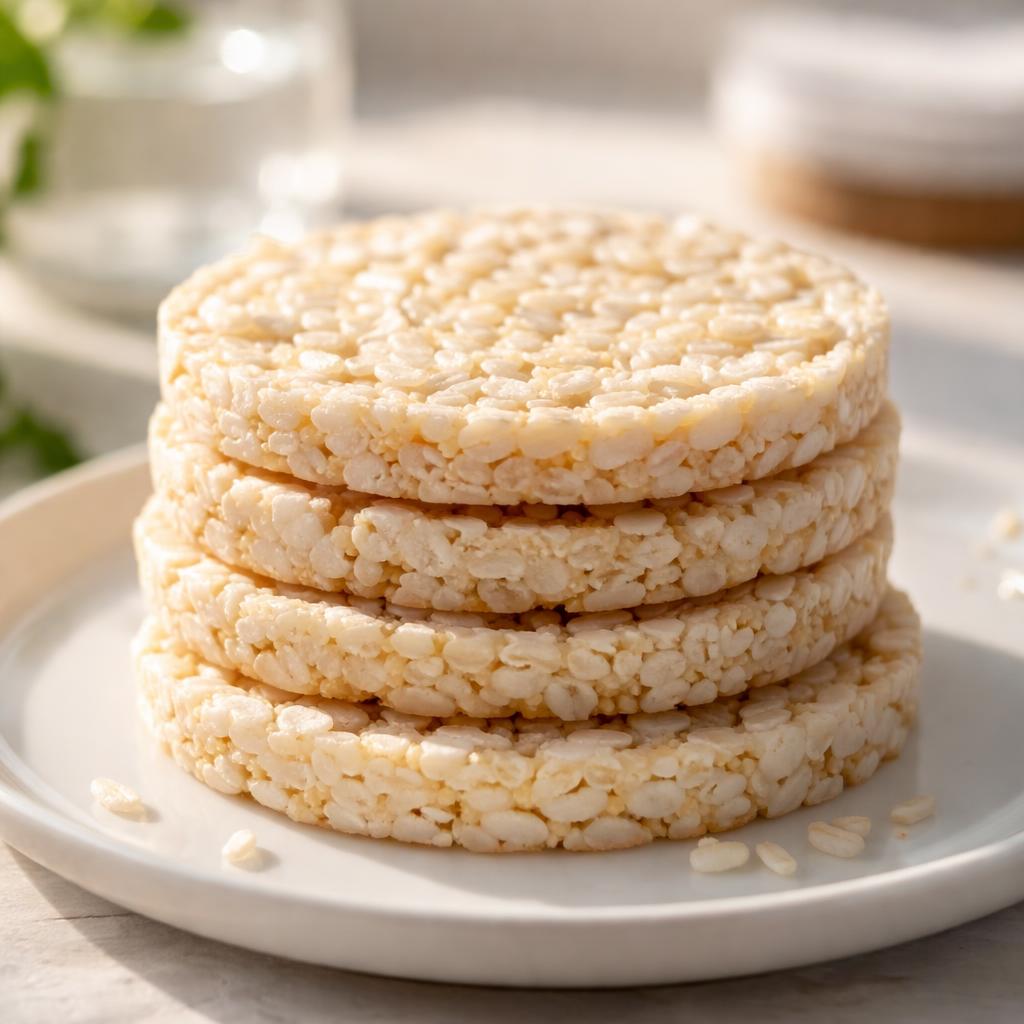
Rice Cake
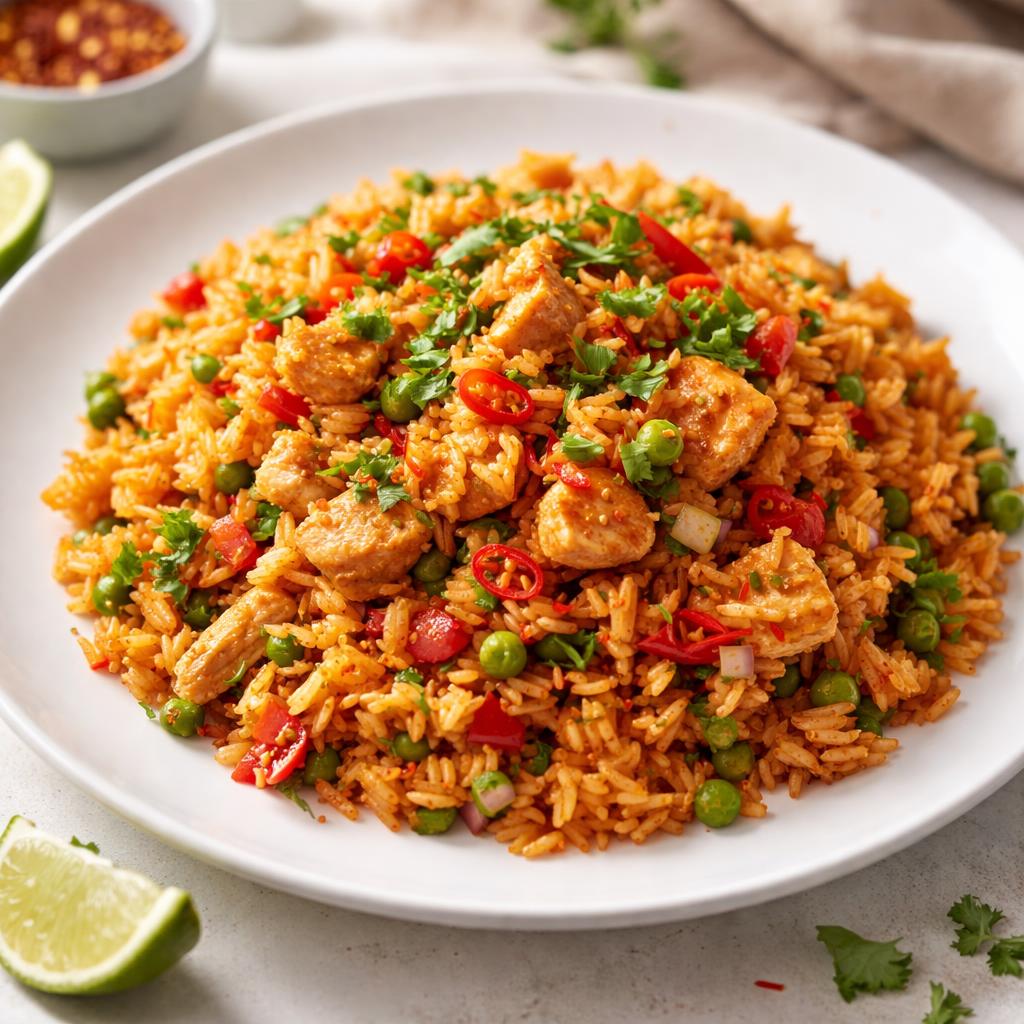
Spicy Rice
🎯 Quick Verdict
Rice cakes are lower in calories and ideal for weight management, while spicy rice provides more protein, fiber, and a nutrient-dense profile. Choose rice cakes for lighter snacks and spicy rice for heartier meals rich in flavor and sustenance.

Smart Nutrition Tracking with SnapCalorie

📊 Nutritional Comparison
Macronutrients
| Nutrient | Food 1 | Food 2 | Winner |
|---|---|---|---|
| Calories | 35 | 250 | ✓ |
| Protein | 0.8g | 5g | ✓ |
| Carbs | 7g | 45g | ✓ |
| Fat | 0g | 7g | ✓ |
| Fiber | 0g | 3g | ✓ |
Vitamins & Minerals
| Nutrient | Food 1 | Food 2 | Winner |
|---|---|---|---|
| Vitamin A | 0mcg | 200mcg | ✓ |
| Vitamin C | 0mg | 5mg | ✓ |
| Iron | 0.2mg | 1.8mg | ✓ |
🏆 Category Winners
Protein
Spicy rice has 525% more protein than rice cakes.
Fiber
Spicy rice provides 3g of fiber, while rice cakes contain none.
Calories
Rice cakes are significantly lower in calories, with only 35 calories per serving versus 250 for spicy rice.
🥗 Diet Compatibility
Keto
Food 1: Not Compatible
Food 2: Not Compatible
Both foods are high in carbohydrates.
Vegan
Food 1: Compatible
Food 2: Compatible
Both are plant-based and contain no animal products.
Gluten Free
Food 1: Compatible
Food 2: Compatible
Both foods are naturally gluten-free.
Paleo
Food 1: Compatible
Food 2: Not Compatible
Rice cakes are minimally processed; spicy rice may contain non-paleo ingredients or additives.
Low Carb
Food 1: Not Compatible
Food 2: Not Compatible
Both are too high in carbohydrates for low-carb diets.
💪 Health Benefits Comparison
Food 1 Benefits
- Low in calories, supporting weight management
- Minimal fat content, ideal for low-fat diets
- Easily digestible for sensitive stomachs
Food 2 Benefits
- Rich in protein for muscle repair and maintenance
- Good source of fiber for gut health
- Contains vitamins and minerals to support overall wellbeing
✅ The Bottom Line
Rice cakes are practical for low-calorie snacking or as a simple base for spreads and toppings. Spicy rice is a flavorful, nutrient-dense option for heartier meals, offering more protein, fiber, and vitamins. Choose rice cakes for weight management and spicy rice for meal prep and energy-rich meals.
Choose Food 1 for: Light snacking, weight management, low-fat diets
Choose Food 2 for: Hearty meals, protein boost, nutrient density


