Rice Cake VS Saffron Rice
A detailed nutritional comparison
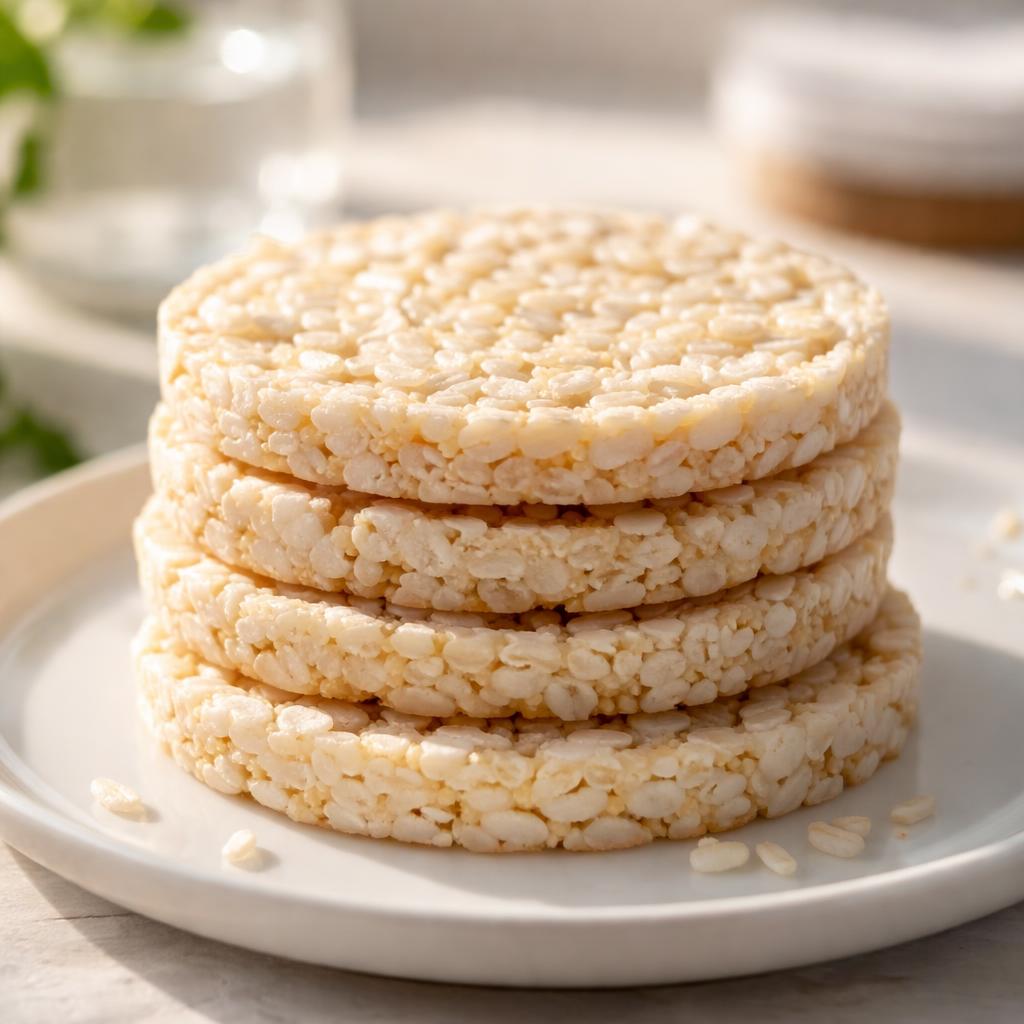
Rice Cake
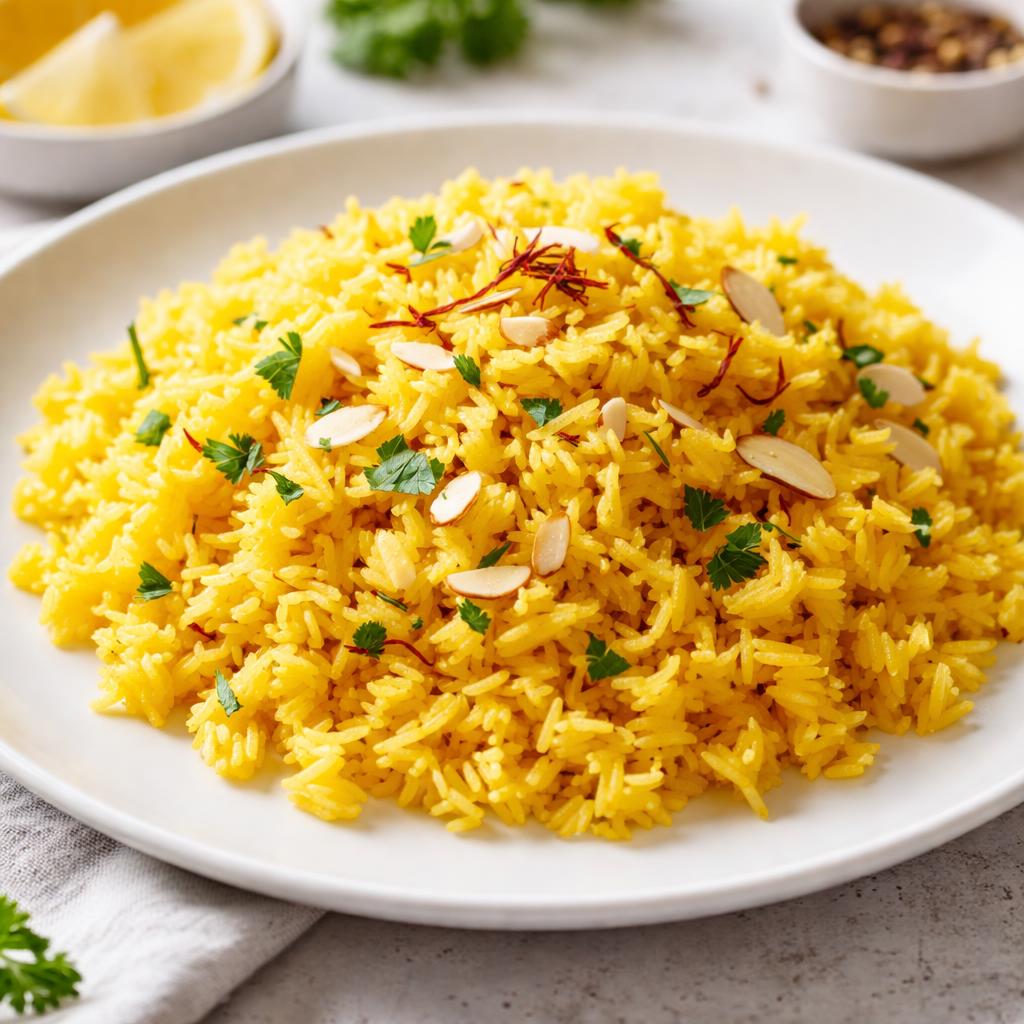
Saffron Rice
🎯 Quick Verdict
Rice cakes are lower in calories and better suited for weight loss or snacking compared to saffron rice. Saffron rice, however, provides more fiber and additional vitamins and minerals, making it a more nutrient-dense option for meals requiring sustained energy and flavor. Each food serves distinct dietary needs depending on individual goals and preferences.

Smart Nutrition Tracking with SnapCalorie

📊 Nutritional Comparison
Macronutrients
| Nutrient | Food 1 | Food 2 | Winner |
|---|---|---|---|
| Calories | 35 | 150 | − |
| Protein | 1g | 3g | − |
| Carbs | 7g | 30g | − |
| Fat | 0g | 3g | − |
| Fiber | 0g | 1g | − |
Vitamins & Minerals
| Nutrient | Food 1 | Food 2 | Winner |
|---|---|---|---|
| Vitamin D | 0mcg | 0mcg | − |
| Calcium | 0mg | 15mg | − |
| Iron | 0.1mg | 1.5mg | − |
🏆 Category Winners
Protein
Both foods contain low amounts of protein (1-3g per serving).
Fiber
Saffron rice has 1g of fiber per serving, while rice cakes contain negligible fiber (0g).
Calories
Rice cakes contain significantly fewer calories per serving (35 vs 150 calories).
🥗 Diet Compatibility
Keto
Food 1: Not Compatible
Food 2: Not Compatible
Both foods are carbohydrate-rich, unsuitable for keto diets.
Vegan
Food 1: Compatible
Food 2: Compatible
Both are plant-based and free of animal products.
Gluten Free
Food 1: Compatible
Food 2: Compatible
Both foods are naturally gluten-free.
Paleo
Food 1: Compatible
Food 2: Not Compatible
Rice cakes align with paleo principles, while saffron rice typically contains other additives that may not be paleo-friendly.
Low-Carb
Food 1: Not Compatible
Food 2: Not Compatible
Both foods are high in carbohydrates and do not fit low-carb dietary patterns.
💪 Health Benefits Comparison
Food 1 Benefits
- Low in calories, ideal for weight management
- Crunchy texture makes a good low-calorie snack
- Easy to pair with healthy toppings for variety
Food 2 Benefits
- Rich in fiber for improved digestion
- Provides iron for better blood oxygenation
- Contains saffron, a spice with antioxidant and anti-inflammatory properties
✅ The Bottom Line
Rice cakes are ideal for low-calorie snacking or as a light food vehicle for toppings, making them suitable for weight loss goals. Saffron rice, with a higher nutrient profile, is better for nutrient-dense meals and sustained energy during active days or physical recovery.
Choose Food 1 for: Weight loss, snack options, light meals
Choose Food 2 for: Balanced meals, nutrient-dense diets, flavor-rich dishes


