Rice Cake VS Rice Flour
A detailed nutritional comparison
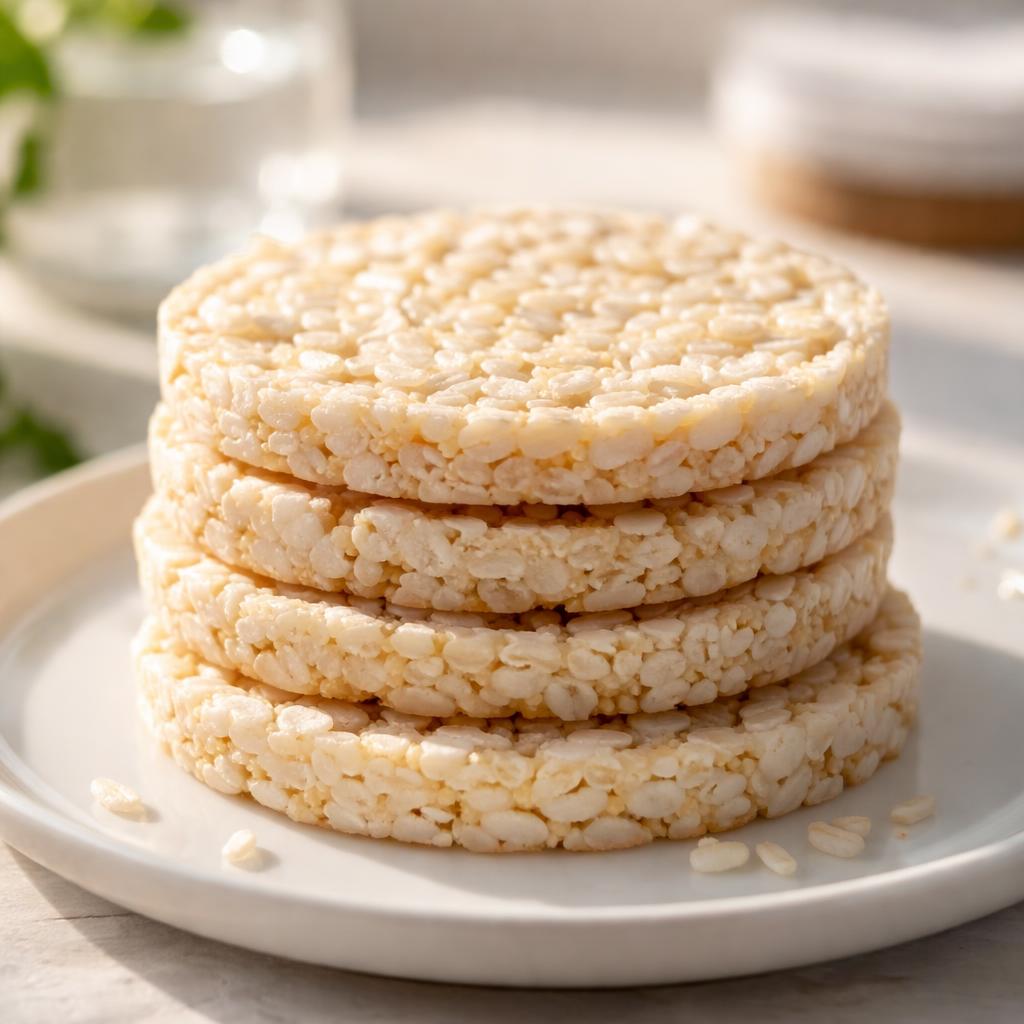
Rice Cake
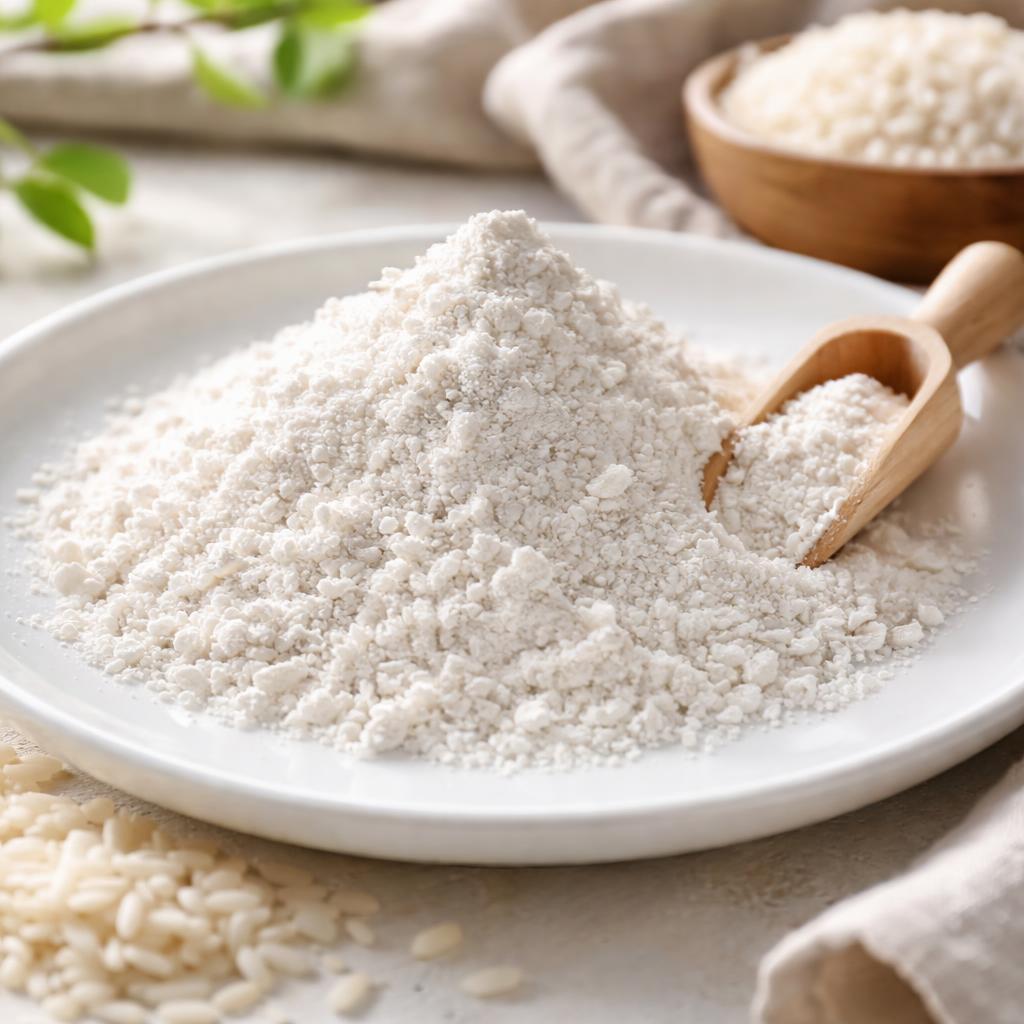
Rice Flour
🎯 Quick Verdict
Rice cakes are lower in calories and fat, while also providing more protein and fiber compared to rice flour. Rice flour is an excellent choice for baking and cooking, providing energy-dense carbohydrates but lacks fiber and protein. Rice cakes are ideal for light snacks and weight management, while rice flour works better for calorie-dense recipes and sustained energy needs.

Smart Nutrition Tracking with SnapCalorie

📊 Nutritional Comparison
Macronutrients
| Nutrient | Food 1 | Food 2 | Winner |
|---|---|---|---|
| Calories | − | ||
| Protein | − | ||
| Carbs | − | ||
| Fat | − | ||
| Fiber | − |
Vitamins & Minerals
| Nutrient | Food 1 | Food 2 | Winner |
|---|---|---|---|
| Vitamin D | − | ||
| Calcium | − | ||
| Iron | − |
🏆 Category Winners
Protein
Tie, but rice cakes are lower-calorie with similar protein content.
Fiber
Rice cakes provide trace amounts of fiber (0.3g) compared to none in rice flour.
Calories
Rice cakes offer significantly fewer calories per serving.
🥗 Diet Compatibility
Keto
Food 1: Unknown
Food 2: Unknown
Both are high-carb foods and not suitable for keto.
Vegan
Food 1: Unknown
Food 2: Unknown
Both are plant-based and vegan-friendly.
Gluten Free
Food 1: Unknown
Food 2: Unknown
Neither product contains gluten.
Paleo
Food 1: Unknown
Food 2: Unknown
Rice is not considered paleo-friendly.
Low-Carb
Food 1: Unknown
Food 2: Unknown
Rice cakes have fewer carbs per serving than rice flour and may fit into some low-carb diets in small portions.
💪 Health Benefits Comparison
Food 1 Benefits
Food 2 Benefits
✅ The Bottom Line
Choose rice cakes if you need a low-calorie, low-fat snack or are looking for a light bite for weight management or snacking. Opt for rice flour if you're baking or making gluten-free recipes that require dense carbohydrates for sustained energy.


