Rice Cake VS Konjac Noodles
A detailed nutritional comparison
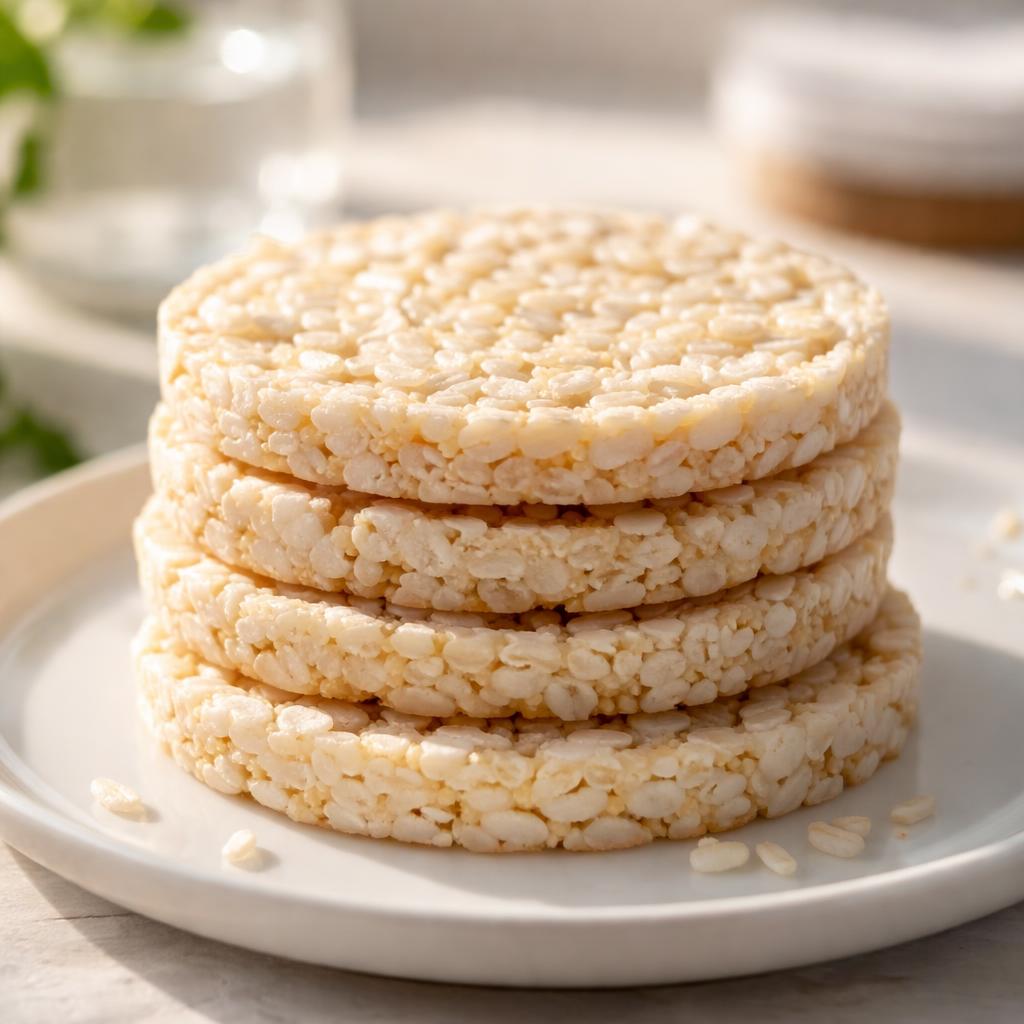
Rice Cake
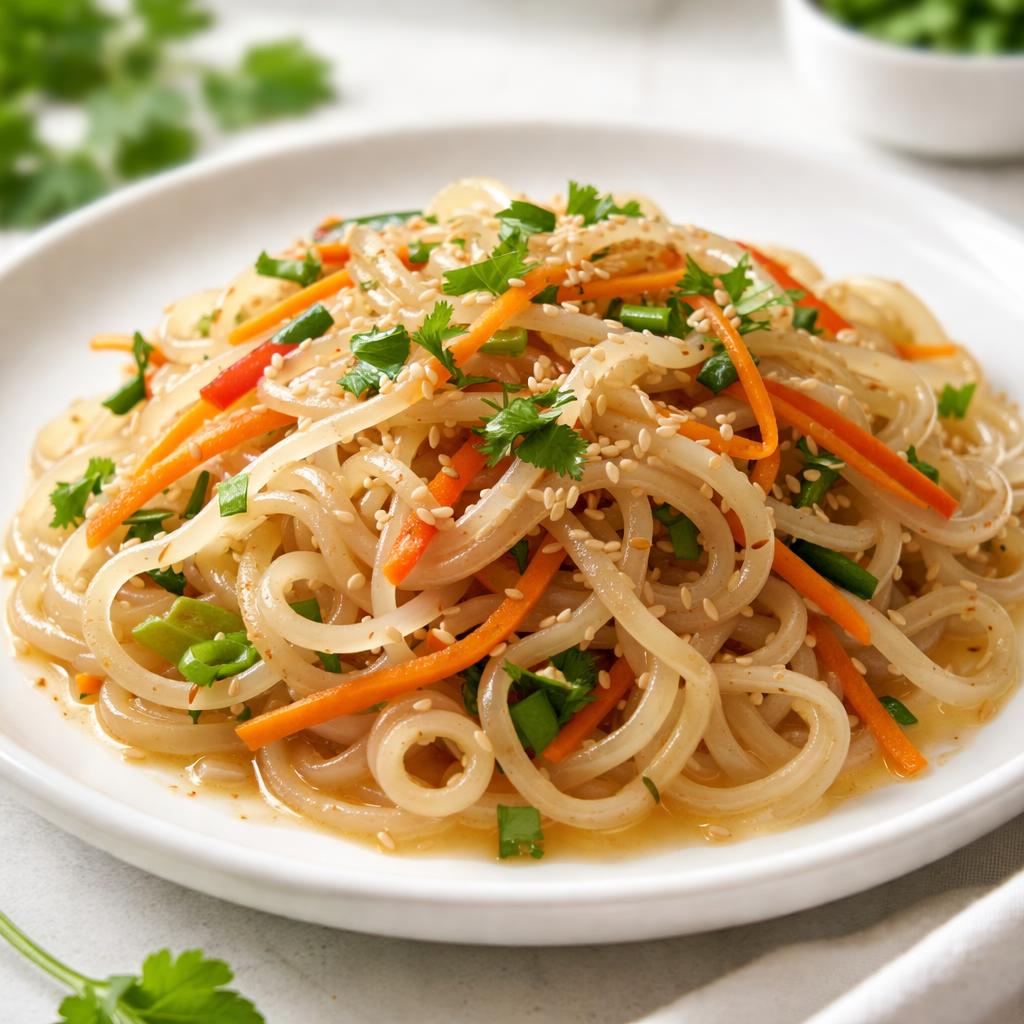
Konjac Noodles
🎯 Quick Verdict
Rice cakes are light and provide moderate carbs, making them ideal for quick energy boosts. Konjac noodles, on the other hand, are extremely low in calories and carbs while being high in fiber, suitable for weight management and digestive health. They cater better to low-carb and keto diets than rice cakes, which are higher in net carbs.

Smart Nutrition Tracking with SnapCalorie

📊 Nutritional Comparison
Macronutrients
| Nutrient | Food 1 | Food 2 | Winner |
|---|---|---|---|
| Calories | 35 | 10 | ✓ |
| Protein | 1g | 0g | ✓ |
| Carbs | 7.3g | 4g | ✓ |
| Fat | 0g | 0g | − |
| Fiber | 0.4g | 3g | ✓ |
Vitamins & Minerals
| Nutrient | Food 1 | Food 2 | Winner |
|---|---|---|---|
| Vitamin D | 0mcg | 0mcg | − |
| Calcium | 0mg | 20mg | ✓ |
| Iron | 0mg | 0.1mg | ✓ |
🏆 Category Winners
Protein
Rice cakes have 1g of protein per serving, while konjac noodles contain none.
Fiber
Konjac noodles are significantly higher in fiber (3g vs 0.4g per serving).
Calories
Konjac noodles are extremely low in calories (10 vs 35 kcal per serving).
Vitamins
Konjac noodles contain small amounts of calcium and iron, which rice cakes lack.
🥗 Diet Compatibility
Keto
Food 1: Not Compatible
Food 2: Compatible
Konjac noodles are low-carb and keto-friendly; rice cakes are higher in carbs.
Vegan
Food 1: Compatible
Food 2: Compatible
Both foods are plant-based and suitable for vegans.
Gluten Free
Food 1: Compatible
Food 2: Compatible
Neither food contains gluten.
Paleo
Food 1: Not Compatible
Food 2: Compatible
Konjac noodles align better with paleo principles due to minimal processing.
Low-Carb
Food 1: Not Compatible
Food 2: Compatible
Konjac noodles are very low in net carbs (~1g), whereas rice cakes have ~7g net carbs per serving.
💪 Health Benefits Comparison
Food 1 Benefits
- Light snack for quick energy
- Low-calorie topping base for versatile meal prep
- Provides a small amount of carbs for active individuals
Food 2 Benefits
- Low-calorie option for weight management
- High in dietary fiber for improved digestion
- Suitable for blood sugar regulation due to low glycemic index
- Provides small amounts of calcium and iron for mineral support
✅ The Bottom Line
Konjac noodles are the better choice for low-carb, keto, and weight loss diets because of their low calorie and high fiber content. Rice cakes, while higher in carbs and lower in fiber, serve as a convenient snack or a base for toppings in more moderate diets like vegan or active lifestyles.
Choose Food 1 for: Quick energy, light snacks, portable convenience
Choose Food 2 for: Weight loss, digestive health, low-carb and keto diets


