Rice Cake VS Curd Rice
A detailed nutritional comparison
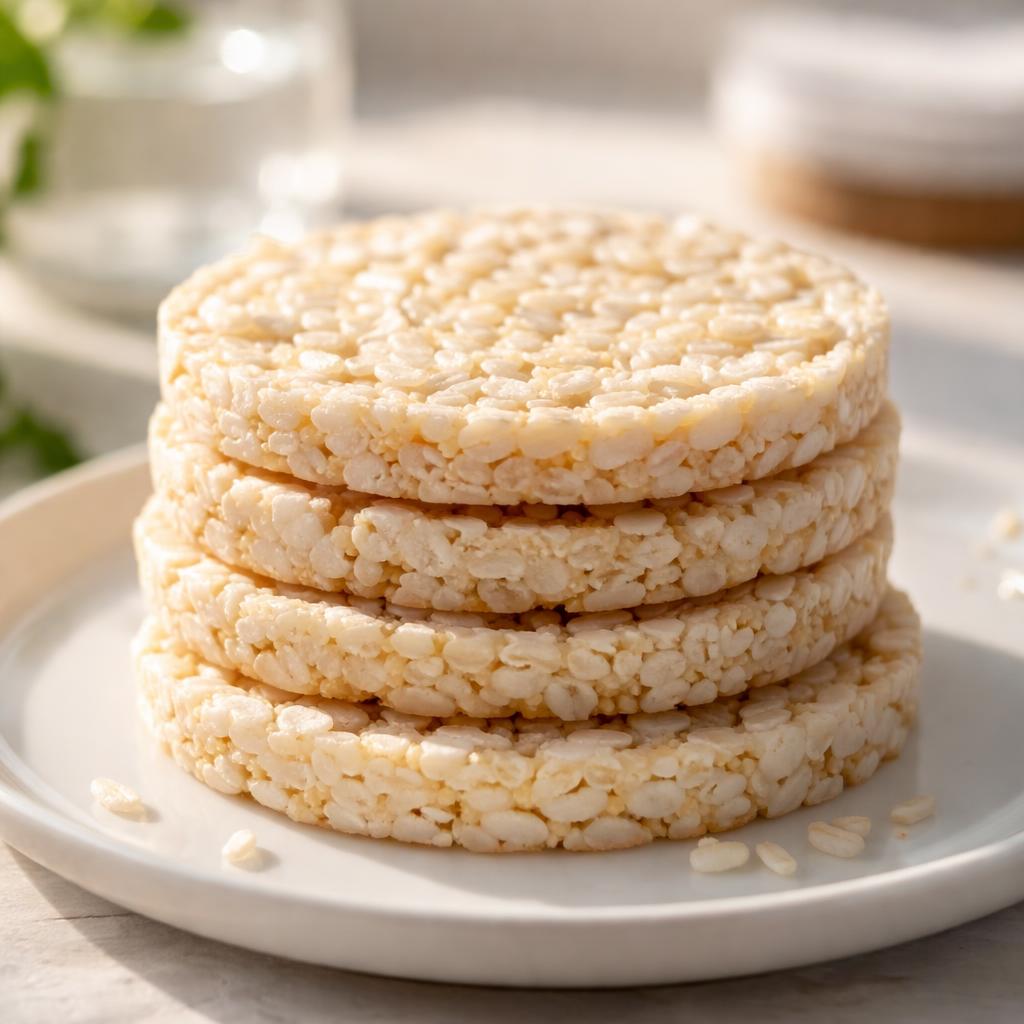
Rice Cake
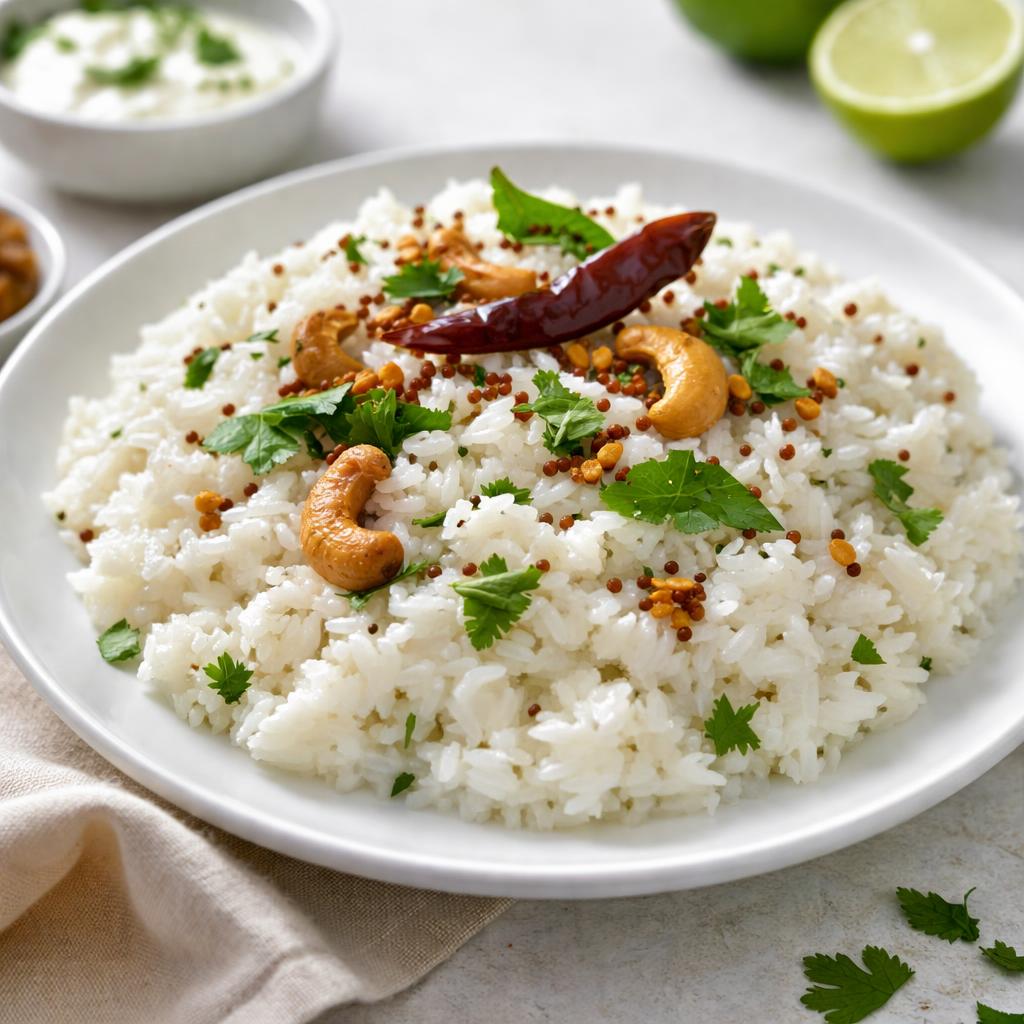
Curd Rice
🎯 Quick Verdict
Rice cakes are lighter, low-calorie snack options with minimal protein and fiber. Curd rice, on the other hand, is more nutrient-dense, providing moderate protein, calcium, and probiotics which benefit gut health. Rice cakes are ideal for weight-conscious diets, while curd rice is better for energy and digestive support.

Smart Nutrition Tracking with SnapCalorie

📊 Nutritional Comparison
Macronutrients
| Nutrient | Food 1 | Food 2 | Winner |
|---|---|---|---|
| Calories | 35 per cake | 150 per serving | ✓ |
| Protein | less than 1g | 6g | ✓ |
| Carbs | 7g | 22g | ✓ |
| Fat | 0g | 4g | ✓ |
| Fiber | 0.4g | 0.4g | − |
Vitamins & Minerals
| Nutrient | Food 1 | Food 2 | Winner |
|---|---|---|---|
| Calcium | 0mg | 90mg | ✓ |
| Vitamin D | 0mcg | 0mcg | − |
| Iron | 0.1mg | 0.5mg | ✓ |
🏆 Category Winners
Protein
Curd rice contains significantly more protein from both rice and yogurt.
Fiber
Both foods contain similar amounts of fiber per serving.
Calories
Rice cakes provide 77% fewer calories.
Vitamins
Curd rice is a better source of calcium and iron.
🥗 Diet Compatibility
Keto
Food 1: Compatible
Food 2: Not Compatible
Rice cakes are very low-carb, whereas curd rice contains significant carbs.
Vegan
Food 1: Compatible
Food 2: Not Compatible
Rice cakes are vegan, but curd rice contains dairy.
Gluten Free
Food 1: Compatible
Food 2: Compatible
Both foods are naturally gluten-free as they contain rice.
Paleo
Food 1: Not Compatible
Food 2: Not Compatible
Neither food is paleo-friendly due to processed and dairy elements.
Low-Carb
Food 1: Compatible
Food 2: Not Compatible
Rice cakes are low-carb, while curd rice has higher carb content.
💪 Health Benefits Comparison
Food 1 Benefits
- Low-calorie snack, good for weight management
- Gluten-free option for sensitive diets
- Provides quick energy through simple carbs
Food 2 Benefits
- Probiotic-rich yogurt supports gut health
- Higher protein content helps muscle repair
- Good source of calcium for bone strength
- Nutrient-dense and sustaining for energy
✅ The Bottom Line
Rice cakes are best for light, low-calorie snacking or as a base for spreads in restrictive diets like low-carb or keto. Curd rice, with its higher protein, calcium, and probiotic content, is ideal for energy-intensive meals, gut health, and post-exercise recovery.
Choose Food 1 for: Weight loss, keto diets, low-calorie snacking
Choose Food 2 for: Gut health, filling meals, nutrient-dense energy


