Rice Cake VS Chickpea Pasta
A detailed nutritional comparison
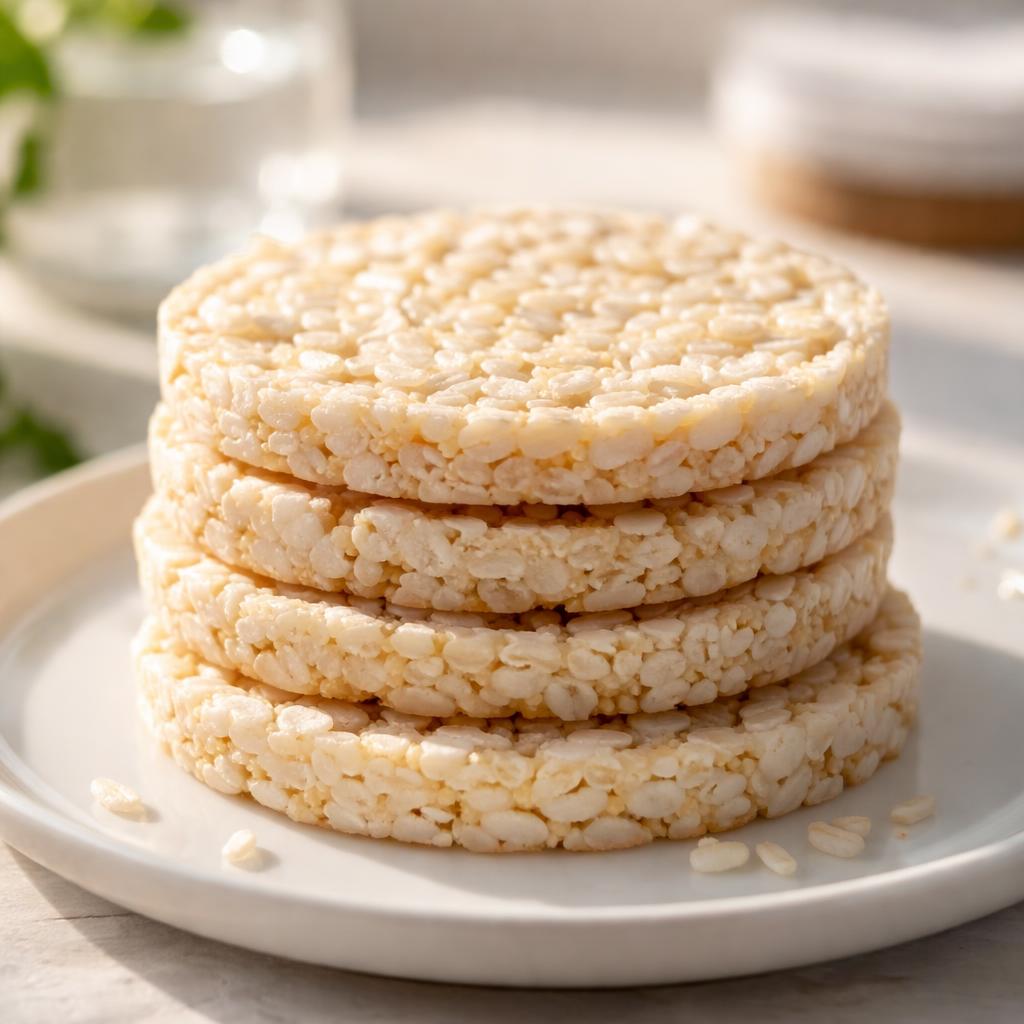
Rice Cake
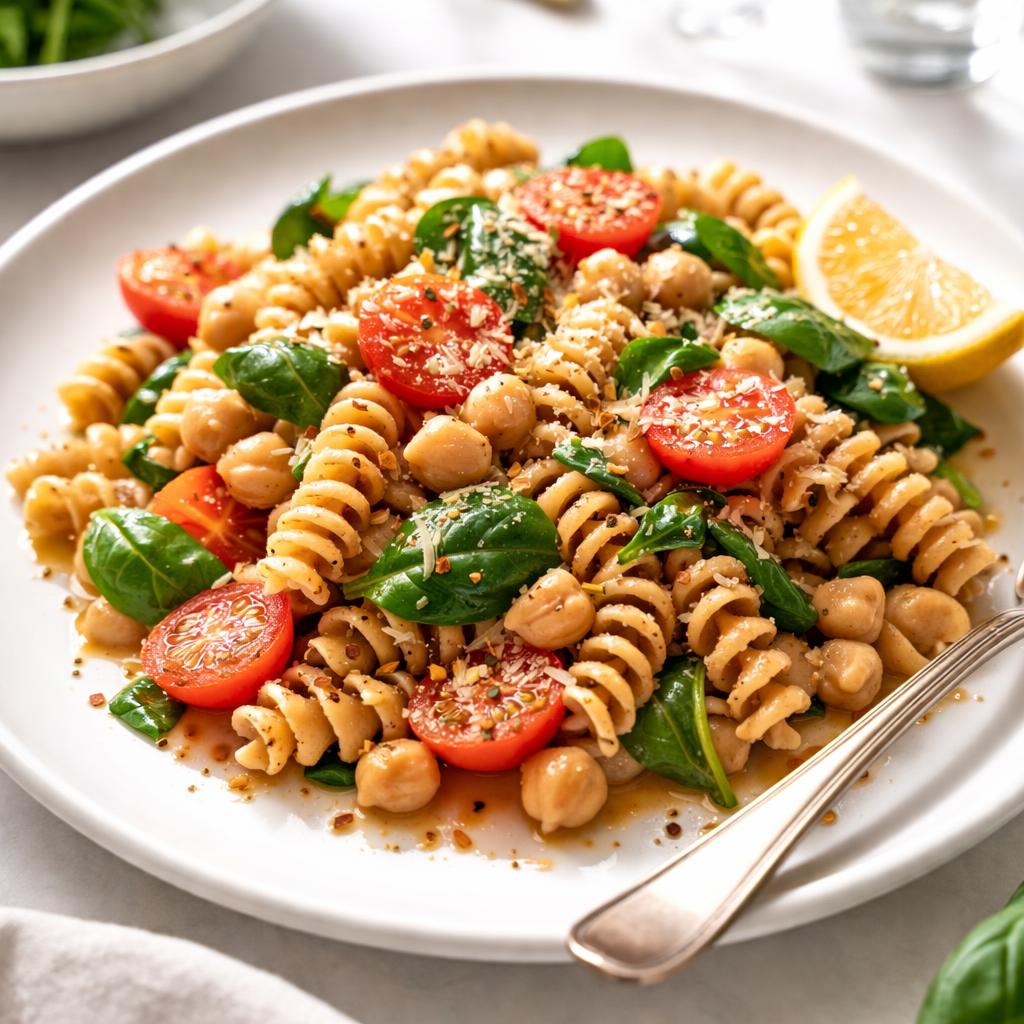
Chickpea Pasta
🎯 Quick Verdict
Chickpea pasta is a nutrient-dense option providing significantly more protein and fiber than rice cakes, making it ideal for muscle-building and digestive health. On the other hand, rice cakes are much lower in calories and carbs, catering to lightweight snacks or low-calorie diets. Each food suits distinct dietary goals depending on whether you prioritize nutrition or calorie control.

Smart Nutrition Tracking with SnapCalorie

📊 Nutritional Comparison
Macronutrients
| Nutrient | Food 1 | Food 2 | Winner |
|---|---|---|---|
| Calories | 35 | 190 | ✓ |
| Protein | 1g | 12g | ✓ |
| Carbs | 7g | 32g | ✓ |
| Fat | 0g | 3g | ✓ |
| Fiber | 0g | 5g | ✓ |
Vitamins & Minerals
| Nutrient | Food 1 | Food 2 | Winner |
|---|---|---|---|
| Iron | 0.1mg | 2mg | ✓ |
| Calcium | 0mg | 40mg | ✓ |
| Magnesium | 5mg | 45mg | ✓ |
🏆 Category Winners
Protein
Chickpea pasta contains 12g of protein per serving, much higher than rice cakes' 1g.
Fiber
Chickpea pasta provides 5g of fiber versus 0g in rice cakes.
Calories
Rice cakes are significantly lower calorie, at 35 calories per serving vs. chickpea pasta's 190 calories.
🥗 Diet Compatibility
Keto
Food 1: Not Compatible
Food 2: Not Compatible
Both foods are too high in net carbs for keto diets.
Vegan
Food 1: Compatible
Food 2: Compatible
Both rice cakes and chickpea pasta are plant-based.
Gluten Free
Food 1: Compatible
Food 2: Compatible
Rice cakes are made from rice and chickpea pasta is made from legume flour, neither contains gluten.
Paleo
Food 1: Compatible
Food 2: Not Compatible
Rice cakes are paleo-friendly, chickpea pasta is not due to the use of legumes.
Low-Carb
Food 1: Compatible
Food 2: Not Compatible
Rice cakes contain 7g carbs versus chickpea pasta's 32g, making rice cakes better for low-carb diets.
💪 Health Benefits Comparison
Food 1 Benefits
- Low calorie option for weight loss
- Quick, convenient snack
- Light and easy on digestion
Food 2 Benefits
- High protein content supports muscle maintenance
- Rich in fiber for digestive health
- Provides more minerals like iron and magnesium
✅ The Bottom Line
Choose rice cakes for a low-calorie, lightweight snack, suitable for low-carb or paleo diets. Opt for chickpea pasta if you need a nutrient-dense meal with high protein and fiber levels, ideal for muscle-building and digestive benefits.
Choose Food 1 for: Low-calorie diets, lightweight snacks, weight management
Choose Food 2 for: Protein-rich meals, high-fiber diets, muscle-building


