Rice Cake VS Bread With Cheese
A detailed nutritional comparison
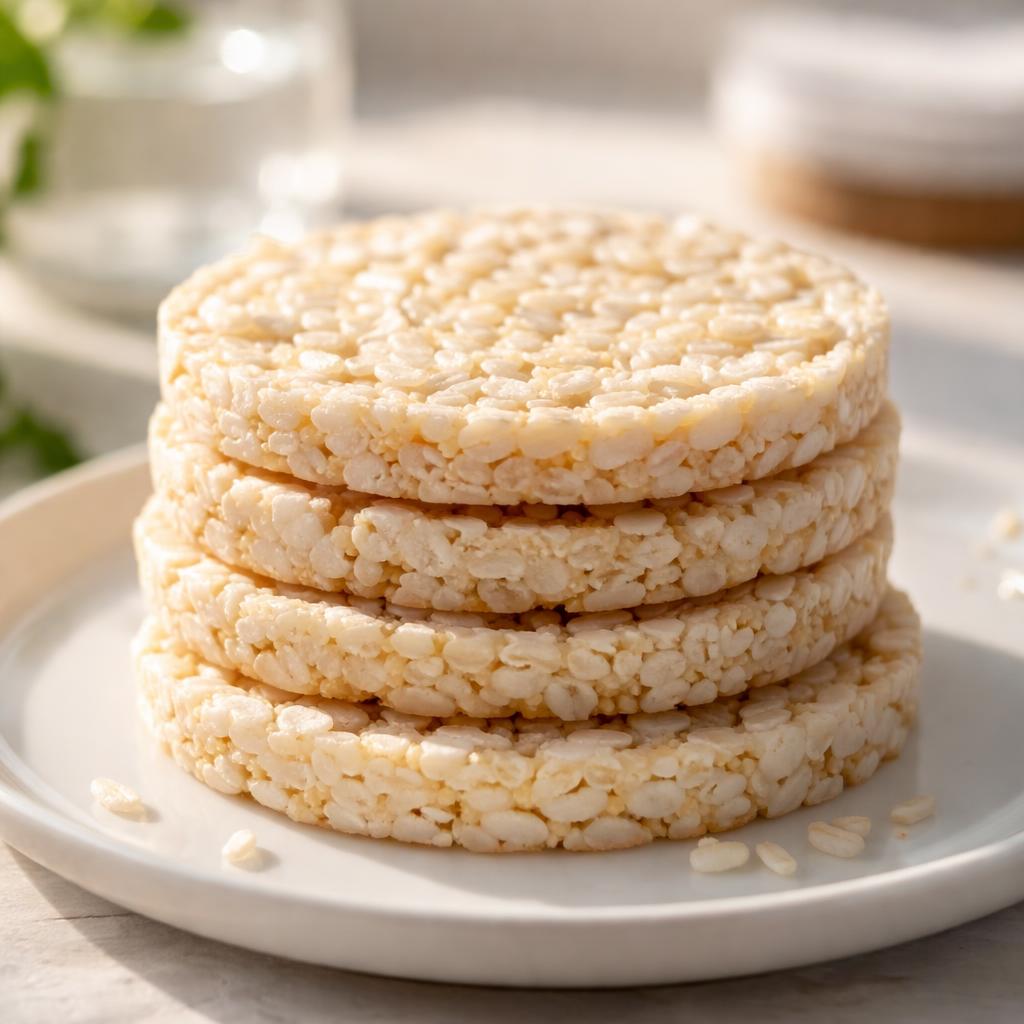
Rice Cake
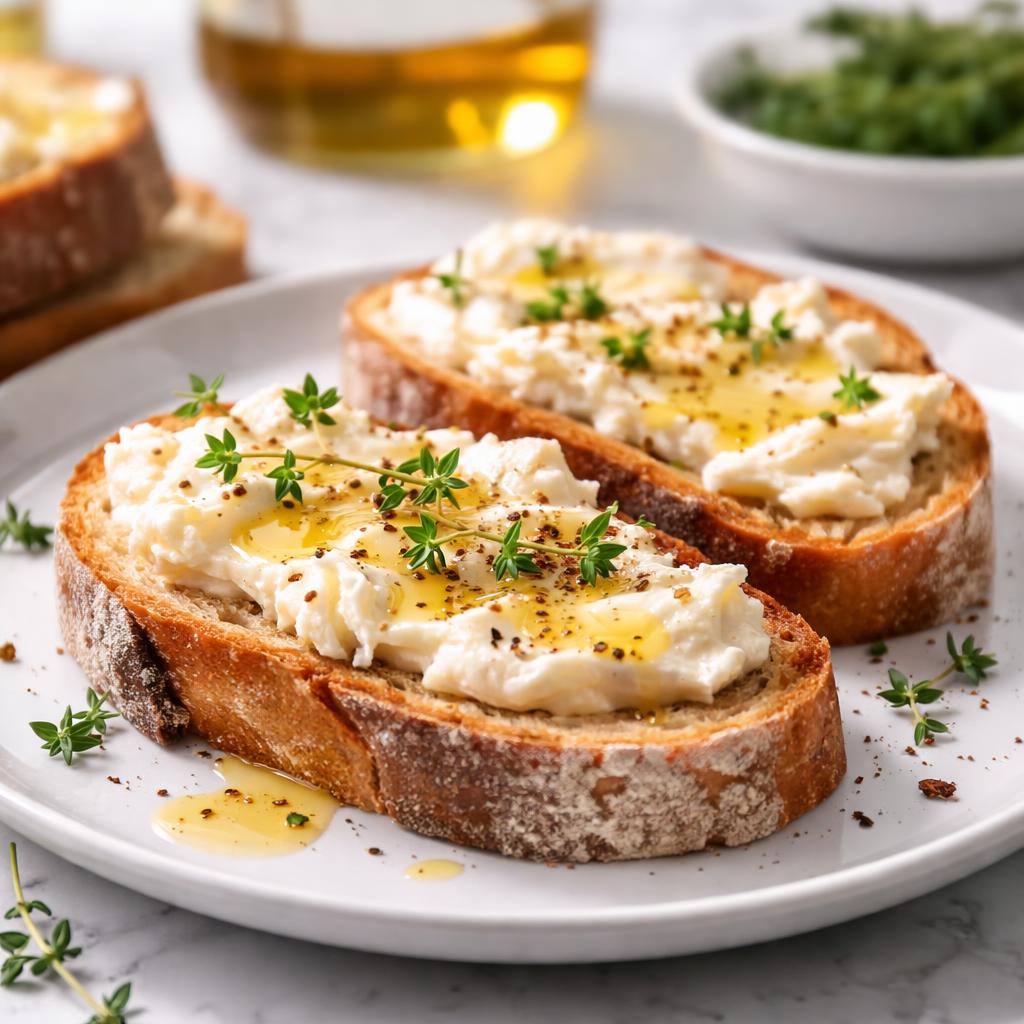
Bread With Cheese
🎯 Quick Verdict
Rice cakes are significantly lower in calories but provide minimal protein and fiber, making them a better choice for quick, light snacks or weight management. Bread with cheese offers higher protein, fiber, and fats, making it a nutrient-dense option suitable for more substantial meals and sustained energy. Each has unique benefits depending on dietary goals and use cases.

Smart Nutrition Tracking with SnapCalorie

📊 Nutritional Comparison
Macronutrients
| Nutrient | Food 1 | Food 2 | Winner |
|---|---|---|---|
| Calories | 35 | 200 | ✓ |
| Protein | 0.7g | 9g | ✓ |
| Carbs | 7g | 20g | ✓ |
| Fat | 0.1g | 9g | ✓ |
| Fiber | 0.3g | 2g | ✓ |
Vitamins & Minerals
| Nutrient | Food 1 | Food 2 | Winner |
|---|---|---|---|
| Calcium | 1mg | 100mg | ✓ |
| Vitamin D | 0mcg | 0.5mcg | ✓ |
| Iron | 0.1mg | 1mg | ✓ |
🏆 Category Winners
Protein
Bread with cheese provides more robust protein levels (9g) compared to 0.7g in rice cakes.
Fiber
Bread with cheese has 6 times more fiber (2g vs 0.3g).
Calories
Rice cakes are extremely light at just 35 calories per serving, compared to 200 for bread with cheese.
Vitamins
Bread with cheese is higher in calcium, iron, and Vitamin D, supporting bone health and immunity.
🥗 Diet Compatibility
Keto
Food 1: Not Compatible
Food 2: Not Compatible
Both foods are too high in carbs for typical keto diets.
Vegan
Food 1: Compatible
Food 2: Not Compatible
Bread with cheese contains dairy which is not vegan.
Gluten Free
Food 1: Compatible
Food 2: Not Compatible
Bread with cheese contains gluten from the bread.
Paleo
Food 1: Not Compatible
Food 2: Not Compatible
Rice cakes and bread are processed foods and not suitable for paleo diets.
Low Carb
Food 1: Compatible
Food 2: Not Compatible
Rice cakes are lower in carbs, with 7g per serving compared to 20g for bread with cheese.
💪 Health Benefits Comparison
Food 1 Benefits
- Very low in calories for weight management
- Low in fat, ideal for low-fat diets
- Quick and light snack option without added sugar
Food 2 Benefits
- High in protein for muscle repair and energy
- Contains calcium and Vitamin D for bone health
- More fiber for better digestion and longer satiety
✅ The Bottom Line
Choose rice cakes for low-calorie, quick snacks or weight loss goals. Bread with cheese is better for substantial meals, providing more nutrients like protein, fiber, and calcium to sustain energy longer. Both have their place depending on dietary preferences and objectives.
Choose Food 1 for: Low-calorie snacks, weight loss, basic carbs
Choose Food 2 for: Muscle recovery, nutrient-dense meals, bone health


