Ramen Noodles VS Whole Grain Pasta
A detailed nutritional comparison
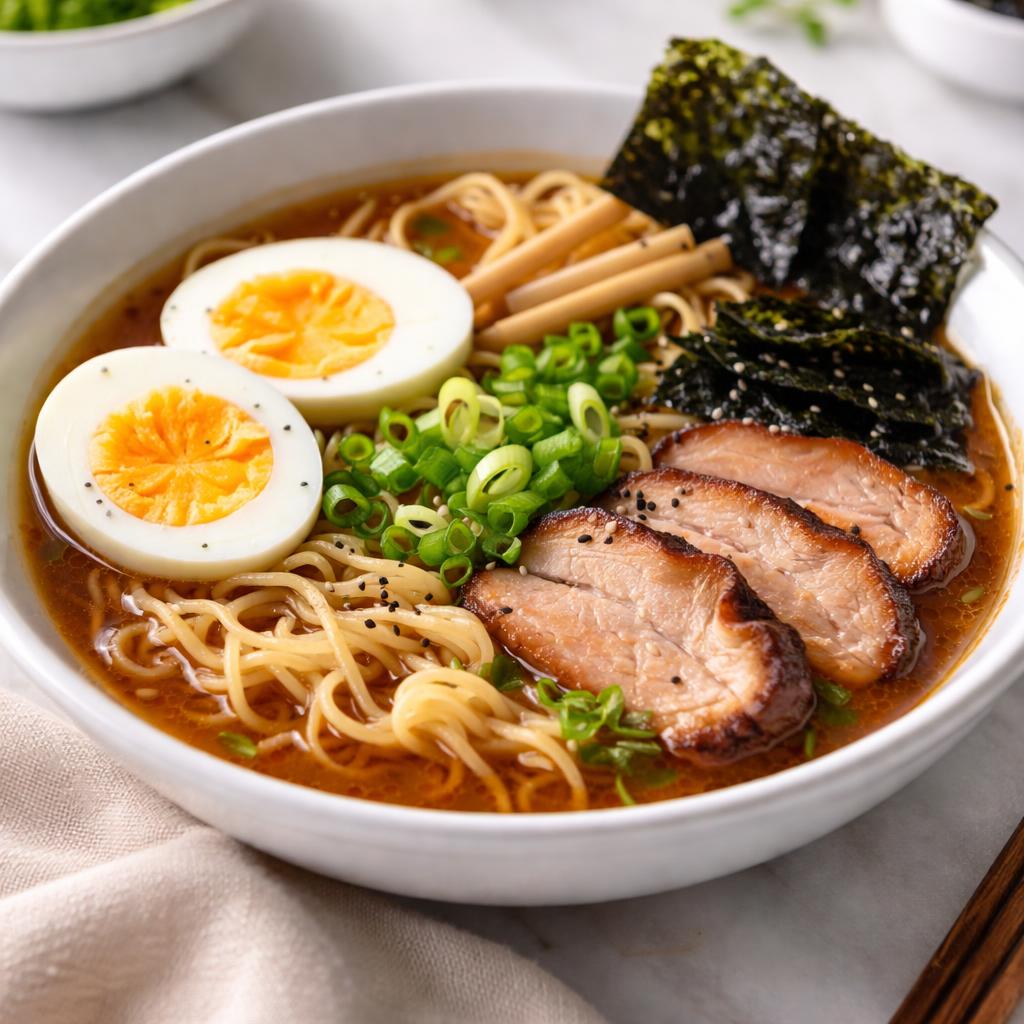
Ramen Noodles
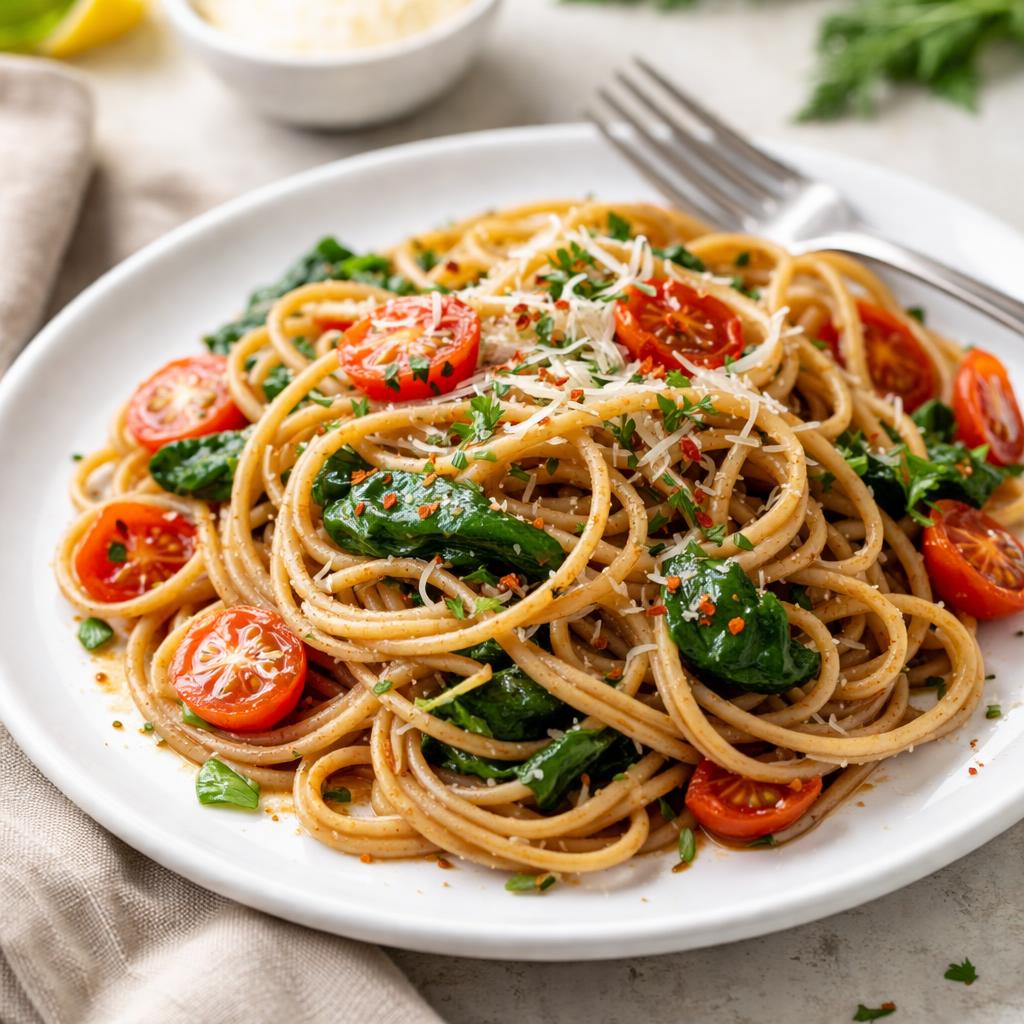
Whole Grain Pasta
🎯 Quick Verdict
Whole grain pasta offers significantly higher nutritional density compared to ramen noodles. It contains more protein, fiber, vitamins, and minerals, making it better for sustained energy and overall health. Ramen noodles may be a convenient option but are lower in nutrients and typically higher in sodium, making them less ideal for health-focused diets.

Smart Nutrition Tracking with SnapCalorie

📊 Nutritional Comparison
Macronutrients
| Nutrient | Food 1 | Food 2 | Winner |
|---|---|---|---|
| Calories | 190 | 190 | − |
| Protein | 4g | 8g | ✓ |
| Carbs | 27g | 37g | ✓ |
| Fat | 7g | 1g | ✓ |
| Fiber | 1g | 6g | ✓ |
Vitamins & Minerals
| Nutrient | Food 1 | Food 2 | Winner |
|---|---|---|---|
| Vitamin B3 (Niacin) | 1mg | 2mg | ✓ |
| Calcium | 10mg | 20mg | ✓ |
| Iron | 1mg | 2mg | ✓ |
🏆 Category Winners
Protein
Food2 has double the protein content per serving.
Fiber
Food2 provides six times more fiber than food1.
Calories
Both foods have similar calorie counts per serving.
Vitamins
Food2 offers higher levels of Vitamin B3, calcium, and iron overall.
🥗 Diet Compatibility
Keto
Food 1: Not Compatible
Food 2: Not Compatible
Both are high-carb foods unsuitable for keto diets.
Vegan
Food 1: Compatible
Food 2: Compatible
Both are plant-based options.
Gluten Free
Food 1: Not Compatible
Food 2: Not Compatible
Both are made from gluten-containing grains.
Paleo
Food 1: Not Compatible
Food 2: Not Compatible
Neither fits paleo guidelines as processed grains are excluded.
Low-Carb
Food 1: Not Compatible
Food 2: Not Compatible
Both foods contain high carbohydrate amounts per serving.
💪 Health Benefits Comparison
Food 1 Benefits
- Convenient and quick meal option
- Provides a source of carbohydrates for energy
- Moderate calorie count per serving
Food 2 Benefits
- Rich in fiber for digestion and gut health
- Good source of plant-based protein
- Provides sustained energy due to complex carbs
- Contains essential vitamins and minerals like iron and calcium
✅ The Bottom Line
If you're focused on better nutrition, whole grain pasta is the clear winner, offering double the protein, six times the fiber, and more vitamins per serving than ramen noodles. Ramen noodles may be useful for time-sensitive meals or affordable options but are less ideal for health-focused diets.
Choose Food 1 for: Convenience, budget-friendly meals, quick energy boosts
Choose Food 2 for: Balanced meals, athletic performance, long-term health improvements


