Ramen Noodles VS Vegetable Rice
A detailed nutritional comparison
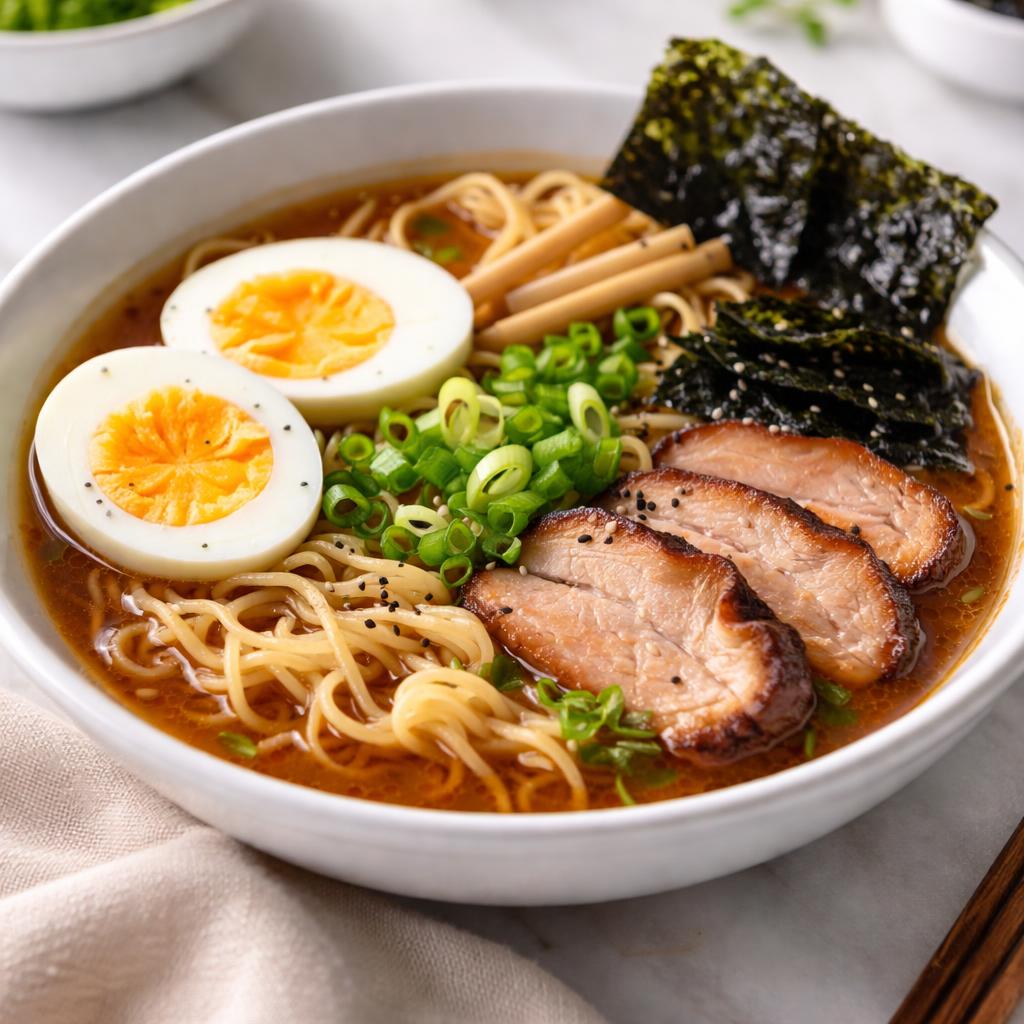
Ramen Noodles
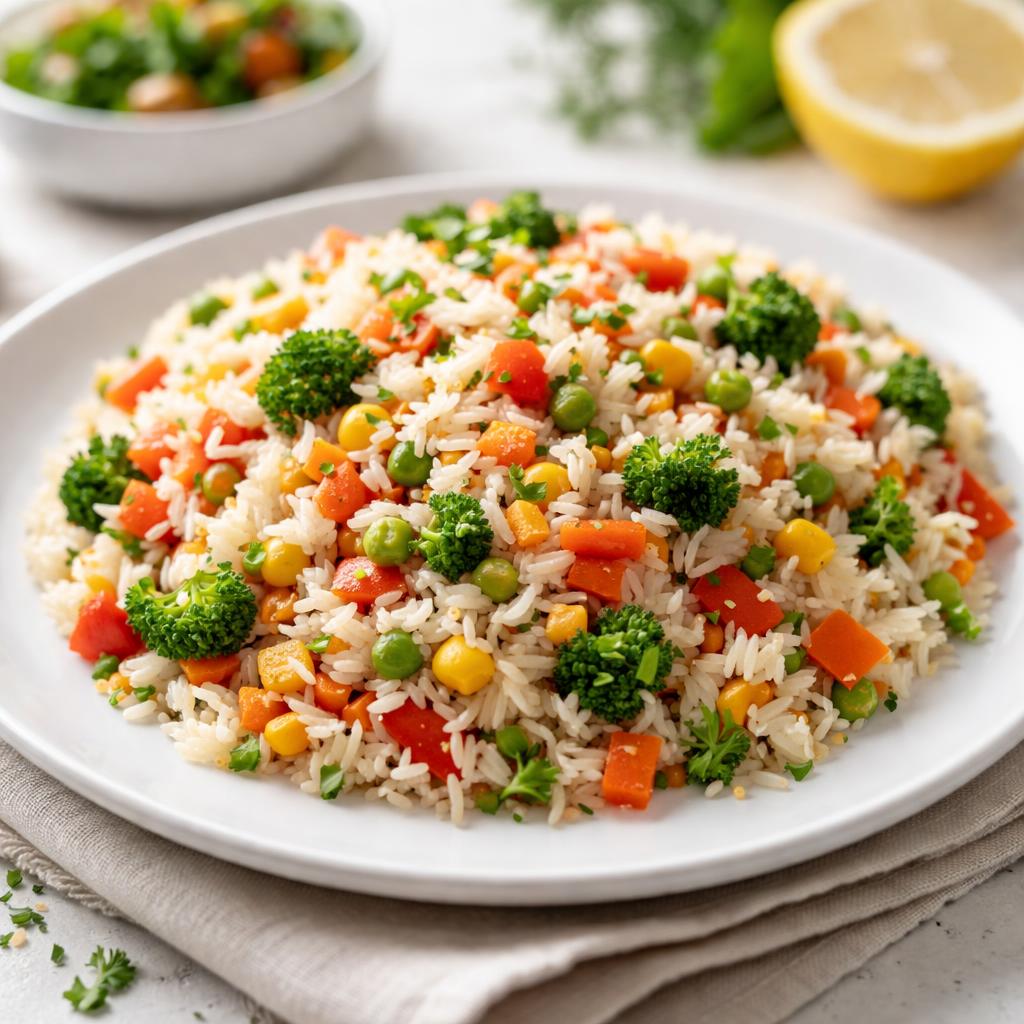
Vegetable Rice
🎯 Quick Verdict
Vegetable rice is overall nutritionally denser than ramen noodles. It has significantly more fiber, slightly higher protein, and fewer calories, making it a more balanced option for health-conscious individuals. Ramen noodles, on the other hand, are lower in certain nutrients but provide a convenient option for quick meals and energy-packed carbs, though often high in sodium.

Smart Nutrition Tracking with SnapCalorie

📊 Nutritional Comparison
Macronutrients
| Nutrient | Food 1 | Food 2 | Winner |
|---|---|---|---|
| Calories | 190 | 160 | ✓ |
| Protein | 4.5g | 5g | ✓ |
| Carbs | 26g | 28g | − |
| Fat | 7g | 3.5g | ✓ |
| Fiber | 0.5g | 3g | ✓ |
Vitamins & Minerals
| Nutrient | Food 1 | Food 2 | Winner |
|---|---|---|---|
| Vitamin C | 0mg | 5mg | ✓ |
| Vitamin A | 0IU | 200IU | ✓ |
| Iron | 1.5mg | 2mg | ✓ |
🏆 Category Winners
Protein
Vegetable rice has slightly more protein (5g vs 4.5g).
Fiber
Vegetable rice contains 3g of fiber, far surpassing ramen’s 0.5g.
Calories
Vegetable rice is lower in calories (160 vs 190).
Vitamins
Vegetable rice provides more Vitamin C, A, and Iron compared to ramen noodles.
🥗 Diet Compatibility
Keto
Food 1: Not Compatible
Food 2: Not Compatible
Both are high-carb and not suitable for ketosis.
Vegan
Food 1: Compatible
Food 2: Compatible
Both foods are plant-based and appropriate for vegan diets.
Gluten Free
Food 1: Not Compatible
Food 2: Compatible
Ramen noodles typically contain gluten, while vegetable rice does not.
Paleo
Food 1: Not Compatible
Food 2: Compatible
Ramen noodles contain processed grains, whereas vegetable rice fits a paleo framework.
Low-Carb
Food 1: Not Compatible
Food 2: Not Compatible
Both foods are carbohydrate-rich and unsuitable for low-carb diets.
💪 Health Benefits Comparison
Food 1 Benefits
- Convenient and quick to prepare
- Source of quick energy from carbohydrates
- Affordable and widely available
Food 2 Benefits
- Rich in fiber to support digestion
- Provides essential vitamins like Vitamin A and C
- Low in fat, supporting heart health
✅ The Bottom Line
Though ramen noodles can be a quick and affordable meal, vegetable rice stands out as the more nutritionally balanced and health-supportive option. Choose ramen for convenience and energy during busy periods, and vegetable rice for sustained nutrition and overall health benefits.
Choose Food 1 for: Quick energy, budget-friendly meals, carb-loading
Choose Food 2 for: Balanced nutrition, weight management, fiber and vitamin intake


