Ramen Noodles VS Rice Soup
A detailed nutritional comparison
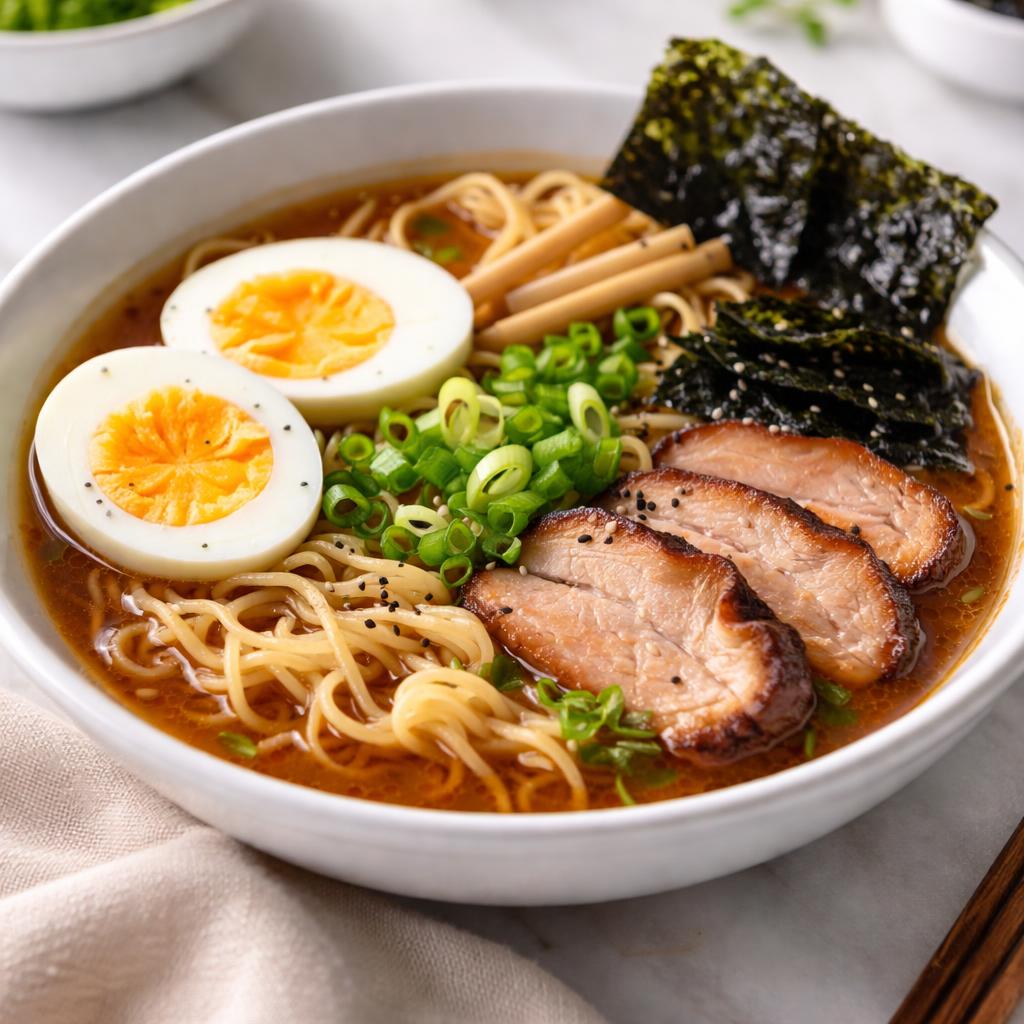
Ramen Noodles
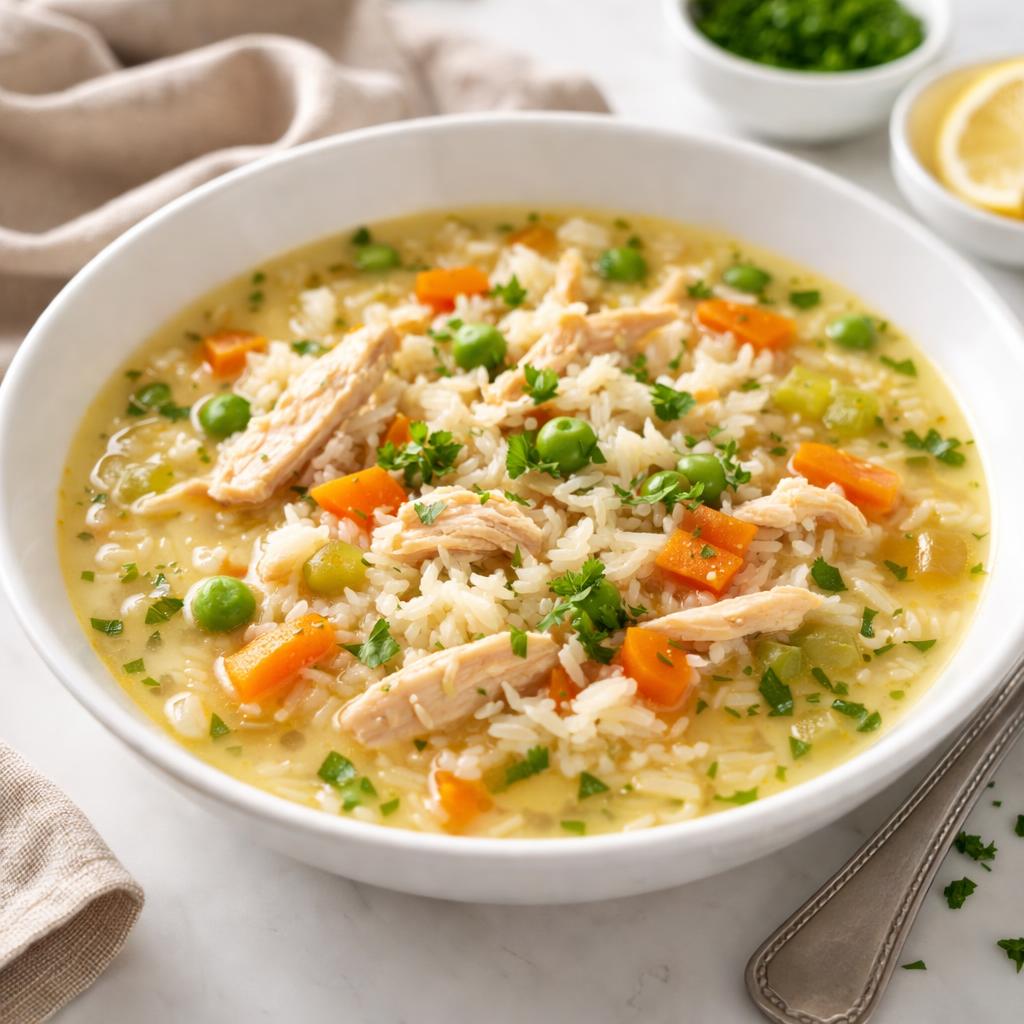
Rice Soup
🎯 Quick Verdict
Rice soup is overall a more nutrient-dense, lower-calorie option compared to ramen noodles. While both provide similar protein content, rice soup surpasses ramen in fiber, vitamins, and lower fat. Ramen noodles are more calorie-dense and higher in sodium, making them better for quick energy boosts rather than overall health-focused diets like heart health or weight management plans.

Smart Nutrition Tracking with SnapCalorie

📊 Nutritional Comparison
Macronutrients
| Nutrient | Food 1 | Food 2 | Winner |
|---|---|---|---|
| Calories | 190 | 120 | ✓ |
| Protein | 5g | 5g | − |
| Carbs | 27g | 20g | ✓ |
| Fat | 7g | 3g | ✓ |
| Fiber | 1g | 2g | ✓ |
Vitamins & Minerals
| Nutrient | Food 1 | Food 2 | Winner |
|---|---|---|---|
| Vitamin D | 0mcg | 0mcg | − |
| Calcium | 10mg | 20mg | ✓ |
| Iron | 1.5mg | 3mg | ✓ |
🏆 Category Winners
Protein
Both foods contain 5g of protein per serving—neither is rich in protein.
Fiber
Rice soup has twice the fiber content (2g vs 1g).
Calories
Rice soup offers significantly fewer calories per serving (120 vs 190).
Vitamins
Rice soup provides more iron and calcium, supporting bone health and oxygen transport.
🥗 Diet Compatibility
Keto
Food 1: Not Compatible
Food 2: Not Compatible
Both foods are high in carbohydrates.
Vegan
Food 1: Depends on preparation
Food 2: Compatible
Rice soup is typically plant-based; ramen noodles depend on ingredients.
Gluten Free
Food 1: Not Compatible
Food 2: Compatible
Ramen noodles usually contain wheat; rice soup is gluten-free.
Paleo
Food 1: Not Compatible
Food 2: Compatible
Rice soup fits paleo guidelines, while ramen is processed.
Low Carb
Food 1: Not Compatible
Food 2: Not Compatible
Both are too high in carbs for strict low-carb diets.
💪 Health Benefits Comparison
Food 1 Benefits
- Quick energy source due to high carbohydrate content
- Contains small amounts of iron for oxygen transport
- Easy to prepare for convenience
Food 2 Benefits
- Lower in fat for heart health
- Good source of fiber for improved digestion
- Higher calcium and iron content for bone health and energy production
- Lower calorie count supports weight management
✅ The Bottom Line
Rice soup is a better choice for those seeking a low-calorie, nutrient-dense option, while ramen noodles may be preferred for quick energy or comfort food cravings. Both foods are low in protein, so pair them with protein-rich sides for a balanced meal.
Choose Food 1 for: Quick meals, energy boost, easy preparation
Choose Food 2 for: Weight management, nutrient density, digestive health


