Ramen Noodles VS Cooked White Rice
A detailed nutritional comparison
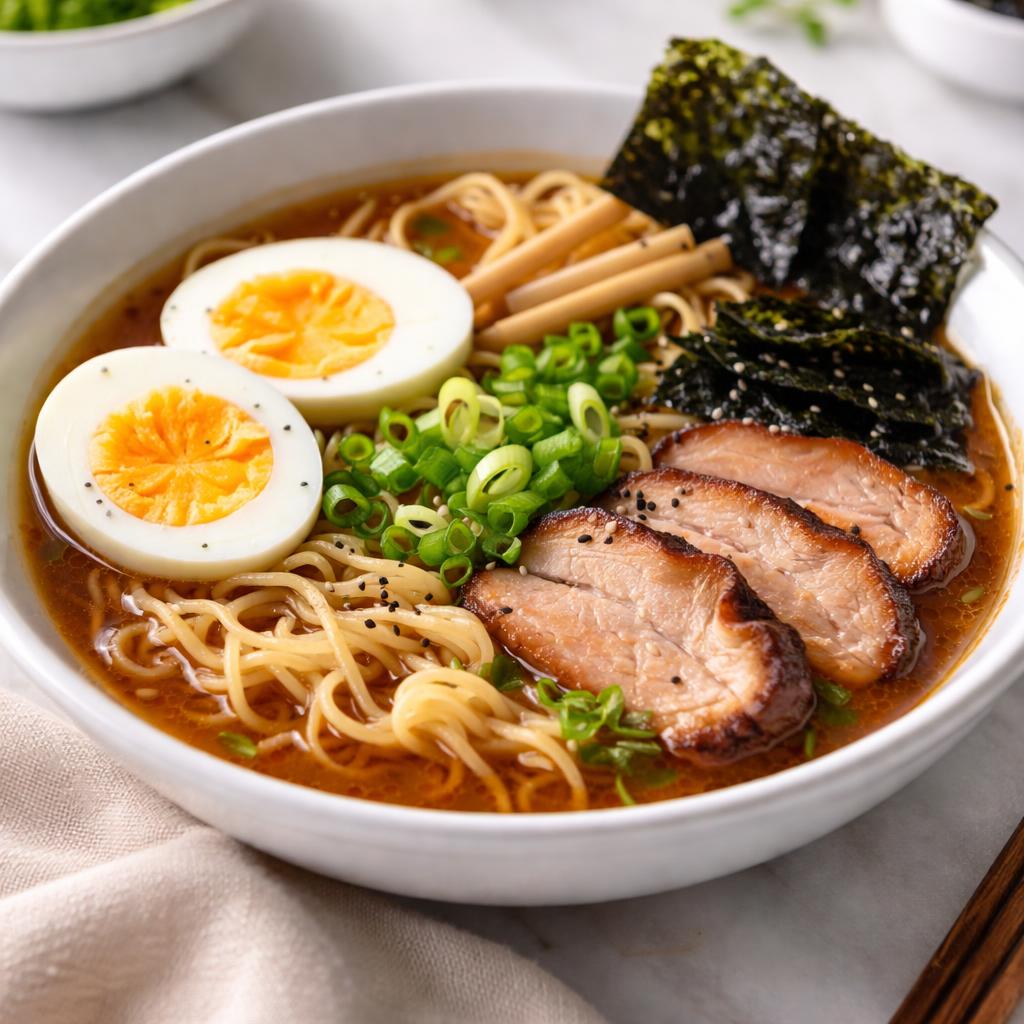
Ramen Noodles
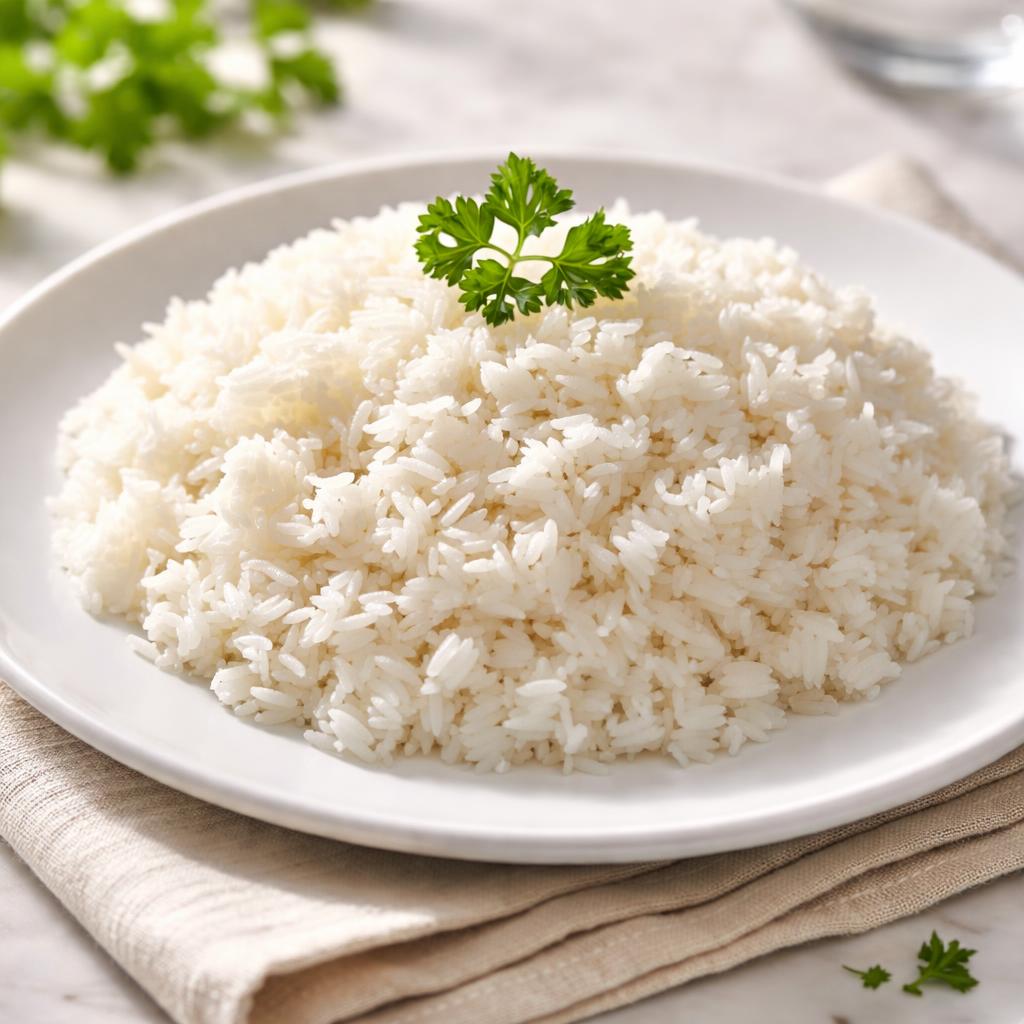
Cooked White Rice
🎯 Quick Verdict
Ramen noodles provide slightly more protein and fiber compared to cooked white rice, but they have higher calories, fat, and sodium. Meanwhile, white rice is lower in calories and fat and easier to modify for special diets. Ramen is better for quick, satisfying meals, while rice offers versatility for various cuisines and a more balanced nutrient profile.

Smart Nutrition Tracking with SnapCalorie

📊 Nutritional Comparison
Macronutrients
| Nutrient | Food 1 | Food 2 | Winner |
|---|---|---|---|
| Calories | 190 | 130 | ✓ |
| Protein | 5g | 2.7g | ✓ |
| Carbs | 27g | 28g | ✓ |
| Fat | 6g | 0.3g | ✓ |
| Fiber | 1g | 0.3g | ✓ |
Vitamins & Minerals
| Nutrient | Food 1 | Food 2 | Winner |
|---|---|---|---|
| Vitamin D | 0mcg | 0mcg | − |
| Calcium | 20mg | 10mg | ✓ |
| Iron | 2mg | 0.2mg | ✓ |
🏆 Category Winners
Protein
Ramen noodles have nearly double the protein of white rice per serving.
Fiber
Ramen provides over three times more fiber than white rice.
Calories
White rice has 32% fewer calories per serving, making it a lighter option.
Vitamins
Ramen noodles contain significantly more calcium and iron than white rice.
🥗 Diet Compatibility
Keto
Food 1: Not Compatible
Food 2: Not Compatible
Both are high-carb and not suitable for ketogenic diets.
Vegan
Food 1: Compatible
Food 2: Compatible
Both are plant-based and suitable for vegan diets.
Gluten Free
Food 1: Not Compatible
Food 2: Compatible
White rice is naturally gluten-free, while most ramen contains wheat.
Paleo
Food 1: Not Compatible
Food 2: Not Compatible
Neither food fits the grain-free paleo diet.
Low-Carb
Food 1: Not Compatible
Food 2: Not Compatible
Both are high in carbohydrates, unsuitable for low-carb diets.
💪 Health Benefits Comparison
Food 1 Benefits
- Provides quick energy due to high carbohydrate content
- Contains iron for supporting oxygen transport and energy levels
- Low fiber content may ease digestion for sensitive stomachs
Food 2 Benefits
- Low in fat and a great option for calorie-controlled diets
- Gluten-free, suitable for people with celiac disease or gluten intolerance
- Versatile base for nutrient-packed meals with added vegetables or protein
✅ The Bottom Line
Ramen noodles are a convenient and satisfying option for those seeking quick meals with higher protein and some minerals, but their higher calorie, carb, and sodium content may not suit all diets. White rice is lighter, more versatile, and gluten-free, making it a better option for calorie control and use in balanced meals.
Choose Food 1 for: Quick meals, post-workout energy, higher protein intake
Choose Food 2 for: Low-calorie diets, gluten-free lifestyles, versatile meal bases


