Quinoa VS Protein Pasta
A detailed nutritional comparison
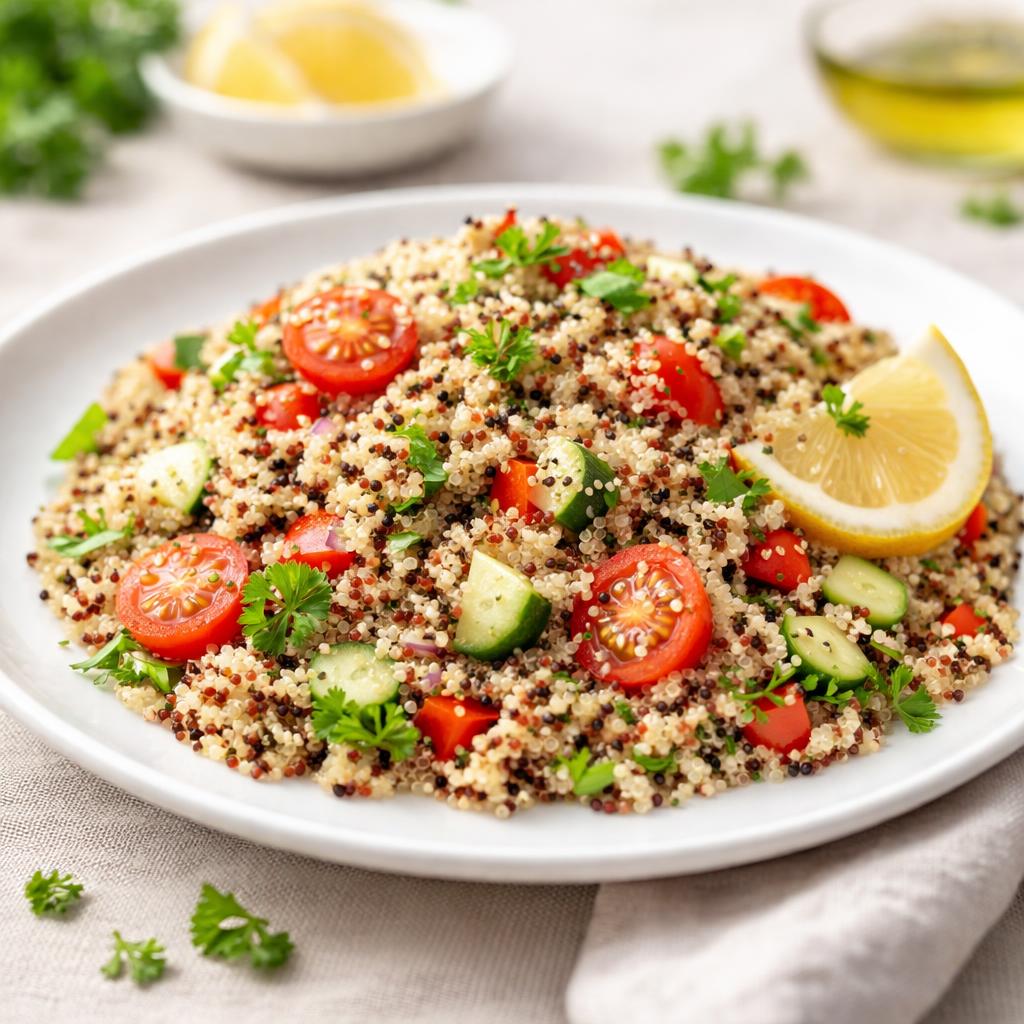
Quinoa
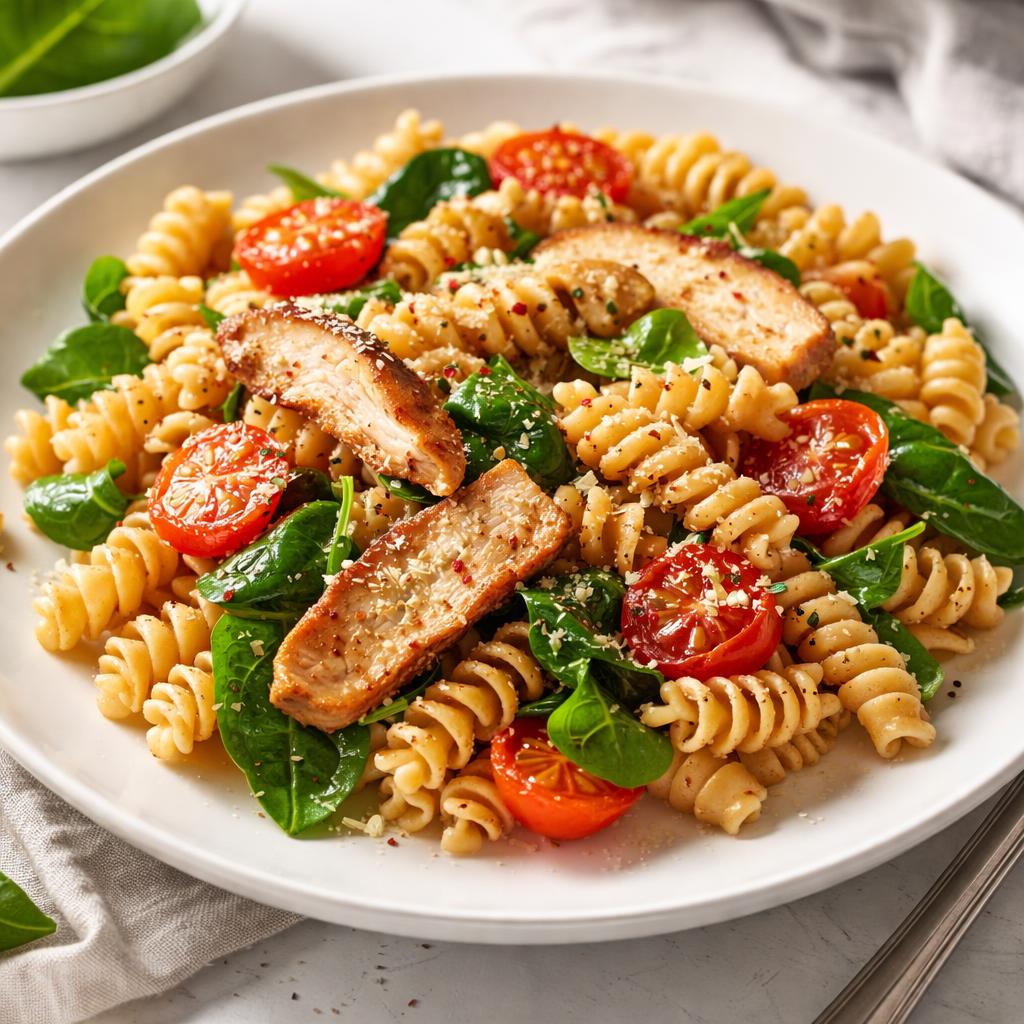
Protein Pasta
🎯 Quick Verdict
Protein pasta outshines quinoa in protein content, making it an excellent choice for high-protein diets, while quinoa offers more fiber and slightly fewer calories, making it great for overall digestive health. Both foods are nutrient-dense but serve different purposes depending on dietary goals and activity levels.

Smart Nutrition Tracking with SnapCalorie

📊 Nutritional Comparison
Macronutrients
| Nutrient | Food 1 | Food 2 | Winner |
|---|---|---|---|
| Calories | 120 per 1/2 cup, cooked | 190 per serving | ✓ |
| Protein | 4g | 14g | ✓ |
| Carbs | 21g | 35g | ✓ |
| Fat | 1.9g | 1.5g | ✓ |
| Fiber | 2.5g | 1.5g | ✓ |
Vitamins & Minerals
| Nutrient | Food 1 | Food 2 | Winner |
|---|---|---|---|
| Vitamin B1 (Thiamine) | 0.1mg | 0.15mg | ✓ |
| Iron | 2mg | 3mg | ✓ |
| Calcium | 15mg | 25mg | ✓ |
| Magnesium | 64mg | 30mg | ✓ |
🏆 Category Winners
Protein
Protein pasta contains 3.5x more protein per serving compared to quinoa, making it ideal for muscle maintenance.
Fiber
Quinoa provides 67% more fiber than protein pasta per serving, supporting better digestion.
Calories
Quinoa has 37% fewer calories per serving than protein pasta, making it a lower-calorie option.
Vitamins
Protein pasta has slightly higher levels of vitamins (like thiamine and iron), which support energy production and oxygen transport.
🥗 Diet Compatibility
Keto
Food 1: Not Compatible
Food 2: Not Compatible
Both foods are high in carbs, making them unsuitable for keto diets.
Vegan
Food 1: Compatible
Food 2: Depends on brand
Quinoa is naturally vegan; most protein pasta brands are compatible unless they use animal-derived additives.
Gluten Free
Food 1: Compatible
Food 2: Depends on brand
Quinoa is gluten-free by nature; gluten-free protein pasta brands are widely available.
Paleo
Food 1: Compatible
Food 2: Not Compatible
Quinoa complies with paleo guidelines; protein pasta is processed and typically non-compliant.
Low-Carb
Food 1: Not Compatible
Food 2: Not Compatible
Both foods contain moderate-to-high amounts of carbs per serving.
💪 Health Benefits Comparison
Food 1 Benefits
- Rich in fiber to aid digestion and promote gut health
- High in magnesium for muscle relaxation and bone health
- Contains essential amino acids for balanced protein intake
- Supports healthy blood sugar levels due to its complex carbs
Food 2 Benefits
- High protein content for muscle repair and energy balance
- Provides iron for improved oxygen transport in the body
- Low fat content supports heart health
- Rich in thiamine, which aids in energy metabolism
✅ The Bottom Line
Choose quinoa for a balanced source of fiber, essential nutrients, and lower calorie count, especially if prioritizing digestion or weight loss. Protein pasta is better suited for high-protein diets, active lifestyles, or post-workout meals. Both can complement a healthy diet depending on your specific needs.
Choose Food 1 for: Digestive health, balanced calorie control, plant-based diets
Choose Food 2 for: High protein diets, muscle recovery, energy-intensive activities


