Quinoa VS Buckwheat
A detailed nutritional comparison
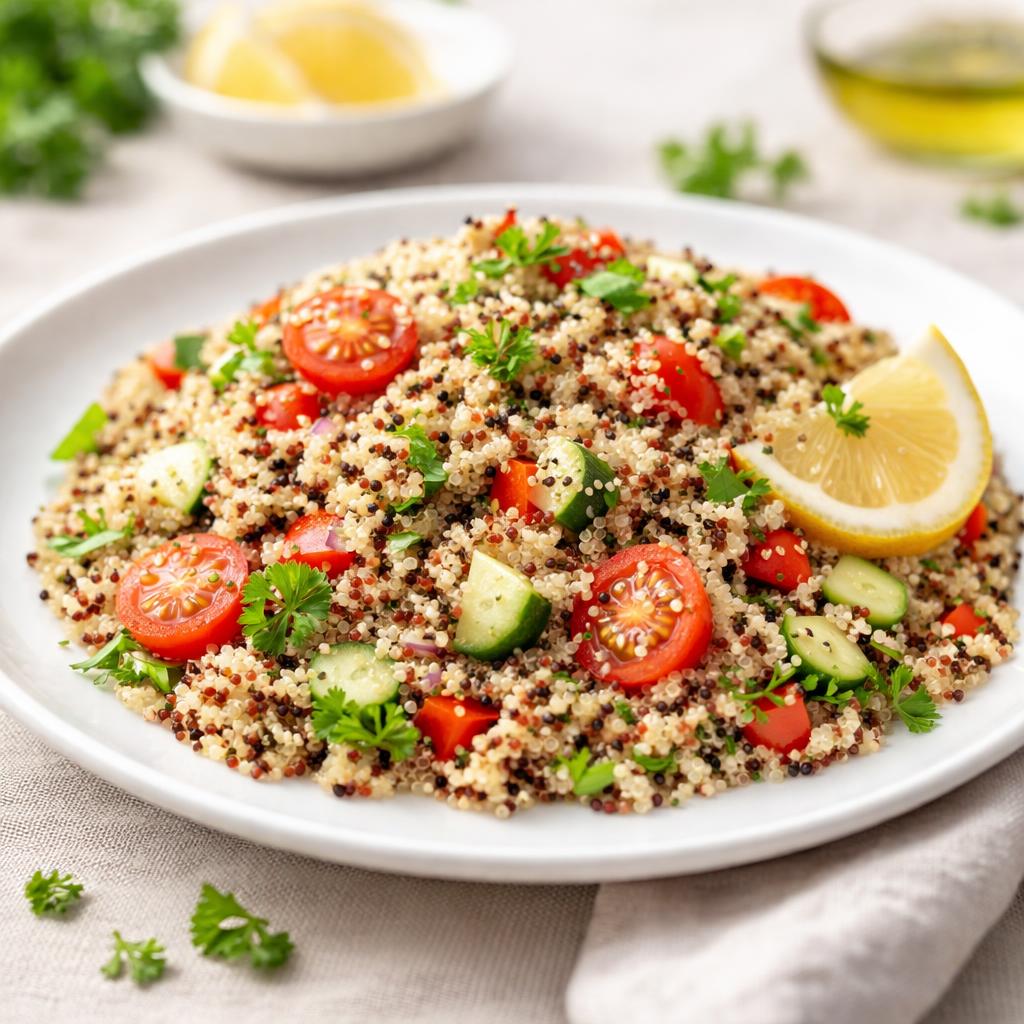
Quinoa
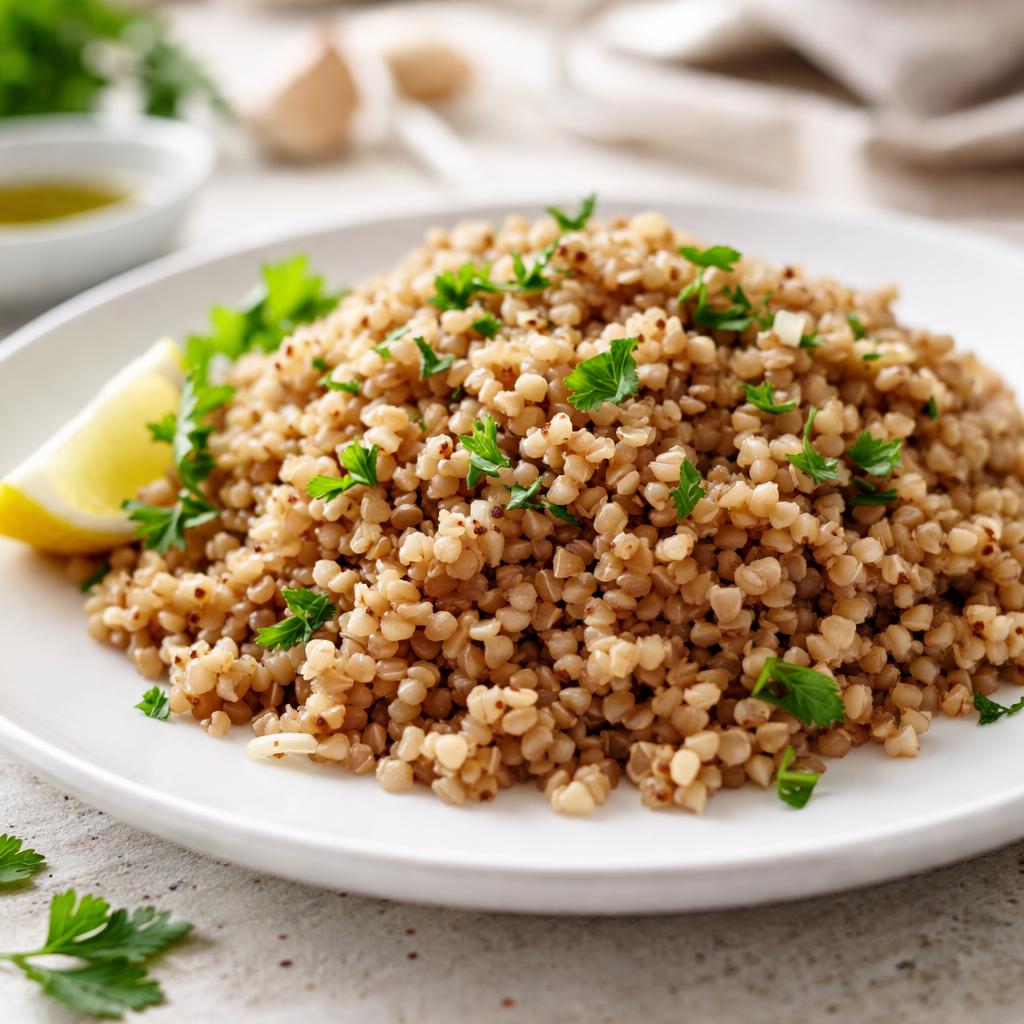
Buckwheat
🎯 Quick Verdict
Quinoa and buckwheat are both nutrient-dense grains with unique advantages. Quinoa has slightly higher protein per serving, making it ideal for muscle growth and post-workout meals. Buckwheat edges ahead with more fiber for digestion and heart health. Both are gluten-free, vegan-friendly, and versatile in cooking, perfect for various dietary needs like vegan and paleo diets.

Smart Nutrition Tracking with SnapCalorie

📊 Nutritional Comparison
Macronutrients
| Nutrient | Food 1 | Food 2 | Winner |
|---|---|---|---|
| Calories | 120 | 120 | − |
| Protein | 4.1g | 3.6g | − |
| Carbs | 21.3g | 25.0g | − |
| Fat | 1.9g | 1.0g | − |
| Fiber | 2.8g | 4.5g | − |
Vitamins & Minerals
| Nutrient | Food 1 | Food 2 | Winner |
|---|---|---|---|
| Iron | 1.5mg | 2.2mg | − |
| Magnesium | 64mg | 86mg | − |
| Potassium | 172mg | 112mg | − |
| Vitamin B6 | 0.13mg | 0.15mg | − |
🏆 Category Winners
Protein
Quinoa has 14% more protein per serving.
Fiber
Buckwheat contains 60% more fiber per serving.
Calories
Both foods have identical calorie counts (120 per serving).
Vitamins
Buckwheat is the better source of essential minerals like magnesium and iron.
🥗 Diet Compatibility
Keto
Food 1: Not Compatible
Food 2: Not Compatible
Both foods are high in carbs and unsuitable for keto diets.
Vegan
Food 1: Compatible
Food 2: Compatible
Both are plant-based and rich in nutrients.
Gluten Free
Food 1: Compatible
Food 2: Compatible
Neither quinoa nor buckwheat contain gluten.
Paleo
Food 1: Compatible
Food 2: Compatible
Both fit into the paleo framework as unprocessed, whole foods.
Low Carb
Food 1: Not Compatible
Food 2: Not Compatible
Both foods exceed typical low-carb thresholds with 20-25g of carbs per serving.
💪 Health Benefits Comparison
Food 1 Benefits
- High-quality complete protein, containing all nine essential amino acids
- Rich in potassium for electrolyte balance and heart health
- Gluten-free and suitable for sensitive stomachs
Food 2 Benefits
- High fiber content promotes healthy digestion and gut health
- Rich in magnesium, supporting muscle and nerve function
- Good source of antioxidants, reducing inflammation
✅ The Bottom Line
Quinoa is better suited for those focusing on protein intake or post-workout recovery, while buckwheat is ideal for improving digestion and boosting mineral intake. Both are excellent gluten-free, vegan-friendly staples for diverse recipes.
Choose Food 1 for: Protein-focused meals, muscle recovery, gluten-free diets
Choose Food 2 for: Digestive health, mineral boost, low-inflammatory diets


