Quinoa VS Brown Basmati Rice
A detailed nutritional comparison
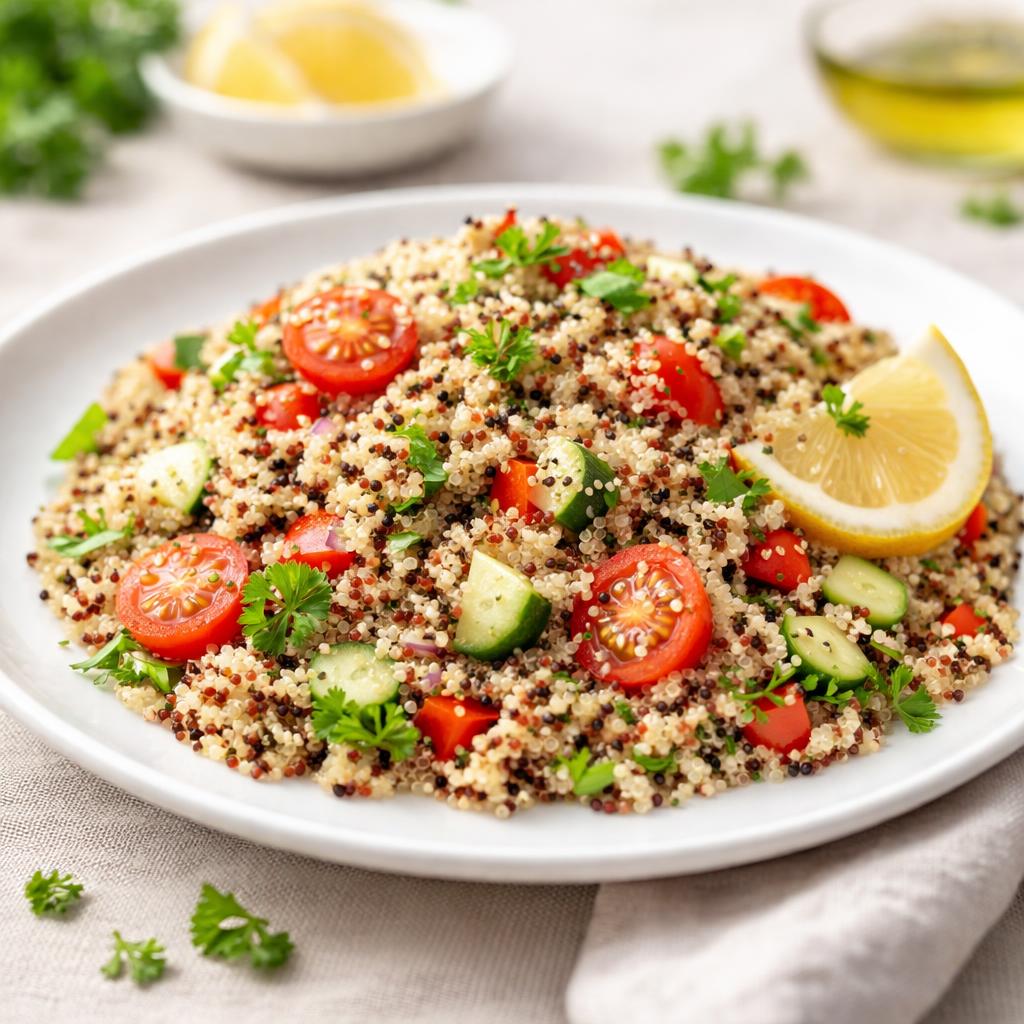
Quinoa
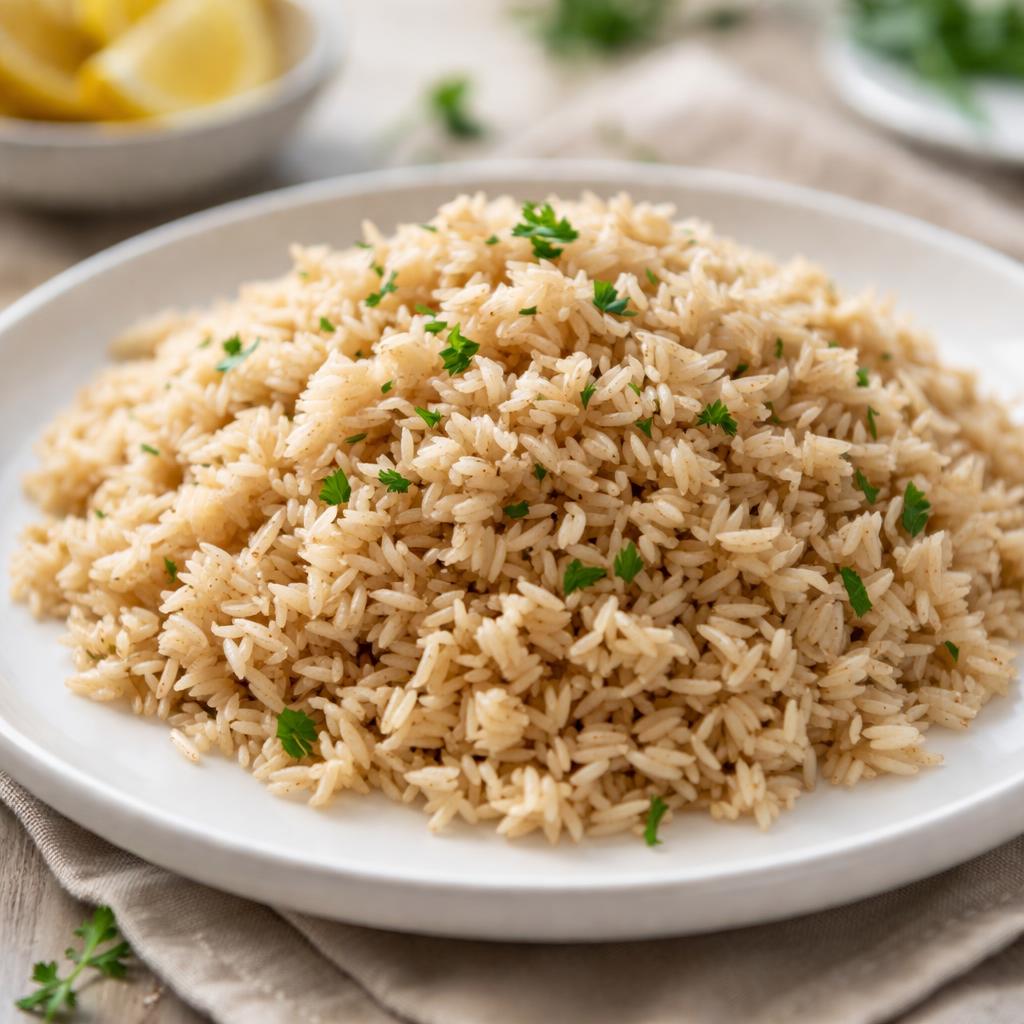
Brown Basmati Rice
🎯 Quick Verdict
Quinoa is nutritionally dense, offering more protein and fiber, along with fewer calories per serving compared to brown basmati rice. Brown basmati rice is slightly richer in carbohydrates and delivers sustained energy, ideal for longer activities. Both are versatile grains suitable for plant-based diets, but quinoa stands out for higher nutrient density and amino acid profile.

Smart Nutrition Tracking with SnapCalorie

📊 Nutritional Comparison
Macronutrients
| Nutrient | Food 1 | Food 2 | Winner |
|---|---|---|---|
| Calories | 120 cal (per 100g, cooked) | 140 cal (per 100g, cooked) | ✓ |
| Protein | 4.1g | 3.5g | ✓ |
| Carbs | 21.3g | 31.0g | ✓ |
| Fat | 1.9g | 0.5g | ✓ |
| Fiber | 2.8g | 1.1g | ✓ |
Vitamins & Minerals
| Nutrient | Food 1 | Food 2 | Winner |
|---|---|---|---|
| Magnesium | 64mg | 39mg | ✓ |
| Iron | 1.5mg | 0.4mg | ✓ |
| Vitamin B6 | 0.1mg | 0.12mg | ✓ |
| Thiamin (B1) | 0.1mg | 0.05mg | ✓ |
🏆 Category Winners
Protein
Quinoa has 17% more protein per serving, making it ideal for muscle support and growth.
Fiber
Quinoa has over twice the fiber per 100g cooked serving compared to brown basmati rice.
Calories
Quinoa has approximately 14% fewer calories per cooked portion.
Vitamins
Quinoa is richer in essential minerals like magnesium and iron, which contribute to bone health and oxygen transport.
🥗 Diet Compatibility
Keto
Food 1: Not Compatible
Food 2: Not Compatible
Both foods are relatively high in carbohydrates and unsuitable for ketogenic diets.
Vegan
Food 1: Compatible
Food 2: Compatible
Both are plant-based and suitable for vegan diets.
Gluten Free
Food 1: Compatible
Food 2: Compatible
Neither contains gluten, making them suitable for gluten-free diets.
Paleo
Food 1: Compatible
Food 2: Compatible
Both grains fit into a Paleo diet when considering ancient grain consumption.
Low Carb
Food 1: Not Compatible
Food 2: Not Compatible
Both contain moderate to high carbohydrates relative to low-carb diet requirements.
💪 Health Benefits Comparison
Food 1 Benefits
- Complete protein source containing all essential amino acids
- High in magnesium, supporting muscle and nerve function
- Rich in fiber, promoting digestive health and regularity
- Contains antioxidants like quercetin and kaempferol for anti-inflammatory benefits
Food 2 Benefits
- High in complex carbohydrates for sustained energy
- A source of vitamin B group, supporting metabolism and energy production
- Low fat content, ideal for heart-conscious diets
- Contains selenium, an antioxidant for boosting immunity
✅ The Bottom Line
Choose quinoa if you need a nutrient-dense, high-protein food with added fiber for digestion and reduced calorie intake. It’s best for weight loss, active lifestyles, and people prioritizing overall nutrient density. Brown basmati rice, on the other hand, provides sustained energy from complex carbs, making it suitable for athletes, long-duration activities, and traditional hearty meals.
Choose Food 1 for: Weight loss, plant-based protein, digestion support, post-workout recovery
Choose Food 2 for: Sustained energy, large meals, traditional dishes, endurance activities


