Quinoa Salad VS Toasted Bread
A detailed nutritional comparison
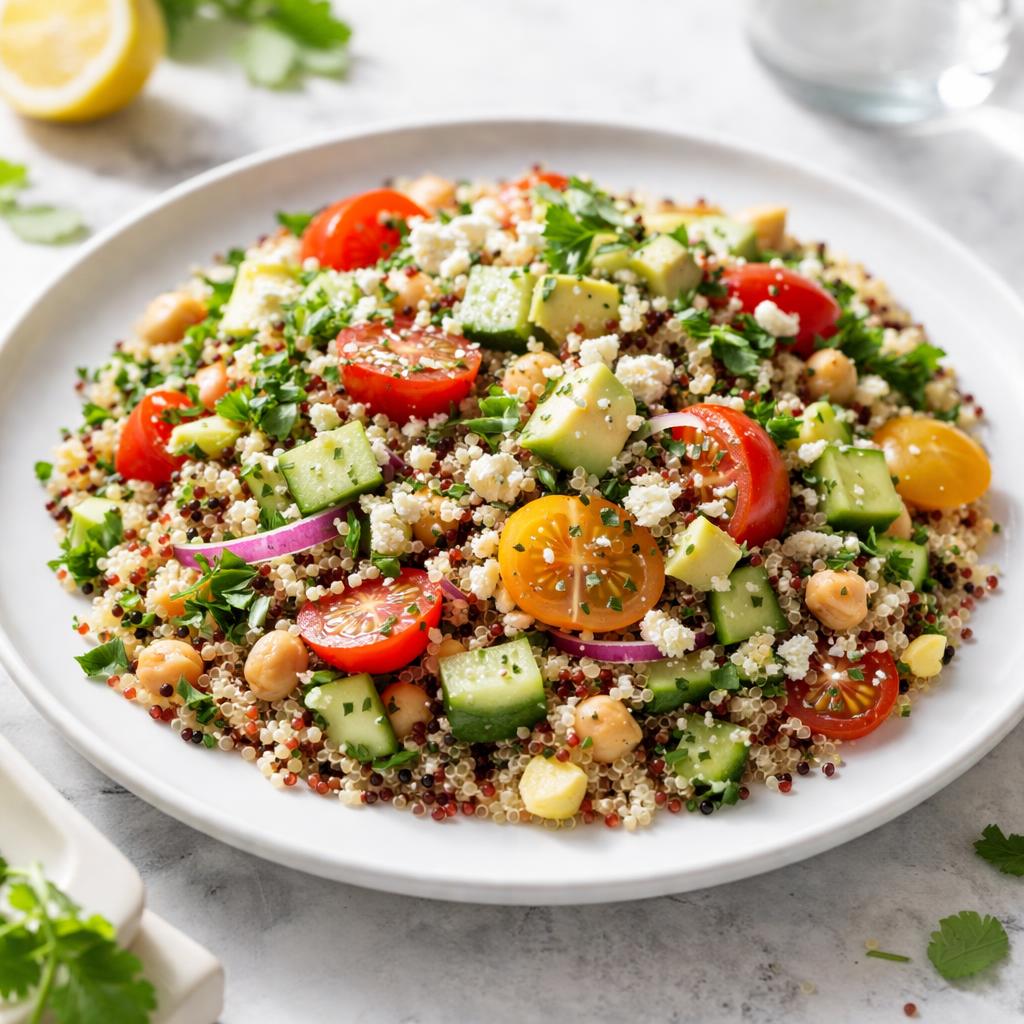
Quinoa Salad
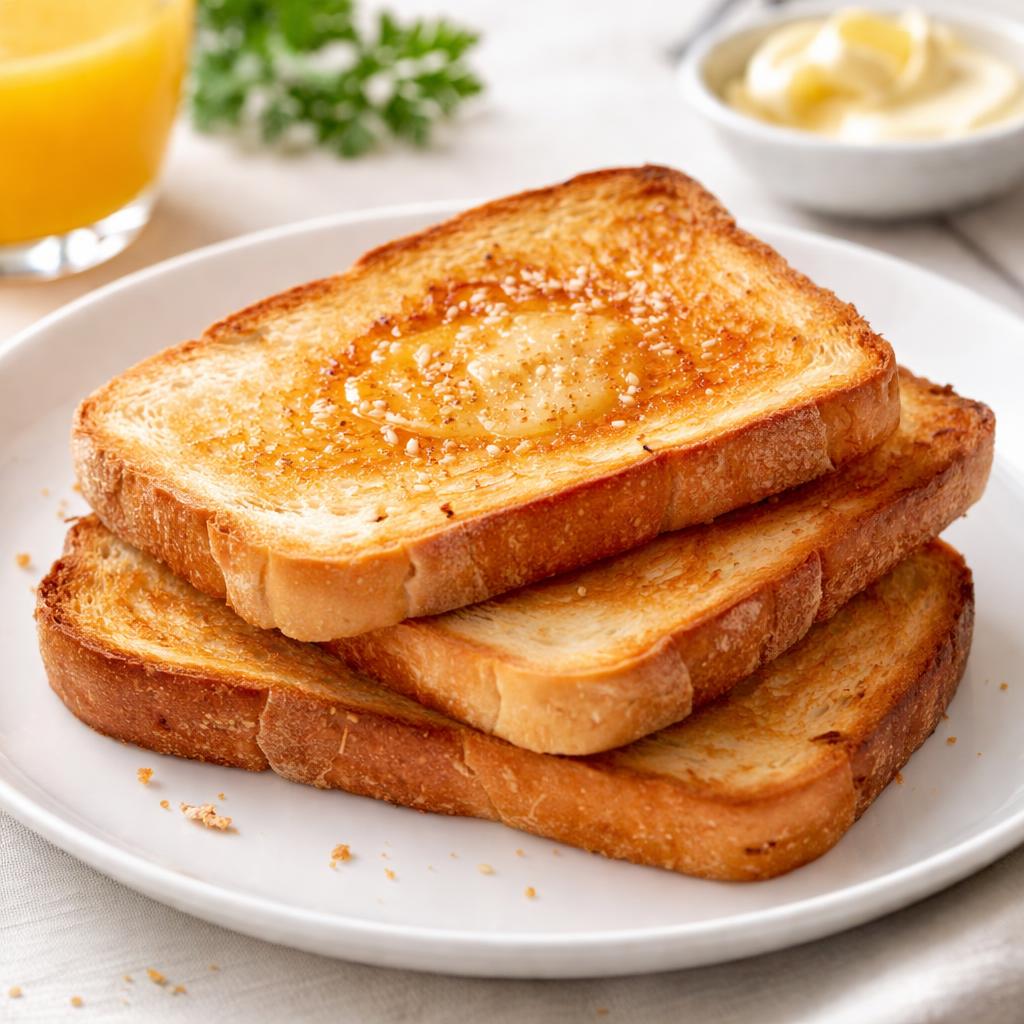
Toasted Bread
🎯 Quick Verdict
Quinoa salad excels in protein and fiber, making it a nutrient-dense option for muscle-building and digestion. Toasted bread is lower in calories and provides quick energy, but lacks the nutrient complexity of quinoa salad. Quinoa salad is ideal for balanced meals, while bread suits lighter snacks or quick carb boosts.

Smart Nutrition Tracking with SnapCalorie

📊 Nutritional Comparison
Macronutrients
| Nutrient | Food 1 | Food 2 | Winner |
|---|---|---|---|
| Calories | 200 | 120 | ✓ |
| Protein | 8g | 3g | ✓ |
| Carbs | 30g | 20g | ✓ |
| Fat | 6g | 2g | ✓ |
| Fiber | 5g | 1g | ✓ |
Vitamins & Minerals
| Nutrient | Food 1 | Food 2 | Winner |
|---|---|---|---|
| Vitamin D | 0mcg | 0mcg | − |
| Calcium | 30mg | 80mg | ✓ |
| Iron | 2.5mg | 1mg | ✓ |
| Vitamin C | 2mg | 0mg | ✓ |
🏆 Category Winners
Protein
Quinoa salad delivers sturdy 8g of protein versus toasted bread's 3g.
Fiber
Quinoa salad outpaces bread with 5g of fiber versus 1g.
Calories
Toast has fewer calories (120 vs 200), suiting calorie-conscious diets.
Vitamins
Quinoa salad contains more iron and vitamin C.
🥗 Diet Compatibility
Keto
Food 1: Not Compatible
Food 2: Not Compatible
Both are too high in carbs for ketogenic diets.
Vegan
Food 1: Compatible
Food 2: Compatible
Both are plant-based without animal derivatives.
Gluten Free
Food 1: Compatible
Food 2: Not Compatible
Quinoa salad avoids gluten, while bread contains wheat.
Paleo
Food 1: Compatible
Food 2: Not Compatible
Quinoa is paleo-friendly, but bread is processed.
Low Carb
Food 1: Not Compatible
Food 2: Not Compatible
Carb counts surpass low-carb diet thresholds in both options.
💪 Health Benefits Comparison
Food 1 Benefits
- Rich in protein for muscle repair and satiety
- High in fiber to support digestion and gut health
- Contains iron for improved energy and oxygen transport
- Provides essential antioxidants for anti-inflammatory benefits
Food 2 Benefits
- Quick source of carbohydrates for energy boosts
- Easy to digest, suitable for light meals or snacks
- Contains calcium for bone health
- Convenient and versatile for pairing with other foods
✅ The Bottom Line
For a nutrient-dense, high-protein choice, quinoa salad is the clear winner, offering better fiber and micronutrients. Toasted bread works well for a lower-calorie option or quick snack. Both have distinct strengths depending on dietary needs and scenarios.
Choose Food 1 for: Balanced meals, high-protein diets, gut health
Choose Food 2 for: Light snacks, quick carb energy, pairing with spreads


