Quinoa Salad VS Shirataki Noodles
A detailed nutritional comparison
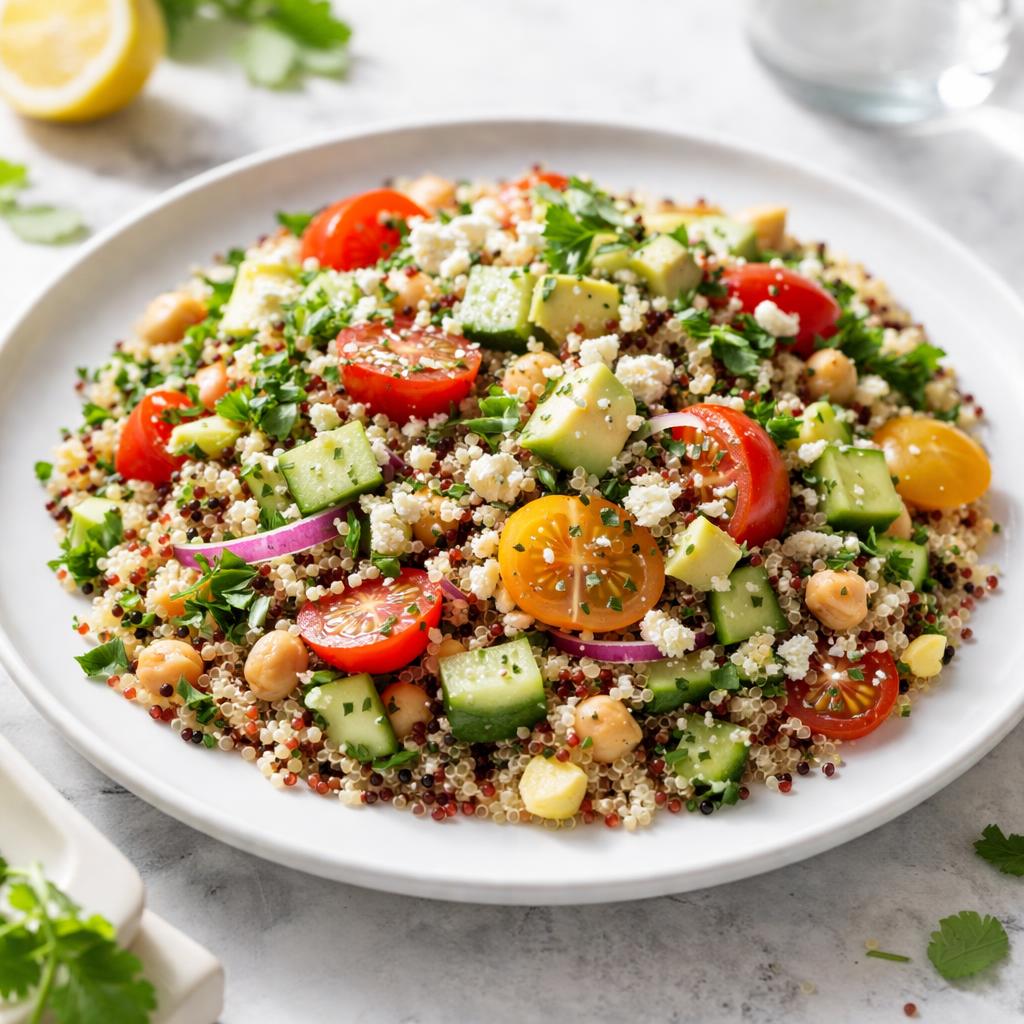
Quinoa Salad
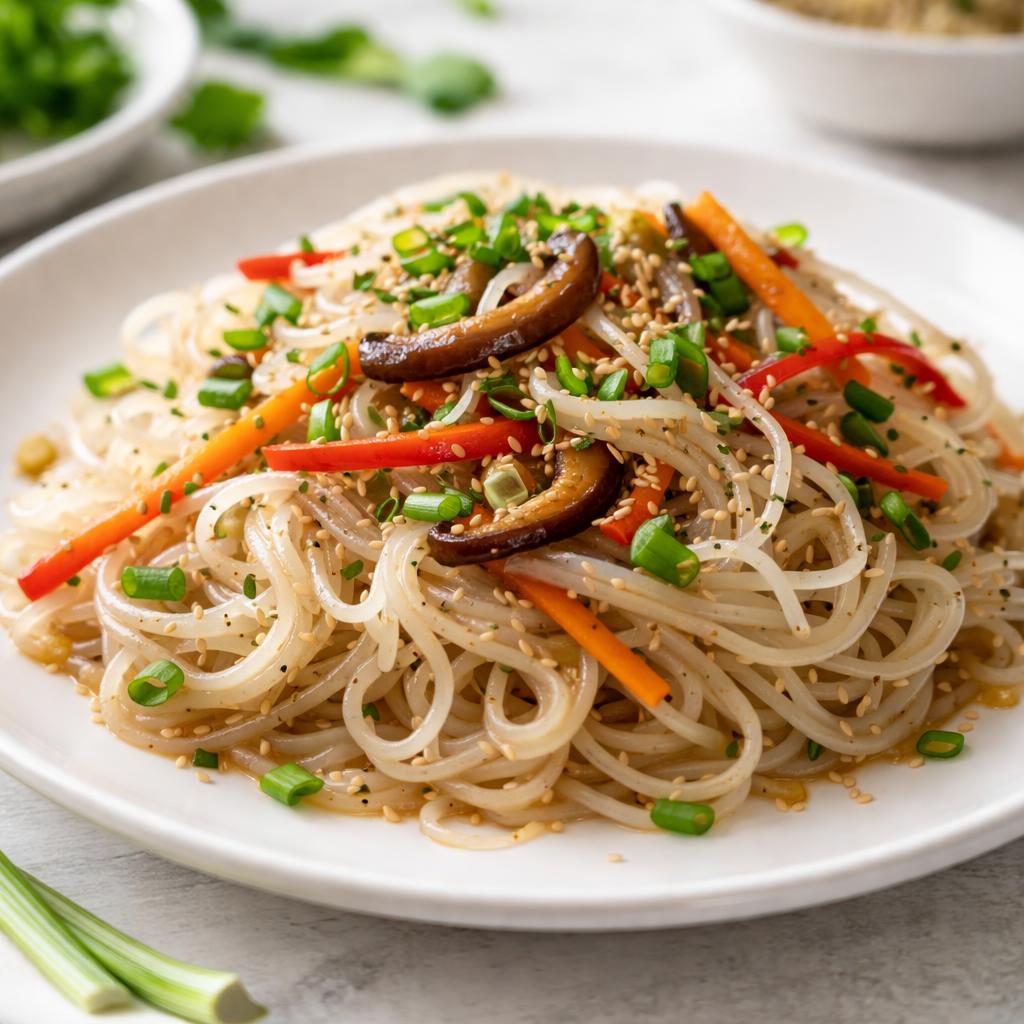
Shirataki Noodles
🎯 Quick Verdict
Quinoa salad is nutrient-dense with higher protein, fiber, and minerals, making it ideal for balanced meals and energy. Shirataki noodles are extremely low in calories and carbs, suitable for weight management or keto diets. Each food serves distinct dietary goals depending on personal health objectives.

Smart Nutrition Tracking with SnapCalorie

📊 Nutritional Comparison
Macronutrients
| Nutrient | Food 1 | Food 2 | Winner |
|---|---|---|---|
| Calories | 120 per cup | 10 per cup | ✓ |
| Protein | 4g per cup | 0g per cup | ✓ |
| Carbs | 21g per cup | 1g per cup | ✓ |
| Fat | 2g per cup | 0g per cup | ✓ |
| Fiber | 3g per cup | 2g per cup | ✓ |
Vitamins & Minerals
| Nutrient | Food 1 | Food 2 | Winner |
|---|---|---|---|
| Vitamin C | 8mg | 0mg | ✓ |
| Calcium | 30mg | 20mg | ✓ |
| Iron | 2mg | 0mg | ✓ |
🏆 Category Winners
Protein
Quinoa salad contains 4g of protein per cup compared to 0g in shirataki noodles.
Fiber
Quinoa salad offers 3g of fiber per cup versus 2g in shirataki noodles.
Calories
Shirataki noodles are far lower in calories with only 10 per cup.
🥗 Diet Compatibility
Keto
Food 1: Not Compatible
Food 2: Compatible
Shirataki noodles are extremely low-carb, while quinoa salad is higher in carbohydrates.
Vegan
Food 1: Compatible
Food 2: Compatible
Both foods are plant-based and vegan-friendly.
Gluten Free
Food 1: Compatible
Food 2: Compatible
Neither contains gluten, making them safe for gluten-free diets.
Paleo
Food 1: Compatible
Food 2: Compatible
Both foods conform to paleo principles as minimally processed, whole foods.
Low Carb
Food 1: Not Compatible
Food 2: Compatible
Quinoa has 21g of carbohydrates per cup compared to only 1g in shirataki noodles.
💪 Health Benefits Comparison
Food 1 Benefits
- Rich in plant-based protein for muscle repair and maintenance
- Contains fiber for digestive health
- High in essential nutrients like iron and vitamin C for immunity boost
- Provides sustainable energy for long-lasting fuel
Food 2 Benefits
- Low-calorie option for weight management
- Low in carbohydrates, supporting keto and diabetes-friendly diets
- Promotes fullness due to fiber content
- Supports gut health through digestive-resistant starch
✅ The Bottom Line
Quinoa salad is the better option for nutritious, balanced meals, offering higher protein, fiber, and micronutrients. Shirataki noodles excel as a low-calorie alternative for weight loss or keto diets thanks to their minimal carbohydrate and calorie content.
Choose Food 1 for: Balanced meals, post-workout recovery, nutrient boost
Choose Food 2 for: Weight management, keto, diabetes-friendly diets


