Quinoa Salad VS Mexican Rice
A detailed nutritional comparison
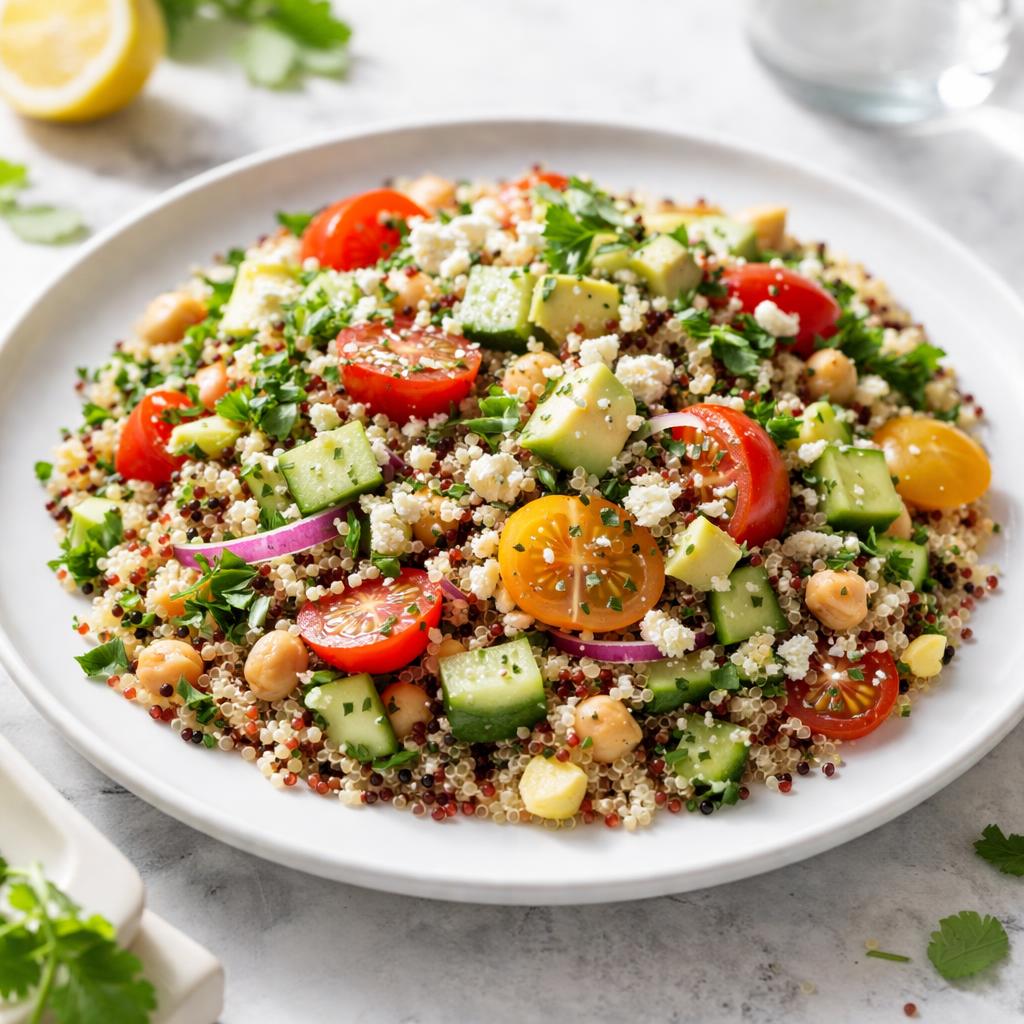
Quinoa Salad
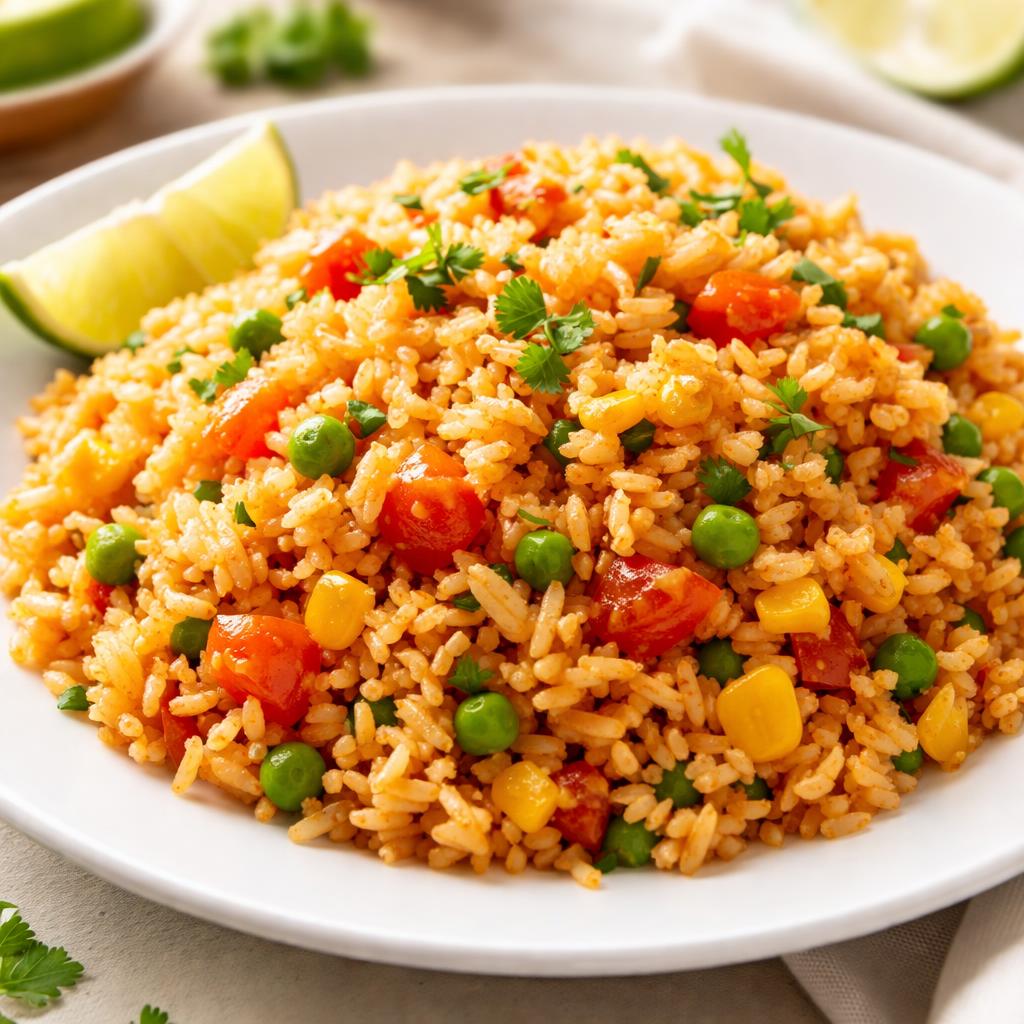
Mexican Rice
🎯 Quick Verdict
Quinoa salad is a more nutrient-dense choice than Mexican rice, offering higher protein (8g vs 4g), fiber (3.5g vs 0.8g), and fewer calories (160 vs 210). Mexican rice contains slightly more carbohydrates and is better for a quick energy boost, while quinoa salad is ideal for health-focused meals and balanced diets.

Smart Nutrition Tracking with SnapCalorie

📊 Nutritional Comparison
Macronutrients
| Nutrient | Food 1 | Food 2 | Winner |
|---|---|---|---|
| Calories | 160 | 210 | ✓ |
| Protein | 8g | 4g | ✓ |
| Carbs | 26g | 40g | ✓ |
| Fat | 5g | 6g | ✓ |
| Fiber | 3.5g | 0.8g | ✓ |
Vitamins & Minerals
| Nutrient | Food 1 | Food 2 | Winner |
|---|---|---|---|
| Vitamin C | 5mg | 2mg | ✓ |
| Iron | 2.8mg | 0.9mg | ✓ |
| Calcium | 30mg | 20mg | ✓ |
🏆 Category Winners
Protein
Quinoa salad provides double the protein per serving compared to Mexican rice.
Fiber
Quinoa salad delivers over 4x more fiber than Mexican rice.
Calories
Quinoa salad has 24% fewer calories than Mexican rice.
Vitamins
Quinoa salad is significantly richer in Vitamin C, Iron, and Calcium.
🥗 Diet Compatibility
Keto
Food 1: Not Compatible
Food 2: Not Compatible
Both are high in carbohydrates.
Vegan
Food 1: Compatible
Food 2: Compatible
Both are plant-based dishes made from grains and vegetables.
Gluten Free
Food 1: Compatible
Food 2: Compatible
Neither contains gluten if prepared traditionally.
Paleo
Food 1: Not Compatible
Food 2: Not Compatible
Both are grain-based foods not suitable for paleo diets.
Low Carb
Food 1: Not Compatible
Food 2: Not Compatible
Both foods are high-carb options unsuitable for low-carb diets.
💪 Health Benefits Comparison
Food 1 Benefits
- High protein supports muscle repair and maintenance.
- Good fiber content promotes digestive health.
- Rich in iron for improved blood oxygen levels.
- Source of antioxidants from vegetables.
Food 2 Benefits
- Quick energy boost from higher carbs.
- Contains small amounts of healthy fats for satiety.
- Flavorful and satisfying for meals with mild nutrition goals.
- Easily pairs with lean proteins and vegetables for a complete meal.
✅ The Bottom Line
Quinoa salad is a healthier option for balanced nutrition, offering higher protein, fiber, and vitamins while being lower in calories. Mexican rice is a better choice for quick energy and flavor when paired with other nutritious ingredients. Both work well for vegan and gluten-free diets, but neither are suitable for keto or paleo plans.
Choose Food 1 for: Health-focused meals, high-protein diets, post-workout recovery.
Choose Food 2 for: Flavorful side dishes, quick energy, casual meals.


