Protein Bread VS Rice With Mixed Vegetables
A detailed nutritional comparison
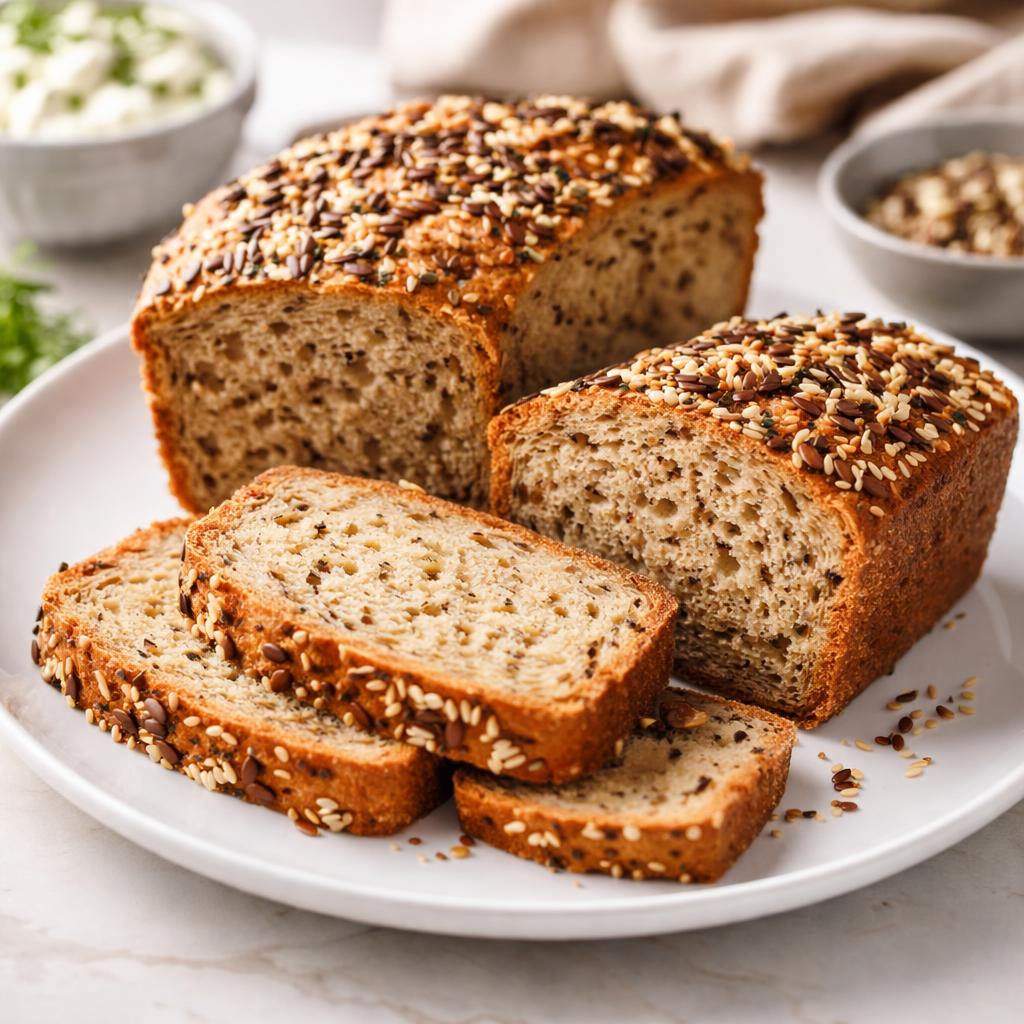
Protein Bread
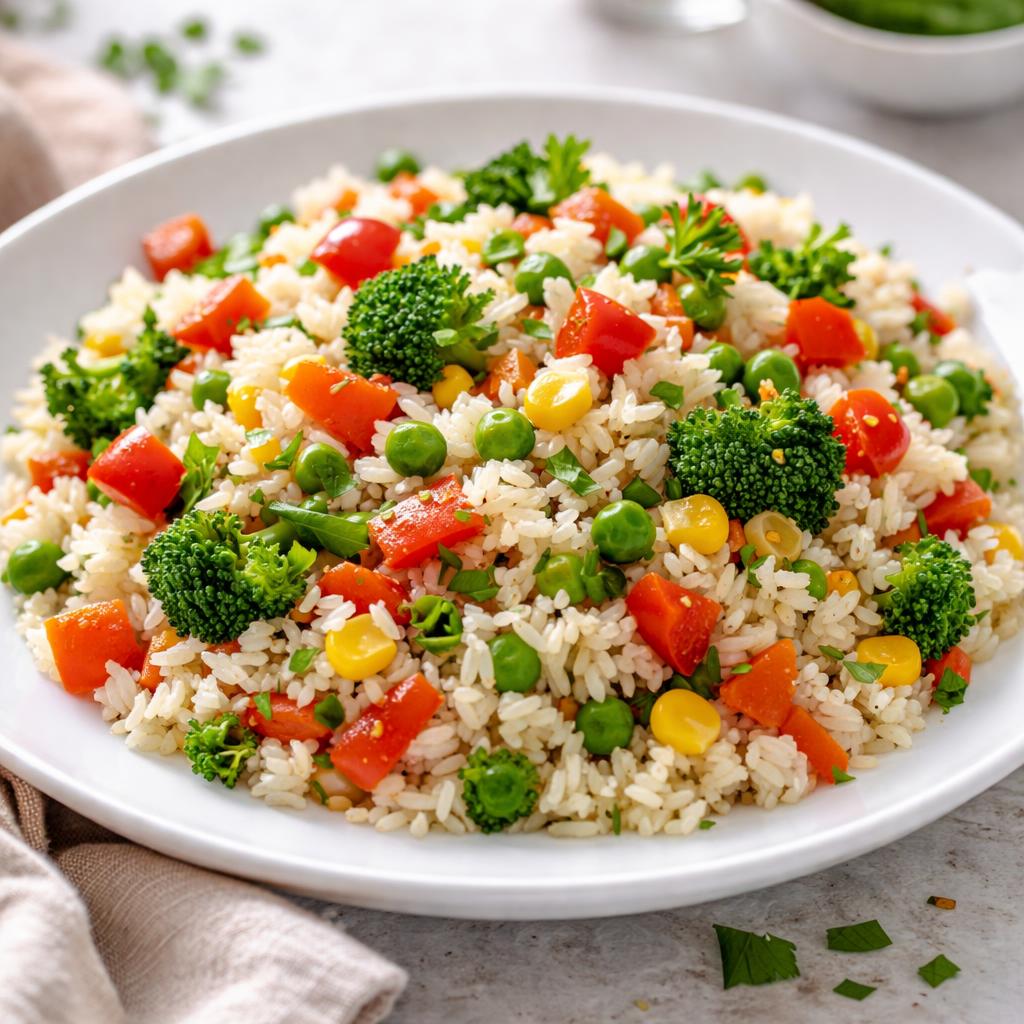
Rice With Mixed Vegetables
🎯 Quick Verdict
Protein bread excels in protein content and fiber, making it ideal for post-workout recovery and weight management. Rice with mixed vegetables offers higher carbohydrate content and vitamin diversity, making it suitable for sustained energy and balanced meals. Both are plant-based and gluten-free, appealing to various dietary preferences.

Smart Nutrition Tracking with SnapCalorie

📊 Nutritional Comparison
Macronutrients
| Nutrient | Food 1 | Food 2 | Winner |
|---|---|---|---|
| Calories | 150 | 200 | ✓ |
| Protein | 15g | 5g | ✓ |
| Carbs | 10g | 40g | ✓ |
| Fat | 3g | 5g | ✓ |
| Fiber | 8g | 3g | ✓ |
Vitamins & Minerals
| Nutrient | Food 1 | Food 2 | Winner |
|---|---|---|---|
| Vitamin C | 5mg | 30mg | ✓ |
| Vitamin A | 0mcg | 400mcg | ✓ |
| Vitamin D | 3mcg | 0mcg | ✓ |
| Calcium | 100mg | 30mg | ✓ |
| Iron | 2mg | 1.5mg | ✓ |
🏆 Category Winners
Protein
Protein bread contains three times more protein per serving than rice with mixed vegetables.
Fiber
Protein bread provides over twice the amount of fiber per serving.
Calories
Protein bread has 25% fewer calories per serving.
Vitamins
Rice with mixed vegetables offers a wider variety of vitamins, including significantly more Vitamin C and Vitamin A.
🥗 Diet Compatibility
Keto
Food 1: Compatible
Food 2: Not Compatible
Food1 is low-carb (10g per serving), while Food2 is high-carb due to rice content.
Vegan
Food 1: Compatible
Food 2: Compatible
Both are plant-based foods.
Gluten Free
Food 1: Compatible
Food 2: Compatible
Neither contains gluten ingredients.
Paleo
Food 1: Not Compatible
Food 2: Compatible
Protein bread may contain processed grains, while rice and vegetables align with Paleo diets.
Low Carb
Food 1: Compatible
Food 2: Not Compatible
Food1 is low-carb at 10g per serving, whereas Food2 is higher in carbohydrates (40g).
💪 Health Benefits Comparison
Food 1 Benefits
- Rich in protein for muscle repair and growth
- High fiber content promotes digestion and satiety
- Lower calorie count supports weight loss
- Contains calcium for bone health
Food 2 Benefits
- Provides complex carbohydrates for sustained energy
- Rich in Vitamin C and Vitamin A for immune support and eye health
- Good source of plant-based iron
- Includes healthy fats from mixed vegetables for overall heart health
✅ The Bottom Line
Choose protein bread if you need a high-protein, low-carb option for athletic recovery, digestion support, or weight management. Opt for rice with mixed vegetables if you require a nutrient-dense, energy-sustaining meal rich in vitamins and balanced fats.
Choose Food 1 for: Weight loss, high-protein diets, post-workout recovery
Choose Food 2 for: Sustained energy, general nutrition, immune support


