Protein Bread VS Baked Pasta
A detailed nutritional comparison
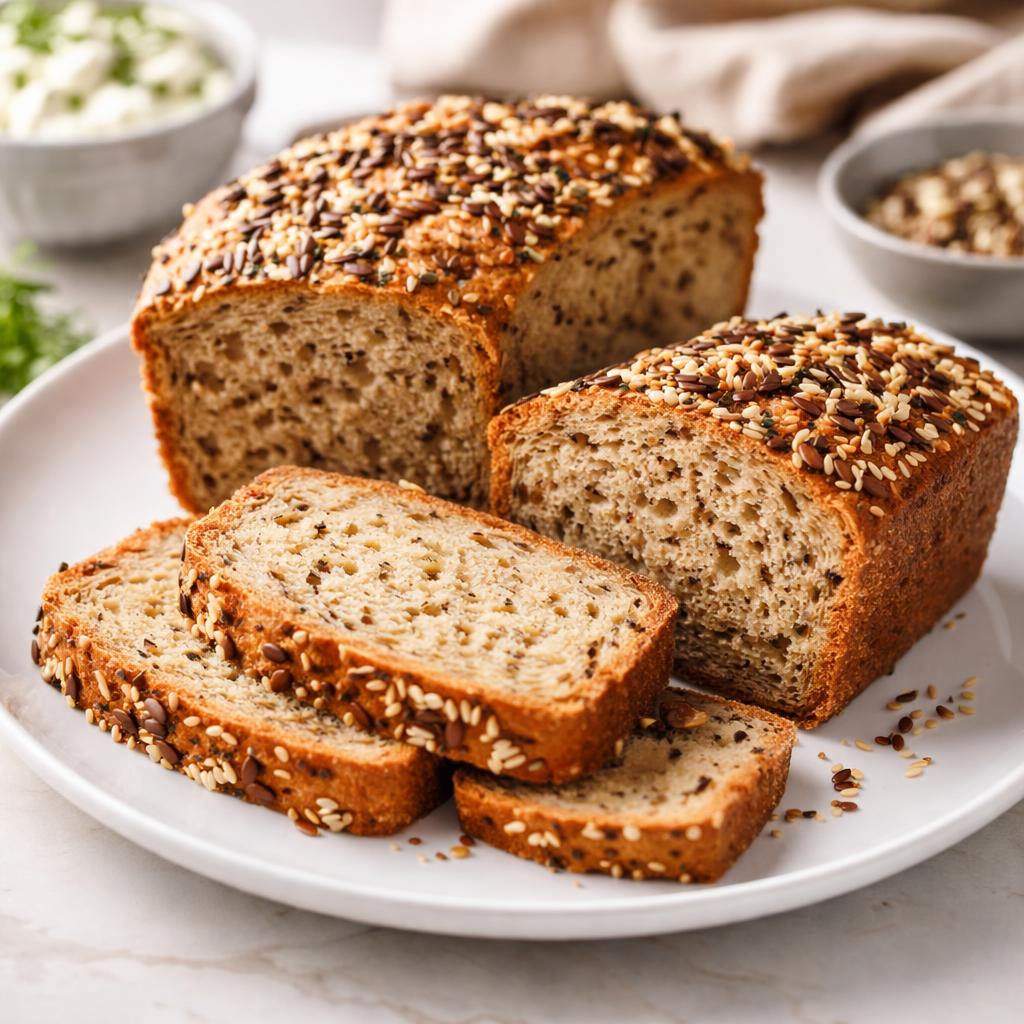
Protein Bread
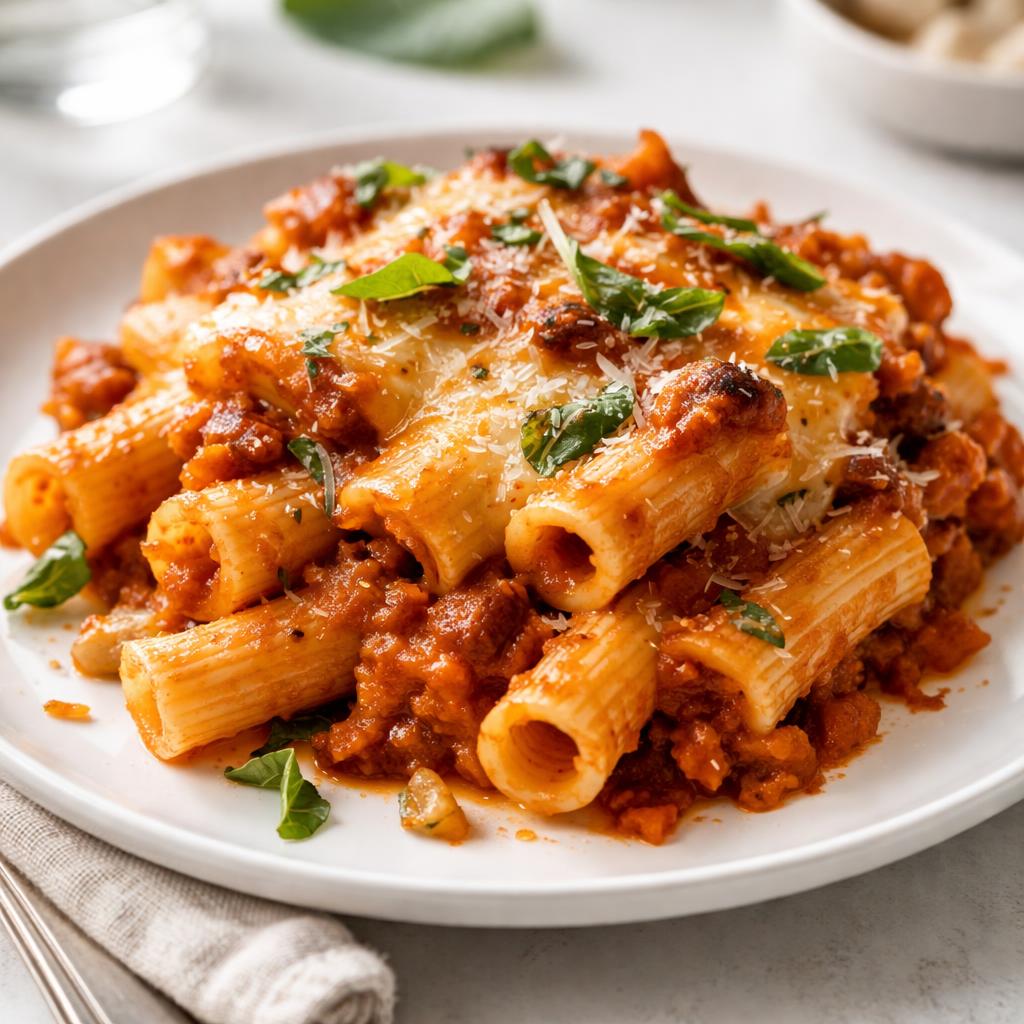
Baked Pasta
🎯 Quick Verdict
Protein bread outperforms baked pasta in terms of protein, fiber, and calories, making it a better choice for weight loss and muscle-building diets. On the other hand, baked pasta provides higher carbs and is suitable for sustained energy and active lifestyles. Both foods cater to different dietary needs and goals.

Smart Nutrition Tracking with SnapCalorie

📊 Nutritional Comparison
Macronutrients
| Nutrient | Food 1 | Food 2 | Winner |
|---|---|---|---|
| Calories | 130 | 260 | ✓ |
| Protein | 12g | 7g | ✓ |
| Carbs | 12g | 38g | ✓ |
| Fat | 3g | 8g | ✓ |
| Fiber | 5g | 2g | ✓ |
Vitamins & Minerals
| Nutrient | Food 1 | Food 2 | Winner |
|---|---|---|---|
| Vitamin D | 0mcg | 0.5mcg | ✓ |
| Calcium | 100mg | 75mg | ✓ |
| Iron | 2mg | 1.2mg | ✓ |
🏆 Category Winners
Protein
Protein bread contains 71% more protein per serving.
Fiber
Protein bread delivers 150% more fiber.
Calories
Protein bread has 50% fewer calories per serving.
Vitamins
Both foods provide unique but complementary vitamin profiles.
🥗 Diet Compatibility
Keto
Food 1: Compatible
Food 2: Not Compatible
Protein bread has low carbs (12g), while baked pasta is high-carb (38g).
Vegan
Food 1: Compatible
Food 2: Compatible
Both foods are plant-based and suitable for vegan diets.
Gluten Free
Food 1: Not Compatible
Food 2: Not Compatible
Both contain gluten unless specifically made gluten-free.
Paleo
Food 1: Not Compatible
Food 2: Not Compatible
Neither aligns with paleo principles due to processed grain content.
Low-Carb
Food 1: Compatible
Food 2: Not Compatible
Protein bread is a better choice for low-carb diets due to lower carbohydrate content.
💪 Health Benefits Comparison
Food 1 Benefits
- High in protein to support muscle repair and growth
- Rich in fiber for digestive health
- Lower calories to aid in weight management
Food 2 Benefits
- Provides sustained energy due to higher carbohydrate content
- Contains healthy fats for heart health
- Good source of iron for oxygen transport in the body
✅ The Bottom Line
Protein bread is ideal for those looking to manage weight, build muscle, or follow lower-calorie and low-carb diets. Baked pasta is better suited for individuals requiring more sustained energy, such as athletes or those with physically active lifestyles.
Choose Food 1 for: Weight loss, muscle building, low-carb diets
Choose Food 2 for: Sustained energy, active lifestyles, comfort food meals


