Pita Bread VS Whole-Grain Bread
A detailed nutritional comparison
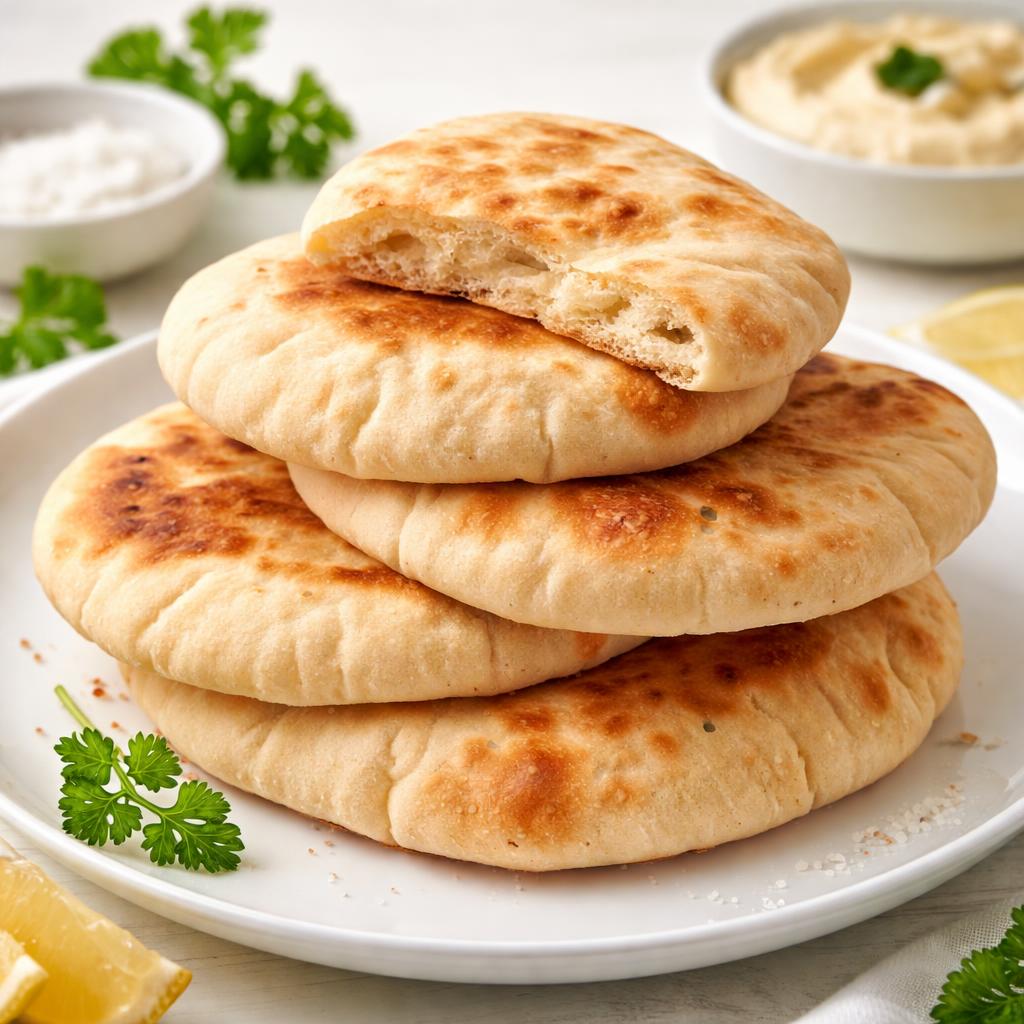
Pita Bread
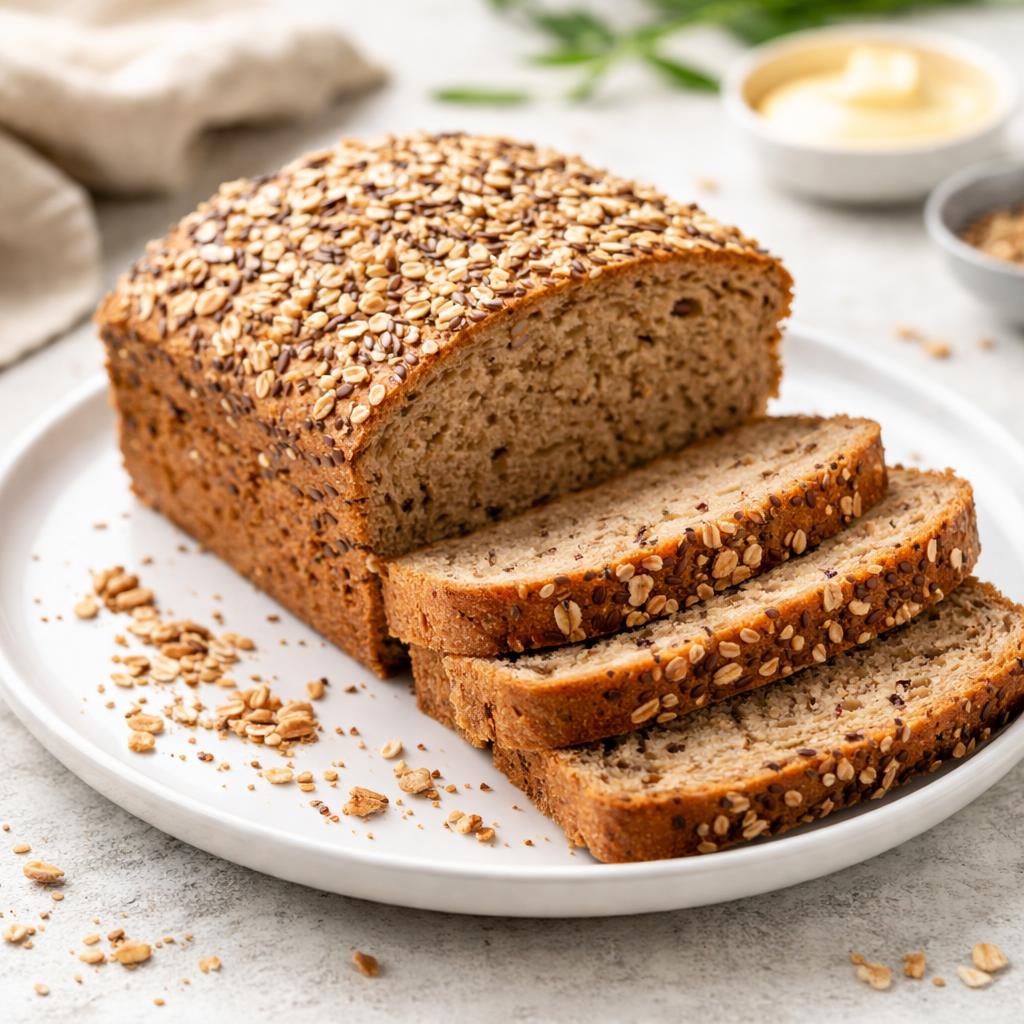
Whole-Grain Bread
🎯 Quick Verdict
Whole-grain bread generally has more fiber and micronutrients, making it a better choice for digestion and overall health. Pita bread, however, is slightly lower in calories and offers slightly more protein. Both options are versatile, but whole-grain bread is ideal for nutrient density, while pita bread works well for lower-calorie meals or light wraps.

Smart Nutrition Tracking with SnapCalorie

📊 Nutritional Comparison
Macronutrients
| Nutrient | Food 1 | Food 2 | Winner |
|---|---|---|---|
| Calories | 170 | 200 | − |
| Protein | 5.5g | 5g | − |
| Carbs | 33g | 36g | − |
| Fat | 1g | 2.5g | − |
| Fiber | 1.5g | 4g | − |
Vitamins & Minerals
| Nutrient | Food 1 | Food 2 | Winner |
|---|---|---|---|
| Vitamin B6 | 0.1mg | 0.3mg | − |
| Vitamin E | 0.1mg | 0.7mg | − |
| Iron | 2mg | 1.8mg | − |
🏆 Category Winners
Protein
Pita bread has slightly more protein per serving.
Fiber
Whole-grain bread contains over twice as much fiber per serving.
Calories
Pita bread has fewer calories per serving.
Vitamins
Whole-grain bread contains more B vitamins and antioxidants.
🥗 Diet Compatibility
Keto
Food 1: Not Compatible
Food 2: Not Compatible
Both are high in carbs and unsuitable for keto diets.
Vegan
Food 1: Compatible
Food 2: Compatible
Neither contains animal-based ingredients.
Gluten Free
Food 1: Not Compatible
Food 2: Not Compatible
Both are made from wheat and contain gluten.
Paleo
Food 1: Not Compatible
Food 2: Not Compatible
Both are made from grains, which are excluded in paleo diets.
Low Carb
Food 1: Not Compatible
Food 2: Not Compatible
Both are relatively high in carbohydrates, exceeding typical low-carb requirements.
💪 Health Benefits Comparison
Food 1 Benefits
Food 2 Benefits
✅ The Bottom Line
Choose whole-grain bread for its superior fiber and vitamin content, making it ideal for nutrient-dense diets and digestive health. Opt for pita bread if you need a slightly lower-calorie option or a convenient wrap base with moderate protein.
Choose Food 1 for: Low-calorie meals, light wraps, quick snacks
Choose Food 2 for: Digestive health, nutrient-rich diets, energy and metabolism


