Pesto Pasta VS Tomato Pasta
A detailed nutritional comparison
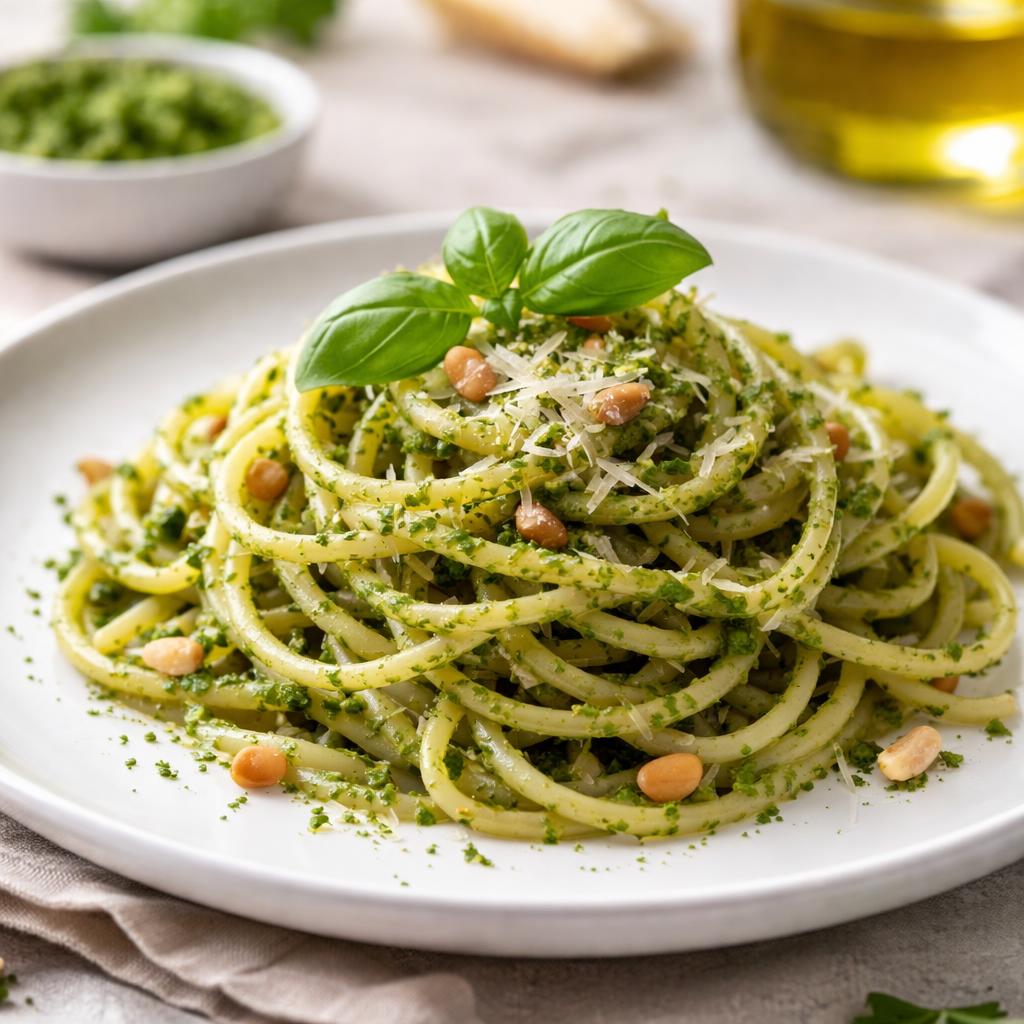
Pesto Pasta
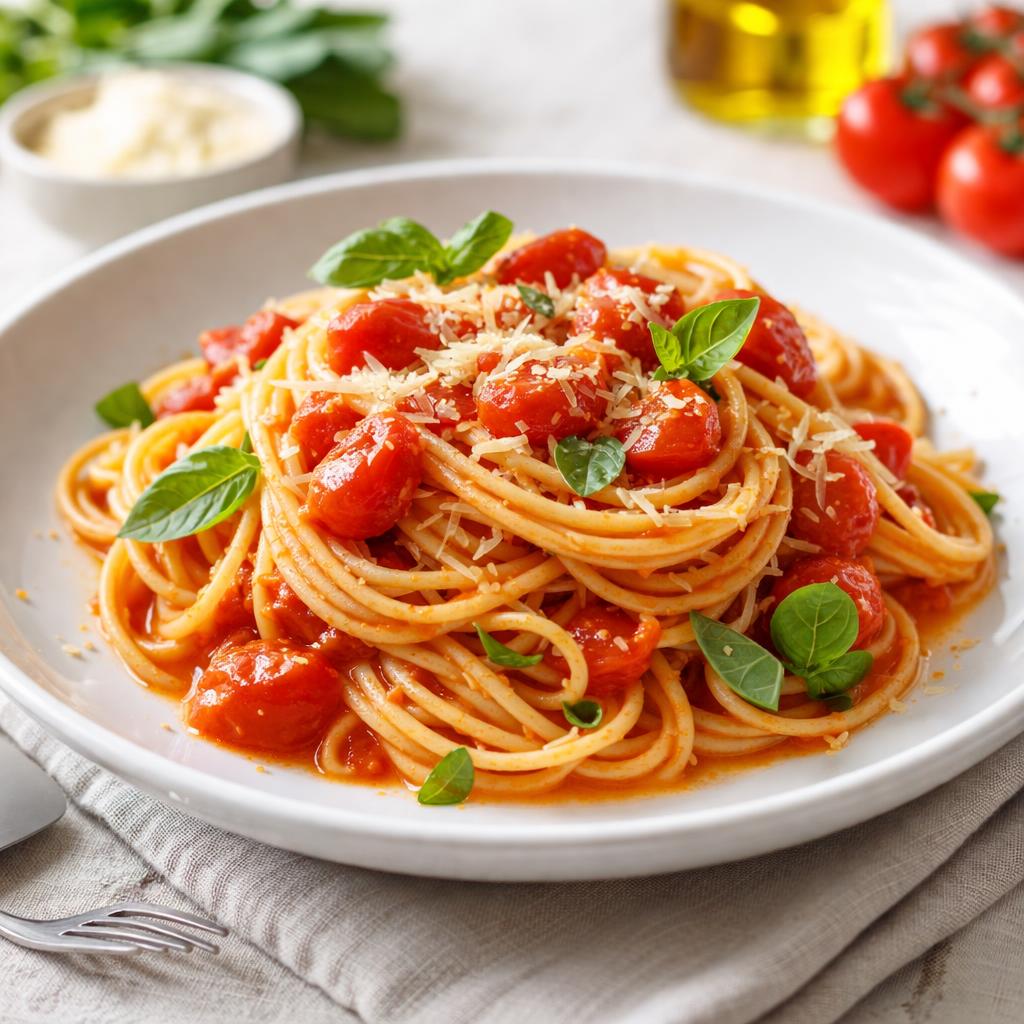
Tomato Pasta
🎯 Quick Verdict
Tomato pasta is generally lower in calories and fat than pesto pasta, making it a better option for weight-conscious individuals. Pesto pasta, however, offers slightly more protein and healthy fats due to its higher nuts and oil content, and is great for energy-dense meals. Tomato pasta provides more fiber and is lighter, often better suited for low-calorie or high-fiber diets.

Smart Nutrition Tracking with SnapCalorie

📊 Nutritional Comparison
Macronutrients
| Nutrient | Food 1 | Food 2 | Winner |
|---|---|---|---|
| Calories | 380 | 320 | ✓ |
| Protein | 12g | 12g | − |
| Carbs | 40g | 42g | ✓ |
| Fat | 18g | 10g | ✓ |
| Fiber | 3g | 4g | ✓ |
Vitamins & Minerals
| Nutrient | Food 1 | Food 2 | Winner |
|---|---|---|---|
| Vitamin C | 2mg | 10mg | ✓ |
| Vitamin A | 50IU | 850IU | ✓ |
| Calcium | 30mg | 20mg | ✓ |
| Iron | 1.5mg | 2mg | ✓ |
🏆 Category Winners
Protein
Both contain equal protein with 12g per serving.
Fiber
Tomato pasta has 33% more fiber due to its vegetable-based sauce.
Calories
Tomato pasta is 15% lower in calories per serving.
Vitamins
Tomato pasta is higher in Vitamin C, Vitamin A, and iron.
🥗 Diet Compatibility
Keto
Food 1: Not Compatible
Food 2: Not Compatible
Both are high in carbs due to pasta base.
Vegan
Food 1: Compatible
Food 2: Compatible
Both can be made vegan depending on ingredient choice.
Gluten Free
Food 1: Not Compatible
Food 2: Not Compatible
Both require gluten-free pasta alternatives.
Paleo
Food 1: Not Compatible
Food 2: Not Compatible
Pasta is not allowed on the Paleo diet.
Low-Carb
Food 1: Not Compatible
Food 2: Not Compatible
Both contain significant carbs from pasta.
💪 Health Benefits Comparison
Food 1 Benefits
- Contains healthy fats from olive oil and nuts
- Provides steady energy from complex carbohydrates
- Has a moderate amount of protein to support muscle repair
Food 2 Benefits
- Rich in antioxidants and Vitamin C from tomatoes
- High in fiber for digestive health
- Lower calorie option for weight management
✅ The Bottom Line
When choosing between pesto pasta and tomato pasta, consider your dietary goals. Tomato pasta is better suited for weight loss, high fiber diets, or those requiring lower calories. Pesto pasta is ideal for those seeking a richer flavor, higher fat content, or more energy-dense meals.
Choose Food 1 for: Energy-dense meals, individuals needing healthy fats, post-workout recovery
Choose Food 2 for: Weight loss, high-fiber diets, heart health


