Pesto Pasta VS Pasta With Tomato Sauce And Cheese
A detailed nutritional comparison
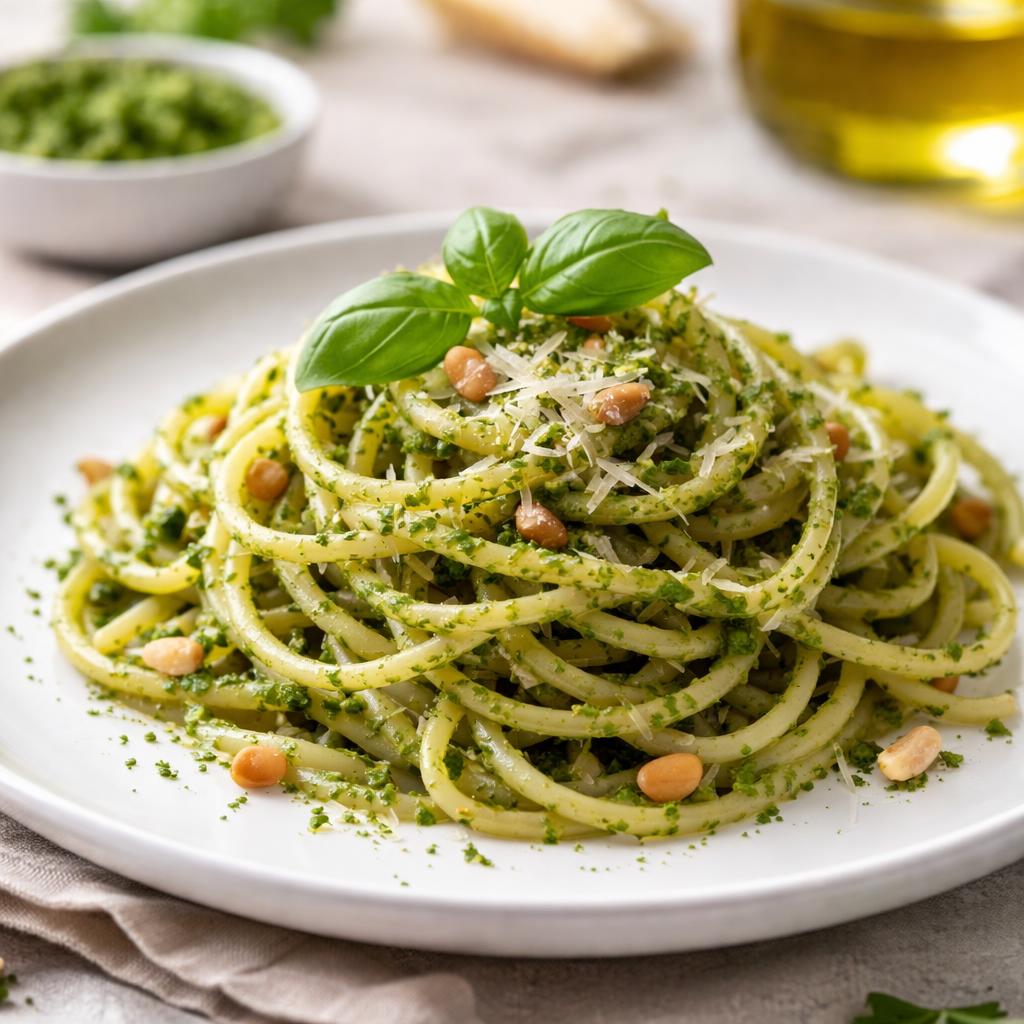
Pesto Pasta
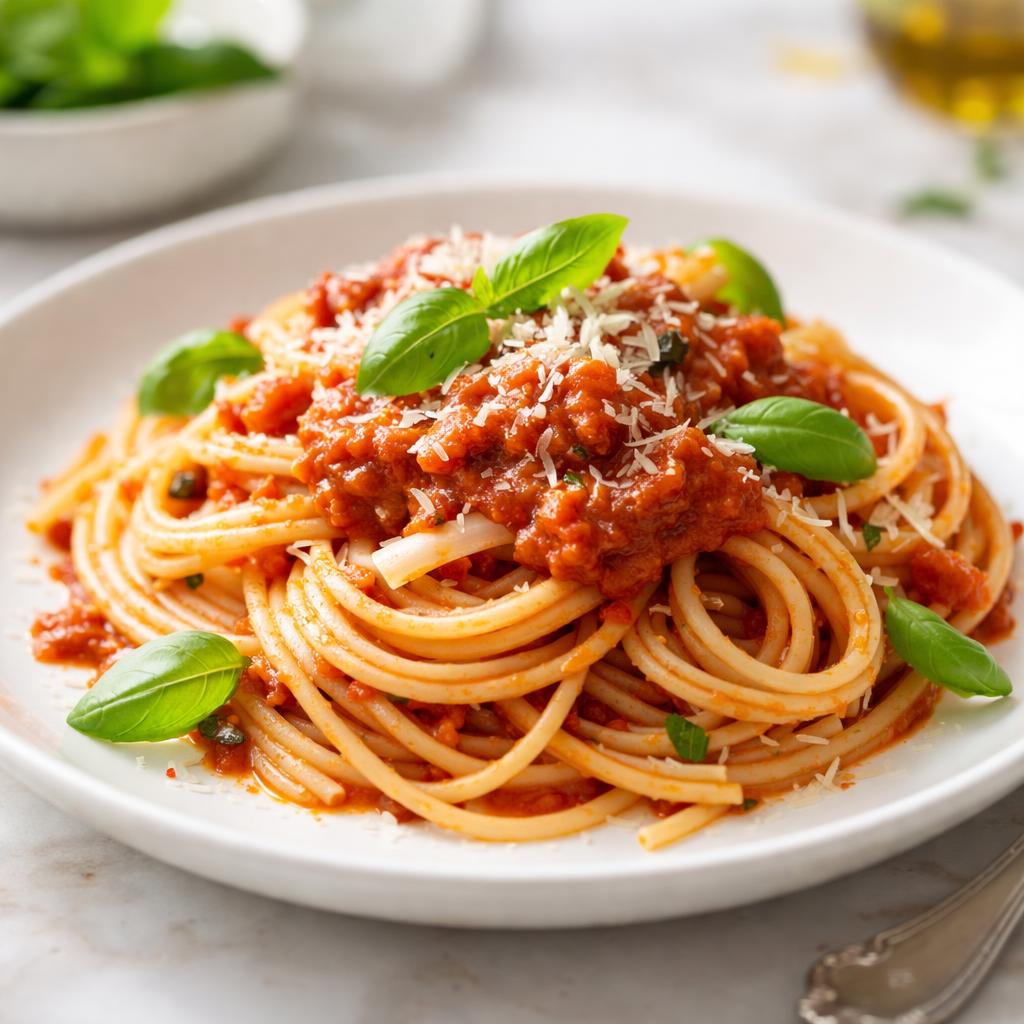
Pasta With Tomato Sauce And Cheese
🎯 Quick Verdict
Pesto pasta is lower in calories and slightly higher in fiber, making it a good lighter option with moderate nutritional benefits. Pasta with tomato sauce and cheese provides higher protein and more vitamins, making it a more nutritionally dense choice. Both pair well with active lifestyles but suit different dietary priorities.

Smart Nutrition Tracking with SnapCalorie

📊 Nutritional Comparison
Macronutrients
| Nutrient | Food 1 | Food 2 | Winner |
|---|---|---|---|
| Calories | 350 | 400 | ✓ |
| Protein | 8g | 14g | ✓ |
| Carbs | 40g | 45g | ✓ |
| Fat | 18g | 10g | ✓ |
| Fiber | 3.5g | 2.5g | ✓ |
Vitamins & Minerals
| Nutrient | Food 1 | Food 2 | Winner |
|---|---|---|---|
| Vitamin A | 100mcg | 300mcg | ✓ |
| Vitamin C | 2mg | 15mg | ✓ |
| Calcium | 60mg | 200mg | ✓ |
| Iron | 1mg | 2mg | ✓ |
🏆 Category Winners
Protein
Food2 offers 75% more protein, largely due to the cheese.
Fiber
Food1 delivers 40% more fiber due to the pesto ingredients.
Calories
Food1 has 12.5% fewer calories per serving.
Vitamins
Food2 is richer in essential vitamins like vitamin A, C, and calcium.
🥗 Diet Compatibility
Keto
Food 1: Not Compatible
Food 2: Not Compatible
Both foods are carb-heavy.
Vegan
Food 1: Not Compatible
Food 2: Not Compatible
Both contain animal derivatives (cheese or similar).
Gluten Free
Food 1: Not Compatible
Food 2: Not Compatible
Both use regular pasta containing gluten.
Paleo
Food 1: Not Compatible
Food 2: Not Compatible
Both rely on grain-based pasta, which is not paleo.
Low-Carb
Food 1: Not Compatible
Food 2: Not Compatible
Both are high in carbohydrates (40-45g per serving).
💪 Health Benefits Comparison
Food 1 Benefits
- Lower calorie option suitable for lighter meals
- Contains healthy fats from olive oil and pine nuts
- Provides moderate fiber content for digestion
Food 2 Benefits
- Higher protein content for muscle repair
- Rich in vitamins A and C for immune health and vision
- Good source of calcium for bone health
✅ The Bottom Line
Choose pesto pasta for a lighter meal with healthy fats and moderate fiber if aiming to control calories. Opt for pasta with tomato sauce and cheese for its higher protein and vitamin content, making it ideal for active individuals or post-workout meals.
Choose Food 1 for: Weight management, lighter meals, fiber intake
Choose Food 2 for: Muscle building, nutritious family meals, active lifestyles


