Pesto Pasta VS Gluten Free Pasta
A detailed nutritional comparison
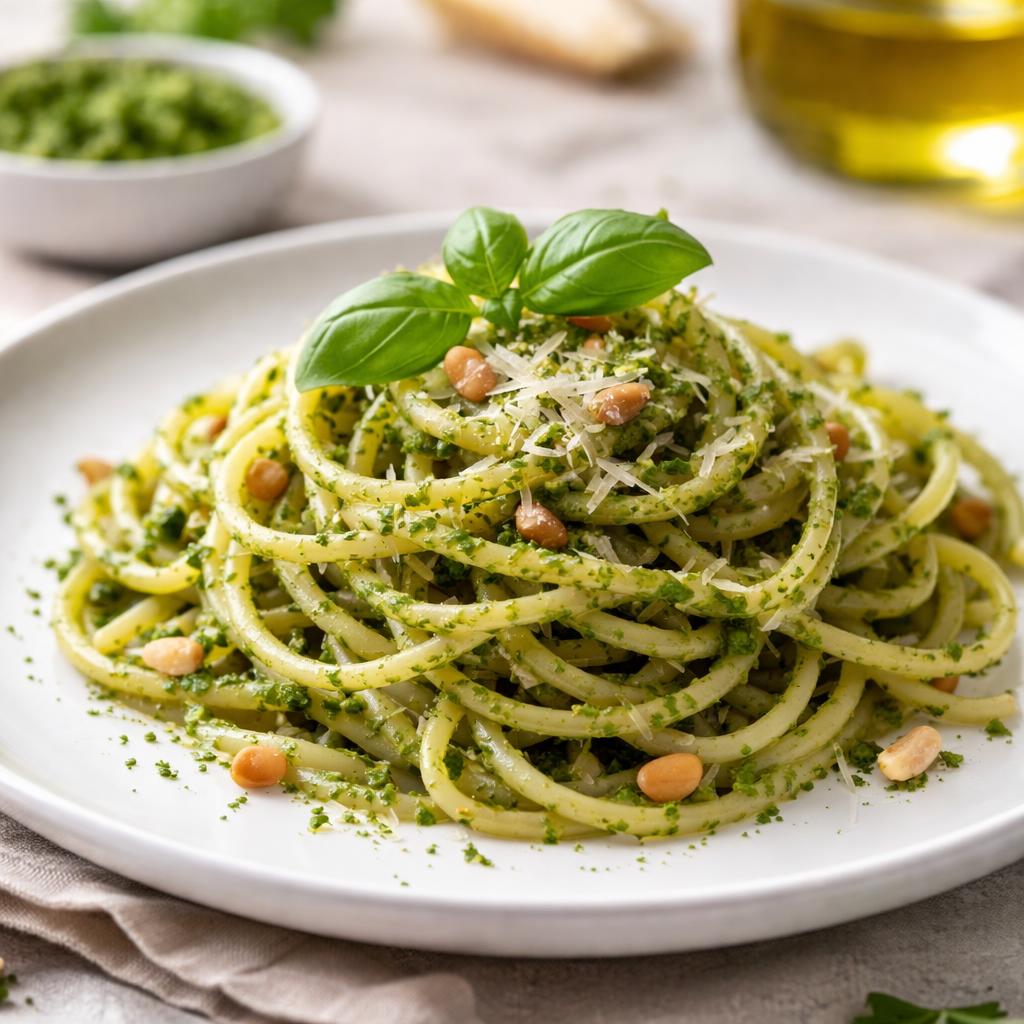
Pesto Pasta
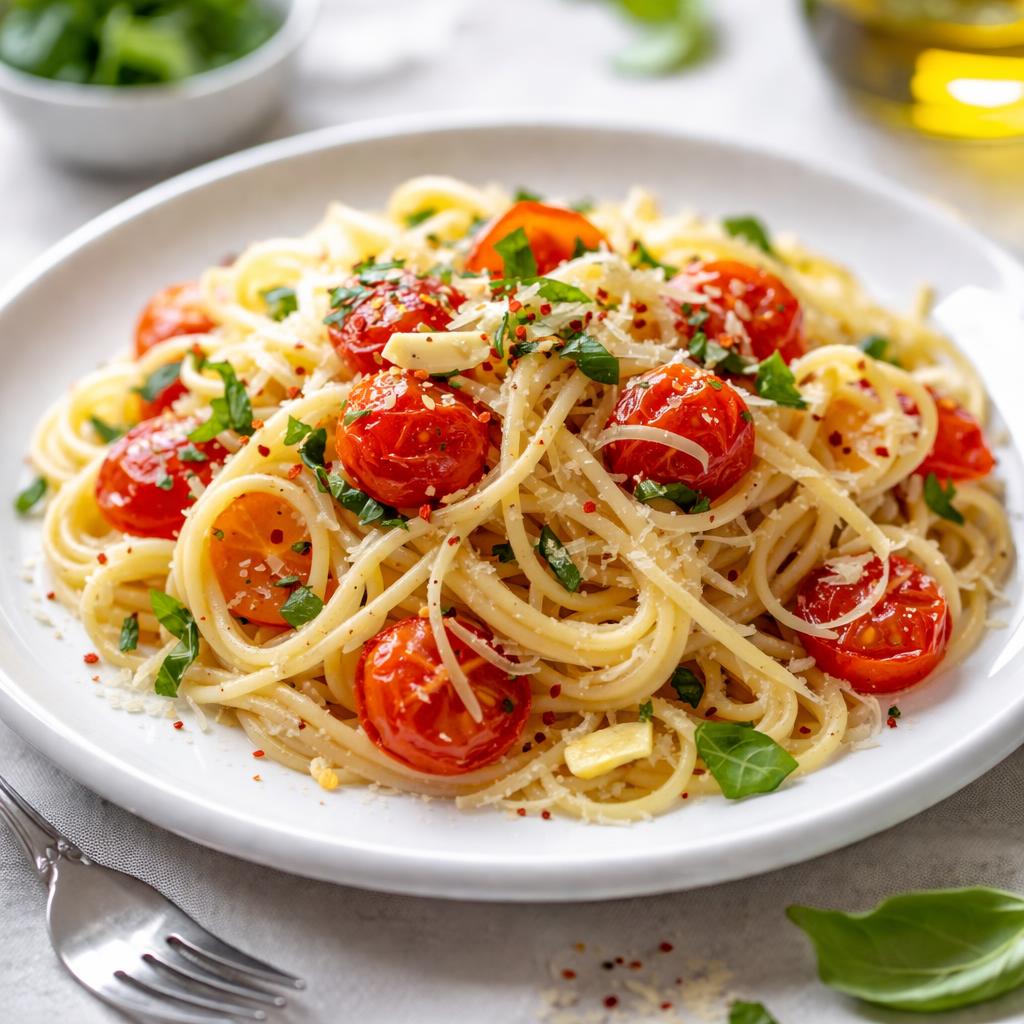
Gluten Free Pasta
🎯 Quick Verdict
Pesto pasta offers greater protein content due to the inclusion of cheese and nuts in the pesto sauce. Gluten-free pasta, on the other hand, is lower in calories and generally suitable for gluten-free diets but lacks the added flavor and nutrients found in pesto pasta. Consider your dietary needs and flavor preferences when choosing between the two foods.

Smart Nutrition Tracking with SnapCalorie

📊 Nutritional Comparison
Macronutrients
| Nutrient | Food 1 | Food 2 | Winner |
|---|---|---|---|
| Calories | 350 | 200 | ✓ |
| Protein | 12g | 7g | ✓ |
| Carbs | 35g | 40g | ✓ |
| Fat | 20g | 1g | ✓ |
| Fiber | 3g | 3g | − |
Vitamins & Minerals
| Nutrient | Food 1 | Food 2 | Winner |
|---|---|---|---|
| Vitamin C | 3mg | 0mg | ✓ |
| Calcium | 120mg | 10mg | ✓ |
| Iron | 1.5mg | 2mg | ✓ |
🏆 Category Winners
Protein
Food1, pesto pasta, offers 71% more protein per serving due to the inclusion of cheese and pine nuts.
Fiber
Both foods contribute the same amount of fiber (3g per serving), supporting digestion equally.
Calories
Food2, gluten-free pasta, contains 42% fewer calories per serving.
Vitamins
Food1 is richer in calcium and vitamin C due to ingredients in the pesto sauce, though food2 has slightly more iron.
🥗 Diet Compatibility
Keto
Food 1: Not Compatible
Food 2: Not Compatible
Both foods are high in carbohydrates, making them unsuitable for keto diets.
Vegan
Food 1: Not Compatible
Food 2: Compatible
Food1 contains dairy and cheese in the pesto, whereas food2 can be vegan depending on the ingredients.
Gluten Free
Food 1: Not Compatible
Food 2: Compatible
Food2 is specifically gluten-free, while food1 includes traditional wheat pasta.
Paleo
Food 1: Not Compatible
Food 2: Not Compatible
Neither food aligns with paleo diets due to their use of grains.
Low-Carb
Food 1: Not Compatible
Food 2: Not Compatible
Both foods are high in carbs, making them unsuitable for low-carb diets.
💪 Health Benefits Comparison
Food 1 Benefits
- Good source of protein for muscle repair and maintenance.
- Contains healthy fats that promote heart health.
- Rich in calcium for strong bones.
Food 2 Benefits
- Lower in calories, making it suitable for weight management.
- Iron-rich, supporting oxygen transport and energy levels.
- Free from gluten, catering to gluten-sensitive individuals or those with celiac disease.
✅ The Bottom Line
Choose food1 if you value protein and nutrient density, especially for active lifestyles or post-workout meals. Food2 is ideal for those on gluten-free diets or seeking a lower-calorie alternative. Both foods provide specific health benefits depending on your dietary goals.
Choose Food 1 for: Protein-rich meals, flavorful dishes, active lifestyles
Choose Food 2 for: Gluten-free diets, weight management, simpler nutritional needs


