Penne Pasta With Tomato Sauce VS Shrimp Pasta
A detailed nutritional comparison
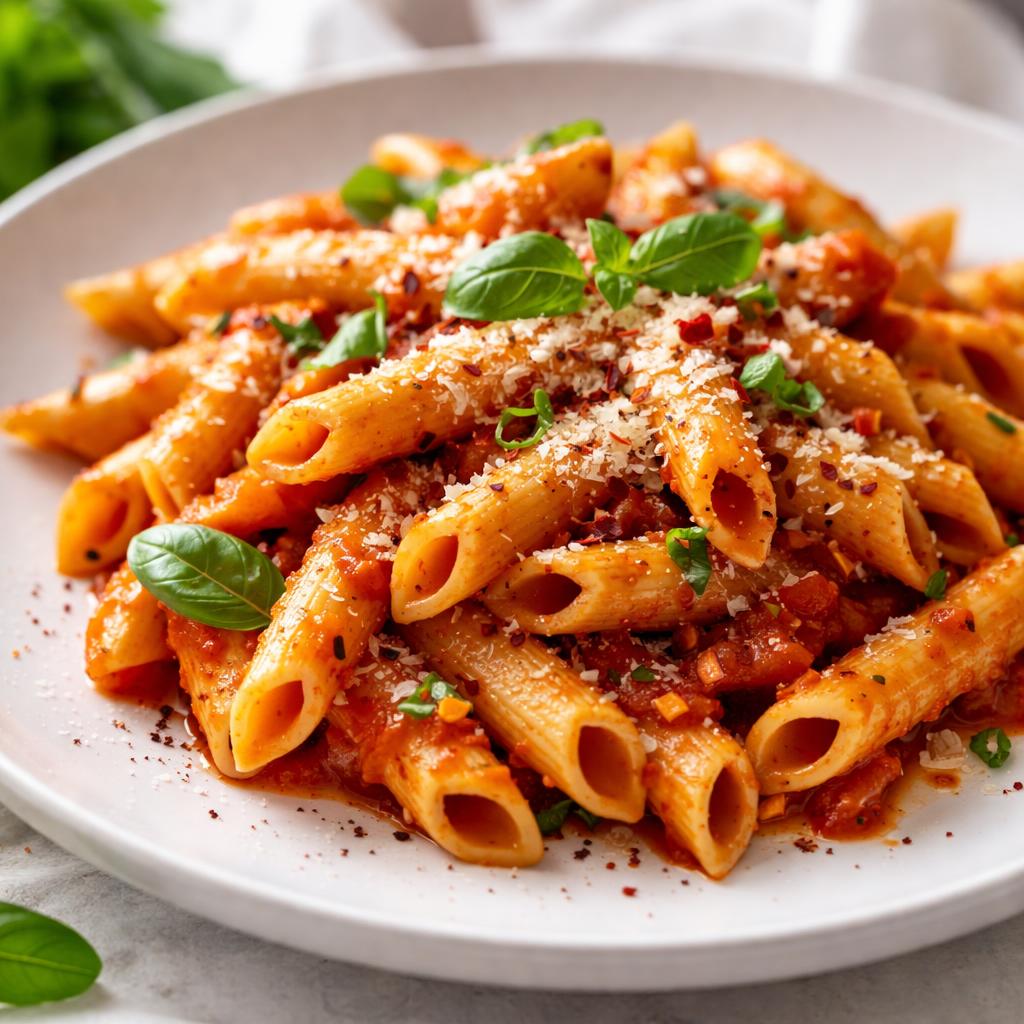
Penne Pasta With Tomato Sauce
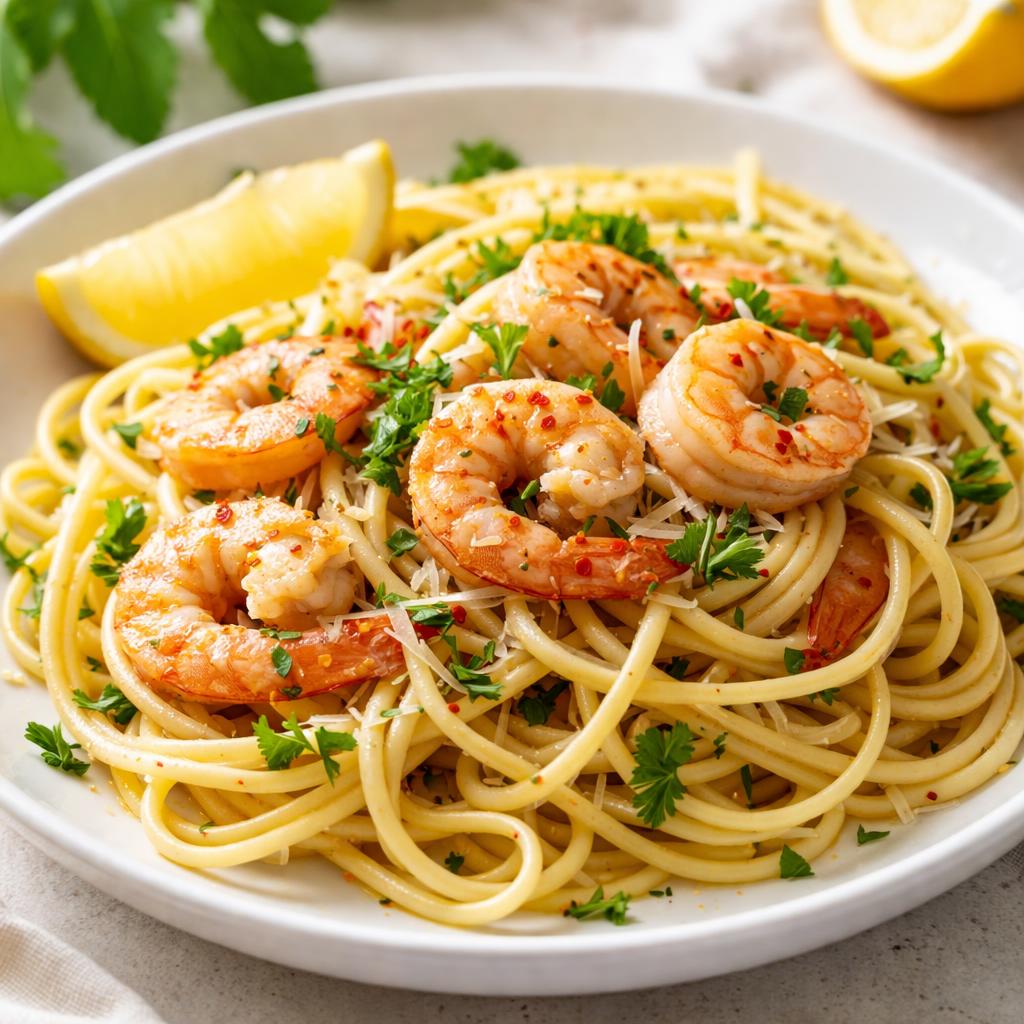
Shrimp Pasta
🎯 Quick Verdict
Shrimp pasta is higher in protein, making it ideal for muscle maintenance, while penne pasta with tomato sauce is lower in calories and richer in fiber, suitable for digestion and weight control. Both have distinct uses: shrimp pasta is nutrient-dense and better for high-protein diets, while penne pasta is lighter and suitable for vegan preferences.

Smart Nutrition Tracking with SnapCalorie

📊 Nutritional Comparison
Macronutrients
| Nutrient | Food 1 | Food 2 | Winner |
|---|---|---|---|
| Calories | 300 | 400 | ✓ |
| Protein | 9g | 20g | ✓ |
| Carbs | 55g | 45g | ✓ |
| Fat | 2g | 10g | ✓ |
| Fiber | 3g | 2g | ✓ |
Vitamins & Minerals
| Nutrient | Food 1 | Food 2 | Winner |
|---|---|---|---|
| Vitamin C | 10mg | 5mg | ✓ |
| Calcium | 30mg | 50mg | ✓ |
| Iron | 1mg | 3mg | ✓ |
| Vitamin D | 0mcg | 2mcg | ✓ |
🏆 Category Winners
Protein
Shrimp pasta contains over double the protein (20g vs 9g).
Fiber
Penne pasta has 50% more fiber per serving.
Calories
Penne pasta is 25% lower in calories (300 vs 400).
Vitamins
Shrimp pasta is richer in vital nutrients like calcium, iron, and vitamin D.
🥗 Diet Compatibility
Keto
Food 1: Not Compatible
Food 2: Not Compatible
Both have high carb content from the pasta base.
Vegan
Food 1: Compatible
Food 2: Not Compatible
Food1 is entirely plant-based, while food2 contains shrimp.
Gluten Free
Food 1: Not Compatible
Food 2: Not Compatible
Both rely on traditional pasta which contains gluten.
Paleo
Food 1: Not Compatible
Food 2: Not Compatible
Neither aligns with paleo guidelines due to pasta.
Low Carb
Food 1: Not Compatible
Food 2: Not Compatible
Both have over 40g of carbs per serving.
💪 Health Benefits Comparison
Food 1 Benefits
- Lower in calories, beneficial for weight control
- Rich in fiber to support digestion
- Contains Vitamin C for immune health
Food 2 Benefits
- High in protein for muscle building and maintenance
- Supplies essential minerals like iron and calcium
- Contains healthy fats, supporting heart health
✅ The Bottom Line
Choose penne pasta with tomato sauce for a lighter, plant-based option that supports digestion and weight management, while shrimp pasta is ideal for individuals looking to increase protein intake and benefit from mineral-rich seafood. Both are nutritious but serve different purposes.
Choose Food 1 for: Low-calorie meals, vegan diets, digestion support
Choose Food 2 for: High-protein diets, post-workout recovery, nutrient-dense meals


