Penne Pasta With Tomato Sauce VS Red Rice
A detailed nutritional comparison
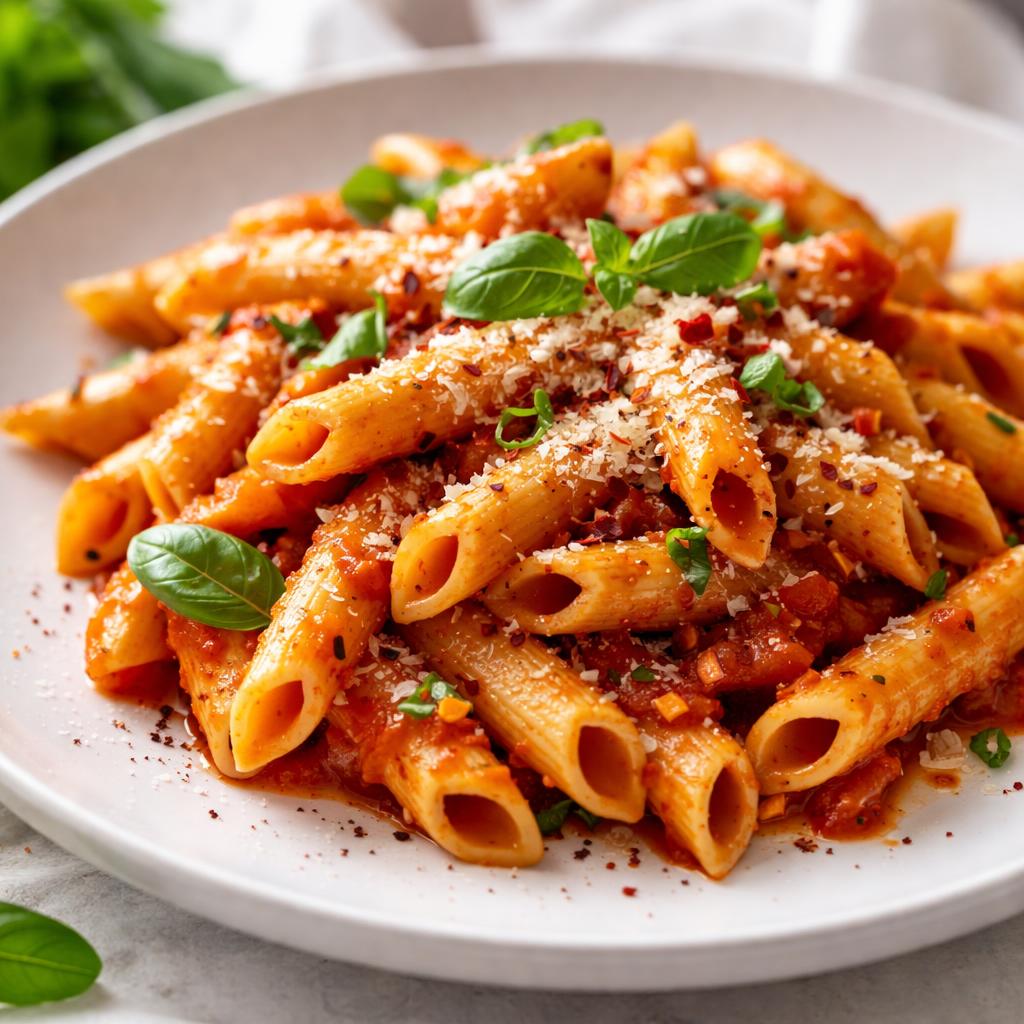
Penne Pasta With Tomato Sauce
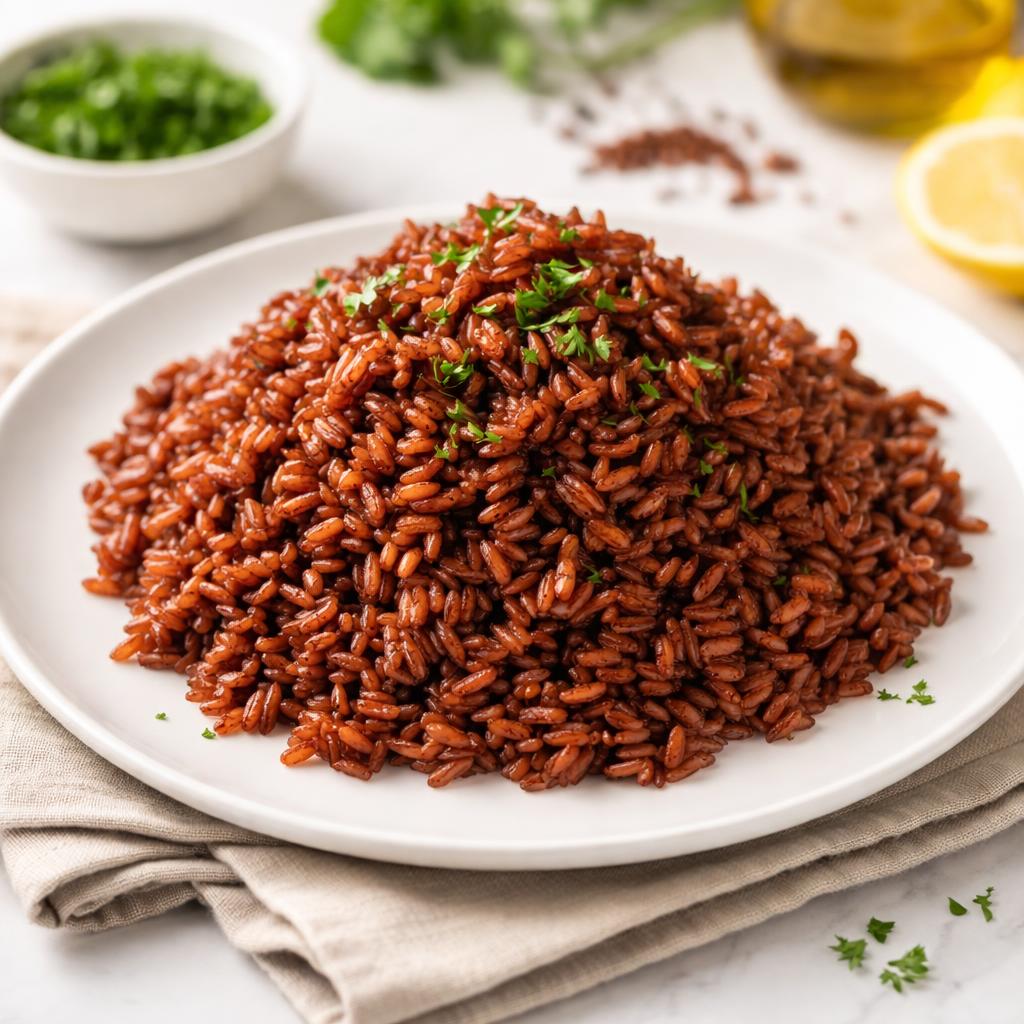
Red Rice
🎯 Quick Verdict
Red rice is nutritionally superior to penne pasta with tomato sauce, offering higher protein, more fiber, and fewer calories per serving. Penne pasta provides more carbohydrates, making it a better choice for quick energy, while red rice excels in nutrient density and long-lasting satiety, ideal for balanced meals and weight management diets.

Smart Nutrition Tracking with SnapCalorie

📊 Nutritional Comparison
Macronutrients
| Nutrient | Food 1 | Food 2 | Winner |
|---|---|---|---|
| Calories | 300 | 200 | ✓ |
| Protein | 7g | 8g | ✓ |
| Carbs | 45g | 36g | ✓ |
| Fat | 5g | 2g | ✓ |
| Fiber | 3g | 4g | ✓ |
Vitamins & Minerals
| Nutrient | Food 1 | Food 2 | Winner |
|---|---|---|---|
| Vitamin D | 0mcg | 0mcg | − |
| Calcium | 20mg | 10mg | ✓ |
| Iron | 1mg | 2mg | ✓ |
🏆 Category Winners
Protein
Red rice contains slightly more protein per serving compared to penne pasta with tomato sauce.
Fiber
Red rice provides 33% more fiber, aiding digestion and satiety.
Calories
Red rice is 33% lower in calories per serving, making it more suitable for weight management.
🥗 Diet Compatibility
Keto
Food 1: Not Compatible
Food 2: Not Compatible
Both foods are high in carbohydrates.
Vegan
Food 1: Compatible
Food 2: Compatible
Both foods are plant-based and free from animal products.
Gluten Free
Food 1: Not Compatible
Food 2: Compatible
Red rice is naturally gluten-free, while penne pasta typically contains wheat gluten.
Paleo
Food 1: Not Compatible
Food 2: Compatible
Red rice is minimally processed and paleo-friendly, unlike refined pasta.
Low-Carb
Food 1: Not Compatible
Food 2: Not Compatible
Both foods have moderate to high carbohydrate content.
💪 Health Benefits Comparison
Food 1 Benefits
- Provides quick energy from carbohydrates
- Source of lycopene from tomato sauce for antioxidant benefits
- Contains small amounts of calcium to support bone health
Food 2 Benefits
- Higher in protein for muscle repair and overall growth
- Rich in fiber for improved digestion and longer satiety
- Contains iron for better oxygen transport and energy levels
- Antioxidants and minerals contribute to heart health
✅ The Bottom Line
Red rice is the better choice for nutrient density, digestion, and sustained energy, making it ideal for balanced meals, heart health, and weight management diets. Penne pasta with tomato sauce, on the other hand, provides quick energy and works well for pre-workout meals or comfort dishes. Opt for penne if you need a carb boost, while red rice is superior for overall health and maintaining satiety.
Choose Food 1 for: Quick energy boost, comfort food, pre-workout meals
Choose Food 2 for: Balanced meals, nutrient density, weight management, heart health


