Penne Pasta VS Pasta With Pesto
A detailed nutritional comparison
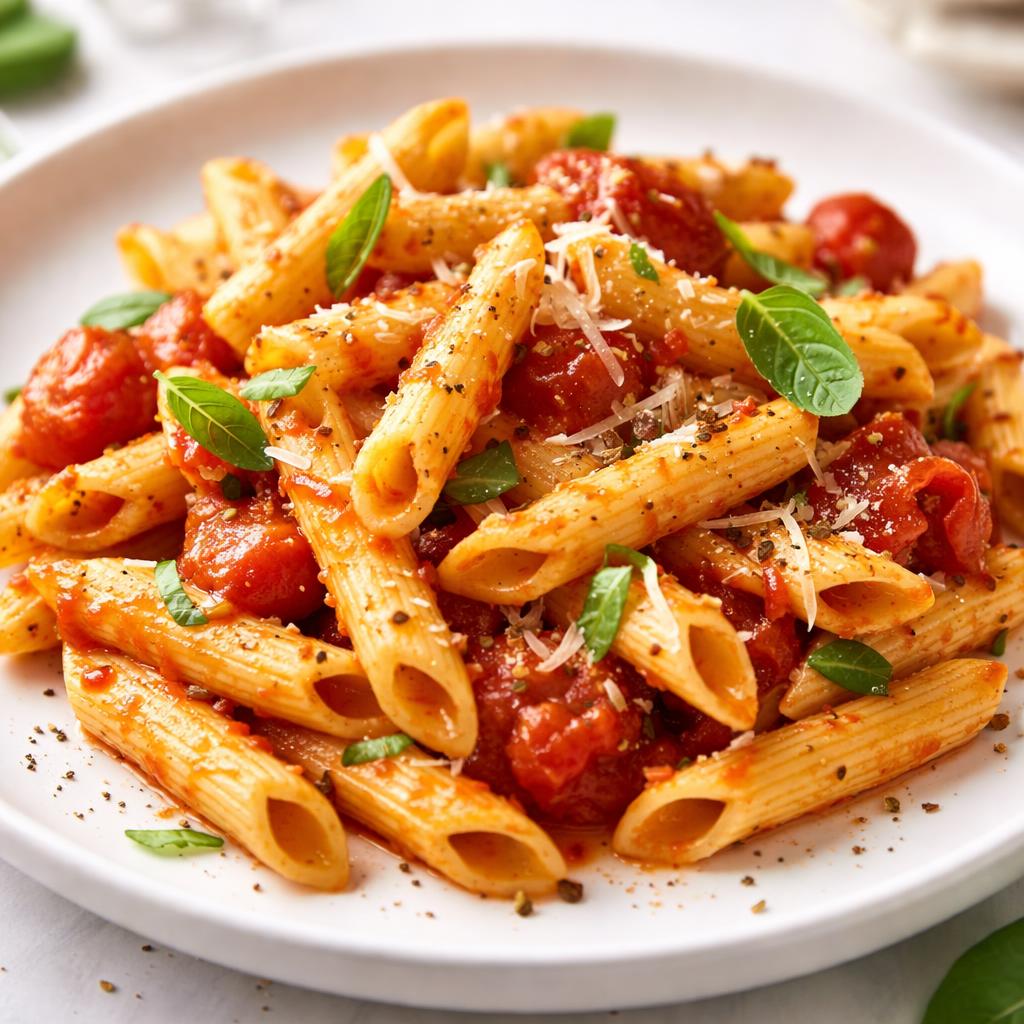
Penne Pasta
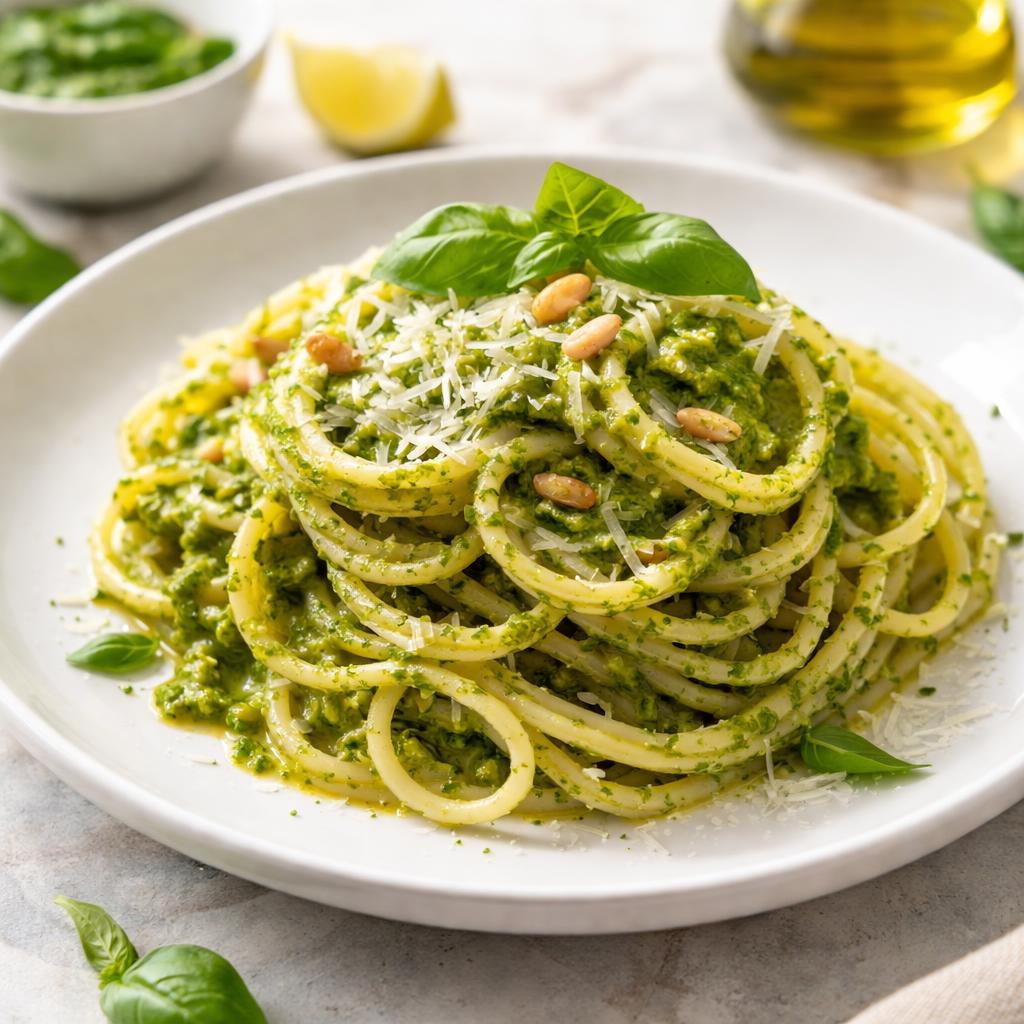
Pasta With Pesto
🎯 Quick Verdict
Penne pasta is lower in calories and simpler nutritionally, making it a better choice for calorie-conscious diets. Pasta with pesto, however, offers more flavor and additional nutrients, including healthy fats and fiber. Penne is ideal for minimalist meals, while pesto pasta suits those seeking more complex dietary benefits and tastes.

Smart Nutrition Tracking with SnapCalorie

📊 Nutritional Comparison
Macronutrients
| Nutrient | Food 1 | Food 2 | Winner |
|---|---|---|---|
| Calories | 200 | 300 | ✓ |
| Protein | 7g | 7g | − |
| Carbs | 42g | 32g | ✓ |
| Fat | 1g | 20g | ✓ |
| Fiber | 2g | 3g | ✓ |
Vitamins & Minerals
| Nutrient | Food 1 | Food 2 | Winner |
|---|---|---|---|
| Vitamin D | 0mcg | 0mcg | − |
| Calcium | 15mg | 50mg | ✓ |
| Iron | 1mg | 1.5mg | ✓ |
| Vitamin E | 0.1mg | 2.5mg | ✓ |
🏆 Category Winners
Protein
Both foods provide an equal amount of 7g protein per serving.
Fiber
Pasta with pesto offers 50% more fiber per serving.
Calories
Penne pasta contains 33% fewer calories.
Vitamins
Pesto adds nutrients like Vitamin E and higher calcium levels.
🥗 Diet Compatibility
Keto
Food 1: Not Compatible
Food 2: Not Compatible
Both are high in carbs.
Vegan
Food 1: Compatible
Food 2: Dependent on pesto recipe
Food1 is entirely plant-based; food2 may contain dairy depending on pesto.
Gluten Free
Food 1: Not Compatible
Food 2: Not Compatible
Both contain traditional wheat-based pasta.
Paleo
Food 1: Not Compatible
Food 2: Not Compatible
Grains and dairy do not fit paleo diets.
Low Carb
Food 1: Not Compatible
Food 2: Not Compatible
Both foods exceed typical low-carb thresholds (less than 20g carbs per serving).
💪 Health Benefits Comparison
Food 1 Benefits
- Low-fat food ideal for calorie-conscious diets
- Contains complex carbohydrates for sustained energy
- Provides a small amount of iron to support blood health
Food 2 Benefits
- Rich in healthy fats that promote heart health (from olive oil)
- Higher fiber content supports digestion
- Contains antioxidants from basil and garlic in pesto
✅ The Bottom Line
Choose penne pasta if you're prioritizing lower calories or want a blank canvas for meals. Opt for pasta with pesto to reap the benefits of heart-healthy fats, fiber, and added flavor complexity. Food2 works well for nutrient-dense meals, while food1 is better for simpler dietary needs.
Choose Food 1 for: Low-calorie meals, simple recipes, pairing with light sauces
Choose Food 2 for: Flavorful dinners, nutrient-packed meals, heart-healthy diets


