Penne Pasta VS Pasta Sauce
A detailed nutritional comparison
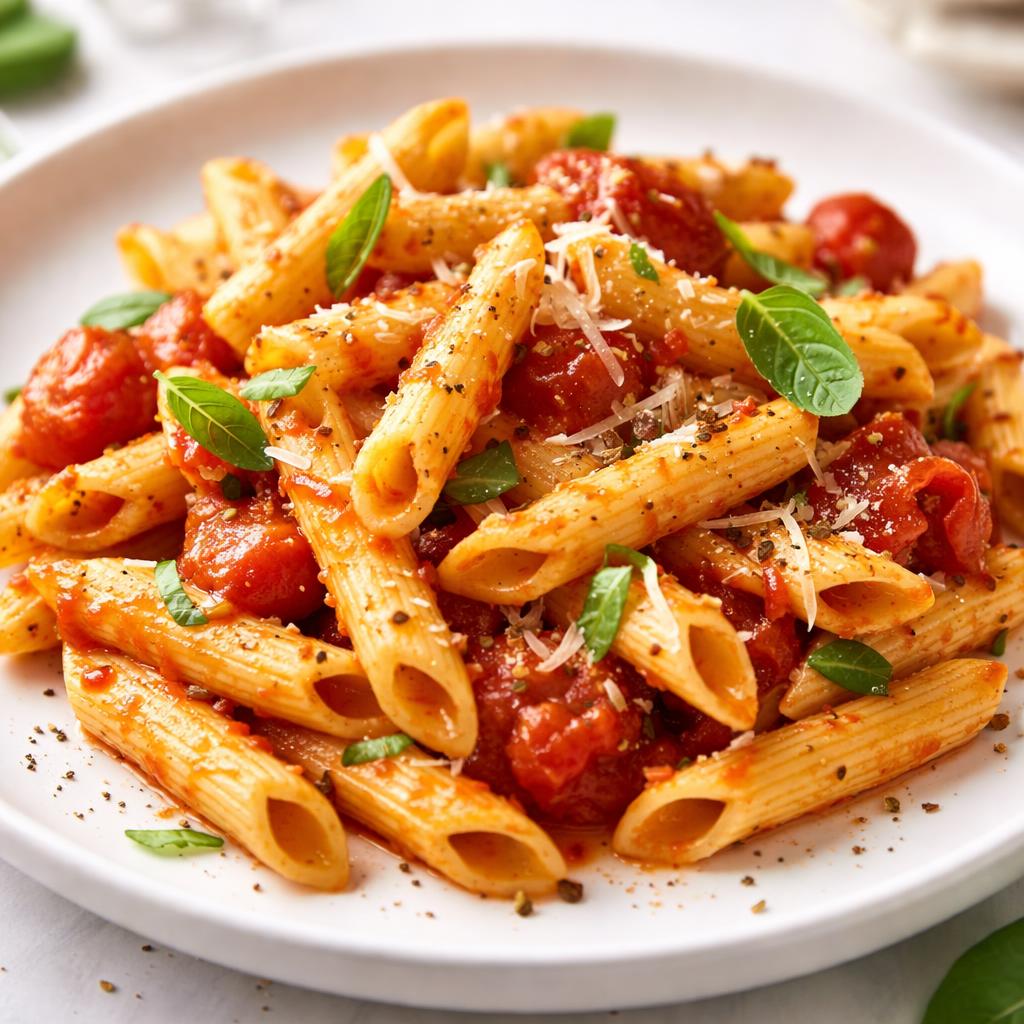
Penne Pasta
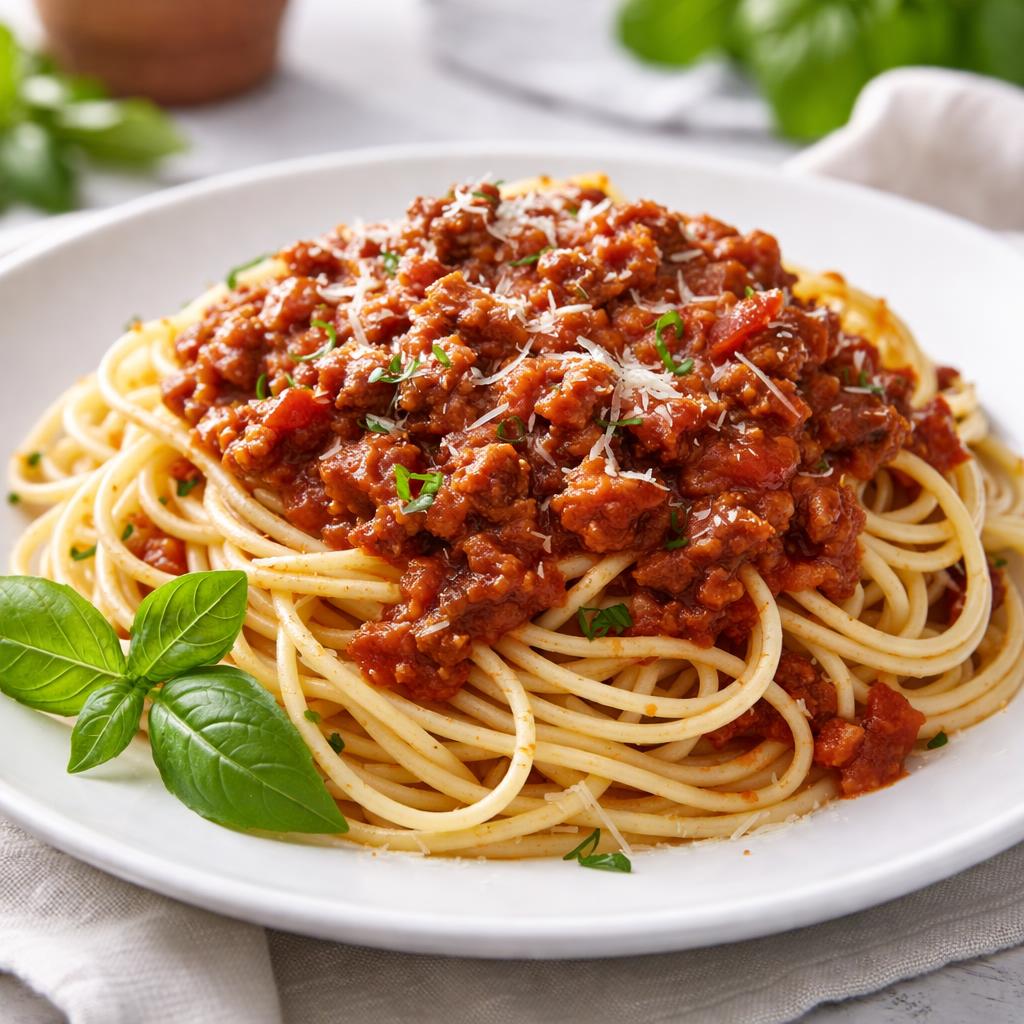
Pasta Sauce
🎯 Quick Verdict
Penne pasta is higher in protein and fiber per serving compared to pasta sauce, making it better for satiety and energy sustenance. Pasta sauce, on the other hand, is lower in calories and rich in vitamins, particularly Vitamin C, and is often used as a flavorful, nutrient-dense complement to carbohydrate-rich dishes like pasta.

Smart Nutrition Tracking with SnapCalorie

📊 Nutritional Comparison
Macronutrients
| Nutrient | Food 1 | Food 2 | Winner |
|---|---|---|---|
| Calories | 200 calories (per 100g, cooked) | 70 calories (per 100g) | ✓ |
| Protein | 7g | 1g | ✓ |
| Carbs | 42g | 15g | ✓ |
| Fat | 1g | 3g | ✓ |
| Fiber | 2.5g | 1g | ✓ |
Vitamins & Minerals
| Nutrient | Food 1 | Food 2 | Winner |
|---|---|---|---|
| Vitamin C | 0mg | 12mg | ✓ |
| Vitamin A | 0IU | 800IU | ✓ |
| Potassium | 40mg | 400mg | ✓ |
🏆 Category Winners
Protein
Penne pasta provides 7g of protein compared to 1g in pasta sauce.
Fiber
Penne pasta contains 2.5g of fiber, more than double the amount in pasta sauce.
Calories
Pasta sauce has only 70 calories per 100g, far fewer than penne pasta’s 200 calories.
Vitamins
Pasta sauce is richer in Vitamin C, Vitamin A, and potassium, making it nutritionally denser in terms of micronutrients.
🥗 Diet Compatibility
Keto
Food 1: Not Compatible
Food 2: Partially Compatible
Pasta sauce is relatively low in carbs (15g per 100g) but penne pasta is high in carbs (42g per 100g).
Vegan
Food 1: Compatible
Food 2: Compatible
Both food items are plant-based and suitable for vegans.
Gluten Free
Food 1: Not Compatible unless gluten-free pasta is used
Food 2: Compatible
Pasta sauce is gluten-free, while traditional penne pasta contains gluten.
Paleo
Food 1: Not Compatible
Food 2: Compatible depending on recipe
Pasta is made from wheat, which is excluded in paleo diets, while pasta sauce can be paleo-friendly if it excludes sugar and additives.
Low-Carb
Food 1: Not Compatible
Food 2: Partially Compatible
Pasta sauce is lower in carbs, but penne pasta is a carb-dense food.
💪 Health Benefits Comparison
Food 1 Benefits
- Provides energy due to its complex carbohydrate content
- Contains fiber for improved digestion
- A source of plant-based protein for muscle repair
Food 2 Benefits
- Rich in Vitamin C for immune support
- Contains Vitamin A for good vision and skin health
- Provides potassium for healthy blood pressure regulation
✅ The Bottom Line
Penne pasta is a more filling food with higher protein and fiber, making it better for meals requiring satiety and energy. Pasta sauce is lower in calories and higher in vitamins, serving as a nutrient-dense accompaniment for pasta dishes or as a topping for other foods. Use pasta for carbohydrate-rich meals and sauce for added flavor and micronutrient support.
Choose Food 1 for: Carb-loading before workouts, balanced meals requiring satiety, plant-based protein intake
Choose Food 2 for: Low-calorie diets, flavor-enhancing nutrient boosts, pairing with pasta or vegetables


