Pasta With Tomato Sauce VS Seafood Pasta
A detailed nutritional comparison
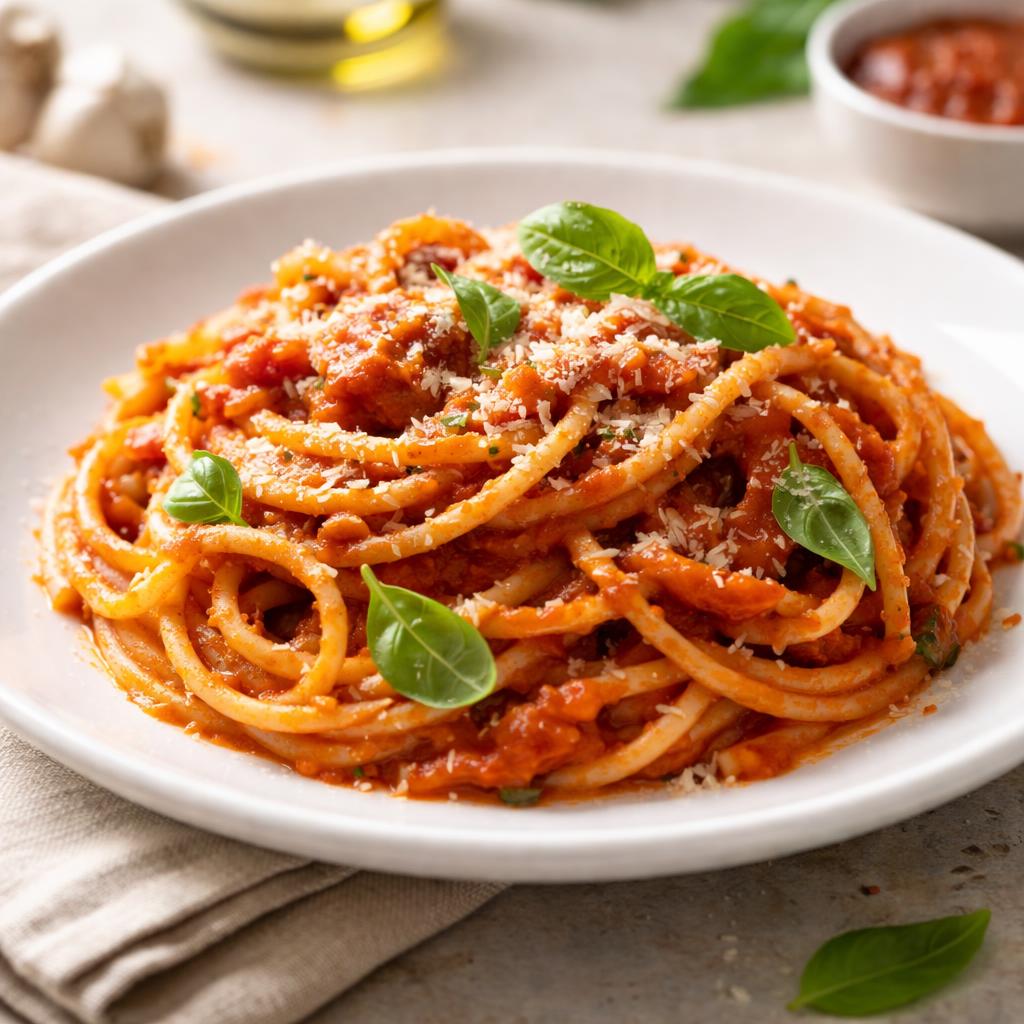
Pasta With Tomato Sauce
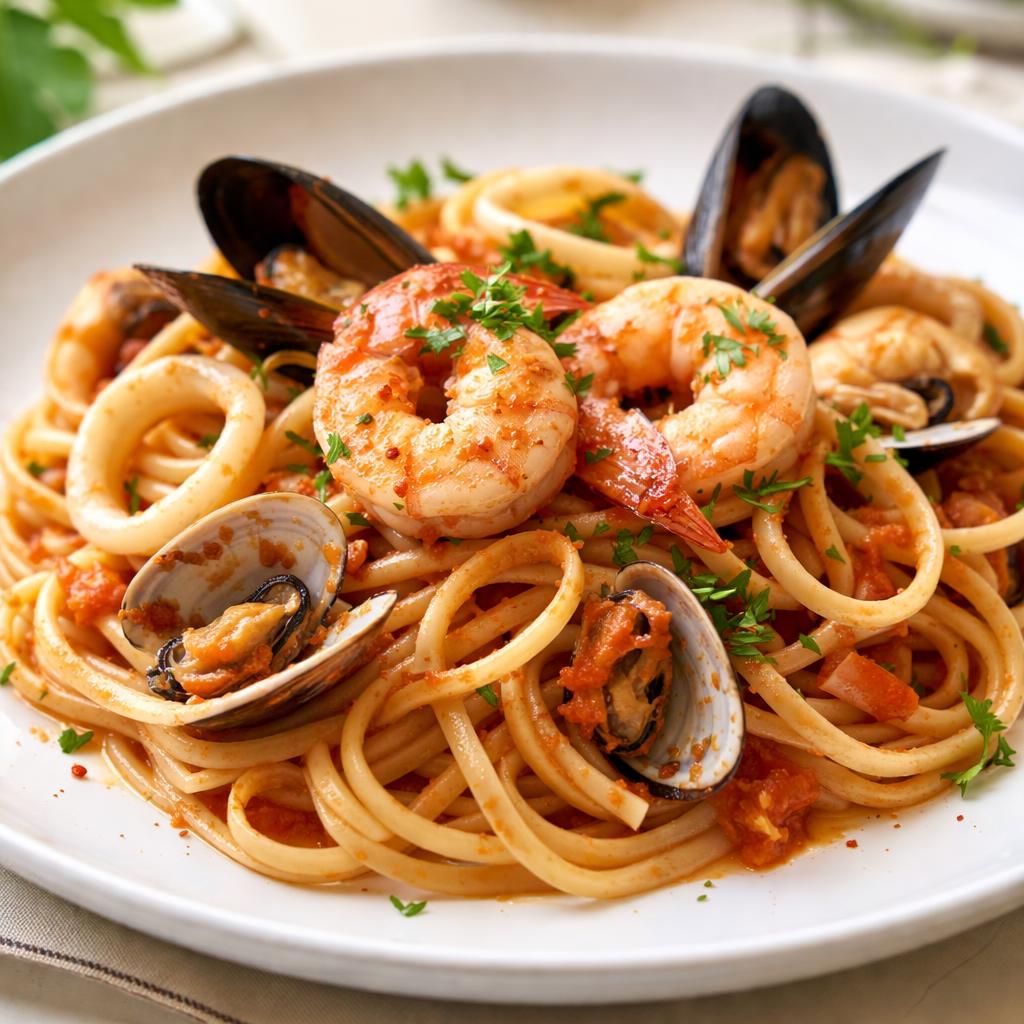
Seafood Pasta
🎯 Quick Verdict
Seafood pasta is significantly higher in protein due to the inclusion of seafood, making it ideal for muscle-building and recovery. Pasta with tomato sauce is lower in calories and richer in fiber, which supports digestion and weight management. Both options provide unique nutrients depending on dietary priorities and preferences.

Smart Nutrition Tracking with SnapCalorie

📊 Nutritional Comparison
Macronutrients
| Nutrient | Food 1 | Food 2 | Winner |
|---|---|---|---|
| Calories | 250 | 350 | ✓ |
| Protein | 6g | 18g | ✓ |
| Carbs | 45g | 40g | ✓ |
| Fat | 3g | 10g | ✓ |
| Fiber | 4g | 2g | ✓ |
Vitamins & Minerals
| Nutrient | Food 1 | Food 2 | Winner |
|---|---|---|---|
| Vitamin D | 0mcg | 5mcg | ✓ |
| Calcium | 30mg | 80mg | ✓ |
| Iron | 2mg | 3mg | ✓ |
| Vitamin C | 8mg | 2mg | ✓ |
🏆 Category Winners
Protein
Food2 has 3x the protein content due to seafood.
Fiber
Food1 contains double the fiber from the pasta and tomato sauce.
Calories
Food1 has 100 fewer calories per serving, suitable for calorie-conscious diets.
Vitamins
Food2 is higher in Vitamin D, calcium, and iron, thanks to seafood.
🥗 Diet Compatibility
Keto
Food 1: Not Compatible
Food 2: Not Compatible
Both are high-carb due to pasta.
Vegan
Food 1: Compatible
Food 2: Not Compatible
Food1 is plant-based, whereas food2 contains seafood.
Gluten Free
Food 1: Not Compatible
Food 2: Not Compatible
Both contain traditional wheat pasta.
Paleo
Food 1: Not Compatible
Food 2: Not Compatible
Neither adheres to paleo due to pasta.
Low Carb
Food 1: Not Compatible
Food 2: Not Compatible
Both foods have high carbohydrate content.
💪 Health Benefits Comparison
Food 1 Benefits
- Provides fiber for healthy digestion
- Low in calories, ideal for weight management
- Rich in vitamin C for immune support
Food 2 Benefits
- High in protein for muscle growth and repair
- Contains Vitamin D for bone health
- Provides omega-3 fatty acids from seafood for heart health
✅ The Bottom Line
Choose pasta with tomato sauce if you prioritize fewer calories, higher fiber, and a lighter, plant-based meal. Opt for seafood pasta for a protein-packed dish with heart-healthy omega-3s and essential vitamins like D and calcium. Each is suitable for different dietary goals.
Choose Food 1 for: Weight management, vegan diets, digestion support
Choose Food 2 for: High-protein diets, muscle-building, heart health


